Table of Contents Show
That relentless itching, the feeling of tightness, and those annoying white flakes that dust your shoulders—a dry scalp can make you feel uncomfortable and self-conscious in your own skin.
You might even mistake it for dandruff and use the wrong products, which can sometimes make it feel worse. Unlike dandruff (which is often oily and caused by yeast), a dry scalp is simply what it sounds like: your scalp is thirsty, irritated, and lacking moisture.
The skin there is just as prone to dryness as the skin on your face or hands. The good news? With a gentle, hydrating approach, you can soothe the itch, eliminate the flakes, and get your scalp feeling balanced and healthy again.

Why Is My Scalp So Dry?
A few everyday things can strip moisture from your scalp:
- Harsh Hair Products: Shampoos with strong sulfates (SLS/SLES) can cleanse too aggressively, stripping away your scalp’s natural oils.
- Hot Water: Long, steaming hot showers feel great but wreak havoc on your skin and scalp, washing away protective oils.
- Weather and Environment: Cold, dry winter air and heated indoor spaces suck moisture right out. Dry climates do the same.
- Over-Washing: Washing your hair too frequently doesn’t give your scalp’s natural oils a chance to do their moisturizing job.
- Skin Conditions: Conditions like eczema or psoriasis can affect your scalp, causing severe dryness and flaking.
Your Effective, Soothing Scalp Care Routine
This plan is all about moisture, gentle handling, and protection.
Step 1: Wash with a Hydrating, Gentle Shampoo
Change what you use to clean your scalp.
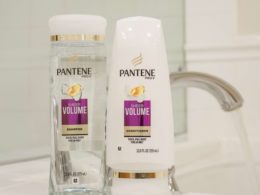
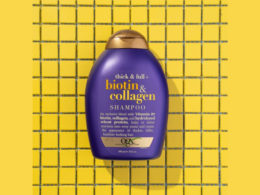
- Switch to a Sulfate-Free, Moisturizing Shampoo: Look for keywords like “hydrating,” “moisture-rich,” or “for dry scalp.” Ingredients like aloe vera, glycerin, hyaluronic acid, and natural oils (like argan or coconut) are good signs.
- Wash in Lukewarm Water: Turn down the temperature. Lukewarm water is just as effective and far less drying.
- Wash Less Often: Try to extend the time between washes. This allows your scalp’s natural oils to hydrate the skin. Use dry shampoo to help you stretch the days.
Step 2: Treat and Soothe with Targeted Treatments
Give your scalp some direct relief.
- Pre-Shampoo Oil Treatment (The Best Remedy): 30-60 minutes before you wash, massage a pure, lightweight oil into your dry scalp. Jojoba oil (most similar to our skin’s oil), coconut oil, or argan oil work wonderfully. This gives deep hydration and loosens flakes.
- Use a Soothing Scalp Serum or Tonic: After washing, while your scalp is damp, apply a product designed to hydrate and calm. Look for ones with peppermint oil (for a cooling feel), squalane, or tea tree oil (mild, antiseptic).
- Exfoliate Gently, Once a Week: To remove flaky buildup, use a scalp scrub with fine sugar or jojoba beads, or a chemical exfoliant with salicylic acid. Be very gentle—don’t scrub hard.

Step 3: Condition Strategically & Rinse Well
- Condition Your Hair, Not Your Scalp: Apply conditioner mainly to the mid-lengths and ends of your hair. If you have very dry scalp, you can avoid the roots altogether to prevent any clogging.
- Rinse Thoroughly: Any leftover product residue can irritate and dry out your scalp.
What to Avoid Making It Worse
- Stop Scratching: It’s tempting, but scratching damages the skin, worsens irritation, and creates a cycle of more itching and flaking.
- Limit Heat Styling: Blow dryers, especially on high heat close to the scalp, are very drying. Use the cool setting and hold the dryer at least 6 inches away.
- Check Your Styling Products: Alcohol-based gels, sprays, and dry shampoos can be extremely drying. Look for alcohol-free versions.
- Stay Hydrated: Drink plenty of water. Dehydration shows up in your skin—including your scalp.
When to See a Dermatologist
If your dry scalp is severe, doesn’t improve after 2-3 weeks of gentle care, or is accompanied by:
- Thick, crusty, or yellow flakes
- Extreme redness, sores, or weeping
- Hair loss
It’s time to see a doctor. You may have seborrheic dermatitis, psoriasis, or another condition that needs a prescription-strength shampoo or topical treatment.
The Bottom Line
Effectively getting rid of dry scalp means changing from a stripping routine to a hydrating one. Be kind to your scalp. Treat it like you would treat dry skin on your face: cleanse gently, moisturize deeply (with pre-shampoo oils!), protect it from harsh heat and chemicals, and give it time to heal.
Ditch the hot water and harsh shampoos, and welcome in the oils and hydrators. A calm, flake-free, comfortable scalp is not only possible—it’s well within your reach.