




Table of Contents Show
Cooler fall air, indoor heating, wind, and long hot showers can leave skin feeling drier or more sensitive than it did during summer. The right response is not necessarily a larger skincare collection.
Dermatologists often recommend returning to the basics: gentle cleansing, regular moisturizing, sun protection, and careful use of active ingredients.
These fall skincare tips will help you adjust your routine without overwhelming your skin or buying products you do not need.
1. Replace Harsh Cleansers With a Gentle Formula
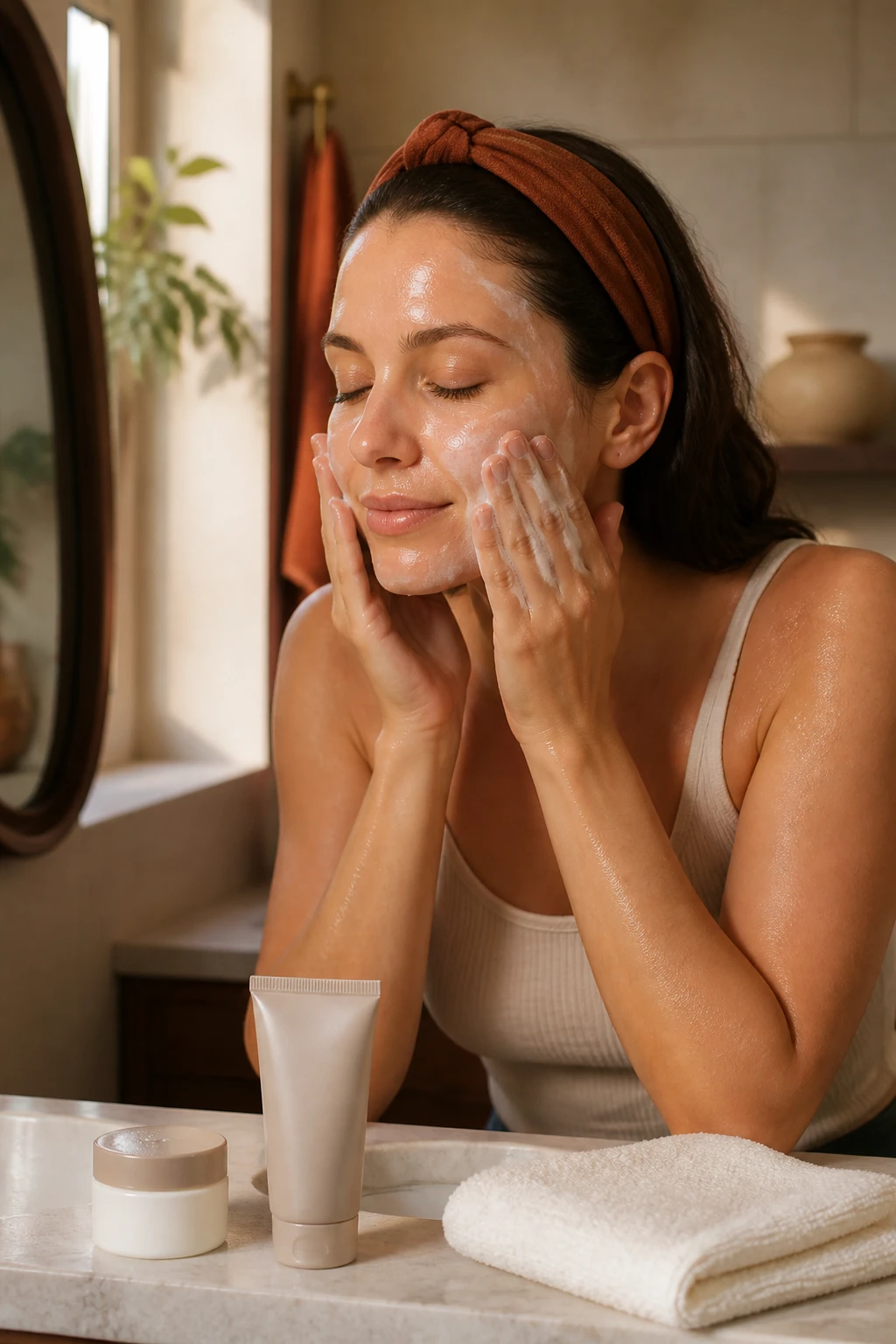
A cleanser should remove dirt, makeup, sunscreen, and excess oil without leaving your face feeling painfully tight. If your normal cleanser begins to sting or make your skin feel dry during fall, consider switching to a milder formula.
Wash with lukewarm water and use your fingertips rather than rough cloths or cleansing brushes. Scrubbing does not make your face cleaner and may increase irritation.
The American Academy of Dermatology recommends using a gentle, non-abrasive cleanser, avoiding alcohol when it irritates the skin, and limiting face washing to twice daily and after heavy sweating.
2. Apply Moisturizer While Your Skin Is Damp

Do not wait until your face or body is completely dry before moisturizing. Applying cream while the skin is still slightly damp helps trap some of that water against the skin.
After cleansing or bathing, gently pat away excess water without rubbing the skin completely dry. Apply your moisturizer within a few minutes, paying extra attention to areas that already feel tight or rough.
Dermatologists recommend applying moisturizer shortly after bathing and whenever skin feels dry. Creams and ointments generally hold moisture better than thin lotions when dryness becomes more noticeable.
3. Choose Creams and Ointments for Very Dry Areas
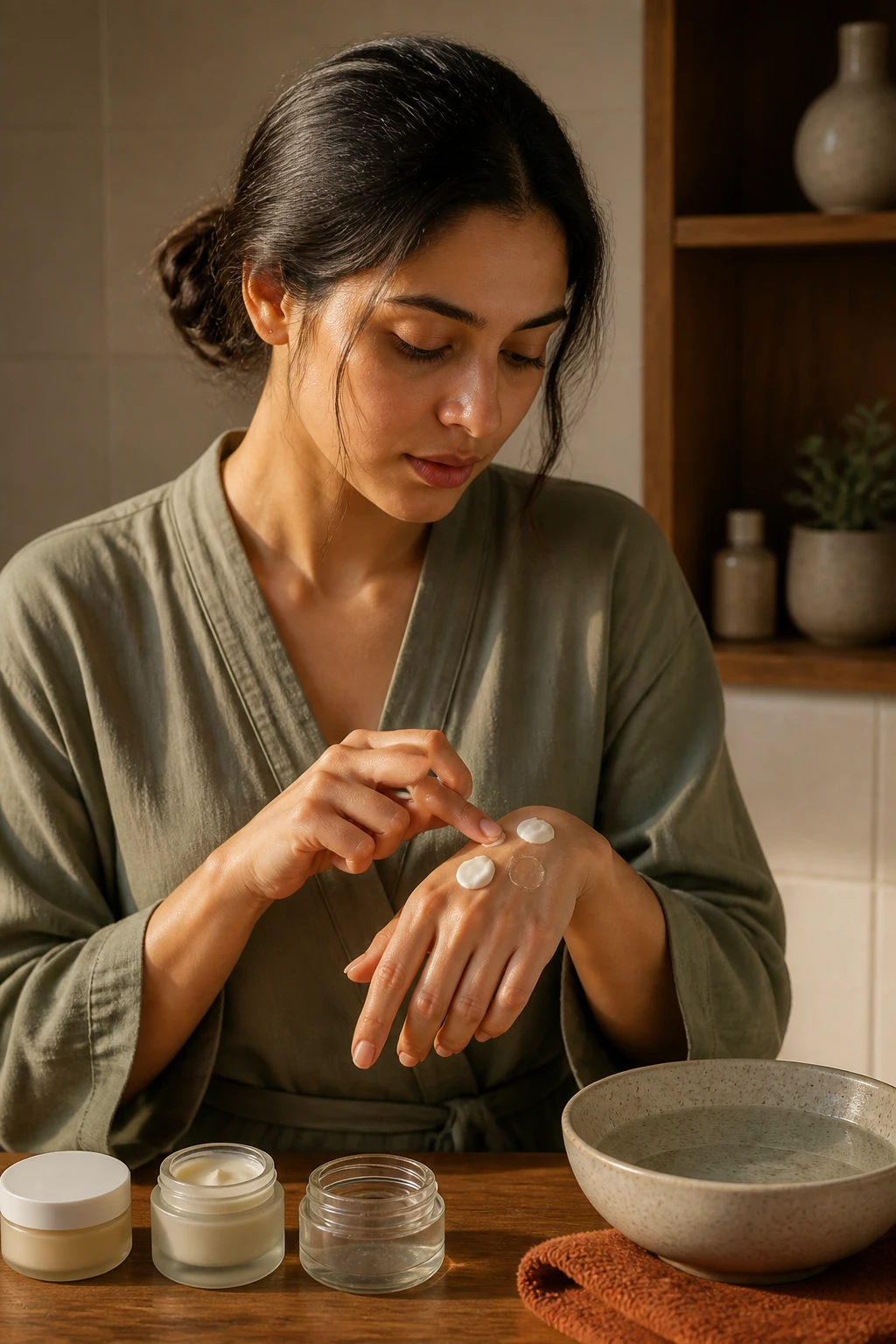
Your entire face and body may not need the same texture. A lightweight moisturizer may still work well on oilier areas, while the hands, elbows, knees, heels, or flaky patches may benefit from a richer product.
Creams contain more oil than many lotions, while ointments create a stronger seal over dry skin. Apply the richer texture only where it is needed if covering your entire body feels uncomfortable.
Dermatologists frequently recommend creams or ointments instead of lotions for very dry skin. Petroleum jelly can also protect small dry areas, including chapped lips, when it does not irritate your skin.
4. Keep Wearing Broad-Spectrum Sunscreen
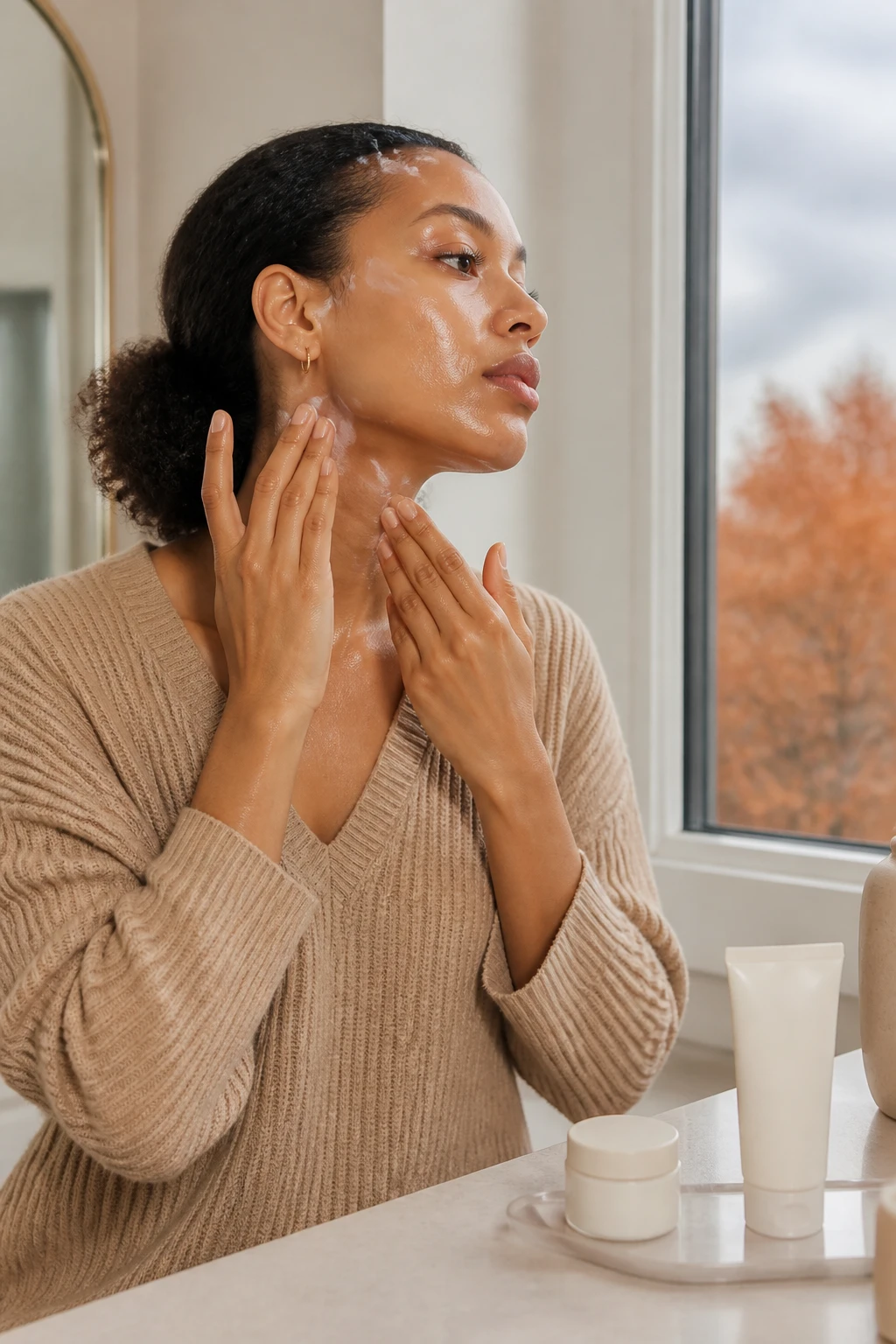
The temperature may drop during fall, but that does not mean sunscreen should disappear from your morning routine. Apply it after your other skincare products and before makeup.
Choose a broad-spectrum, water-resistant sunscreen with SPF 30 or higher. Cover your face, ears, neck, and other exposed skin, including your hands when they will remain uncovered.
Dermatologists recommend daily broad-spectrum SPF 30 or higher along with shade and protective clothing. Reapplication is especially important when you remain outdoors for extended periods or after sweating.
5. Reduce Exfoliation When Your Skin Feels Irritated
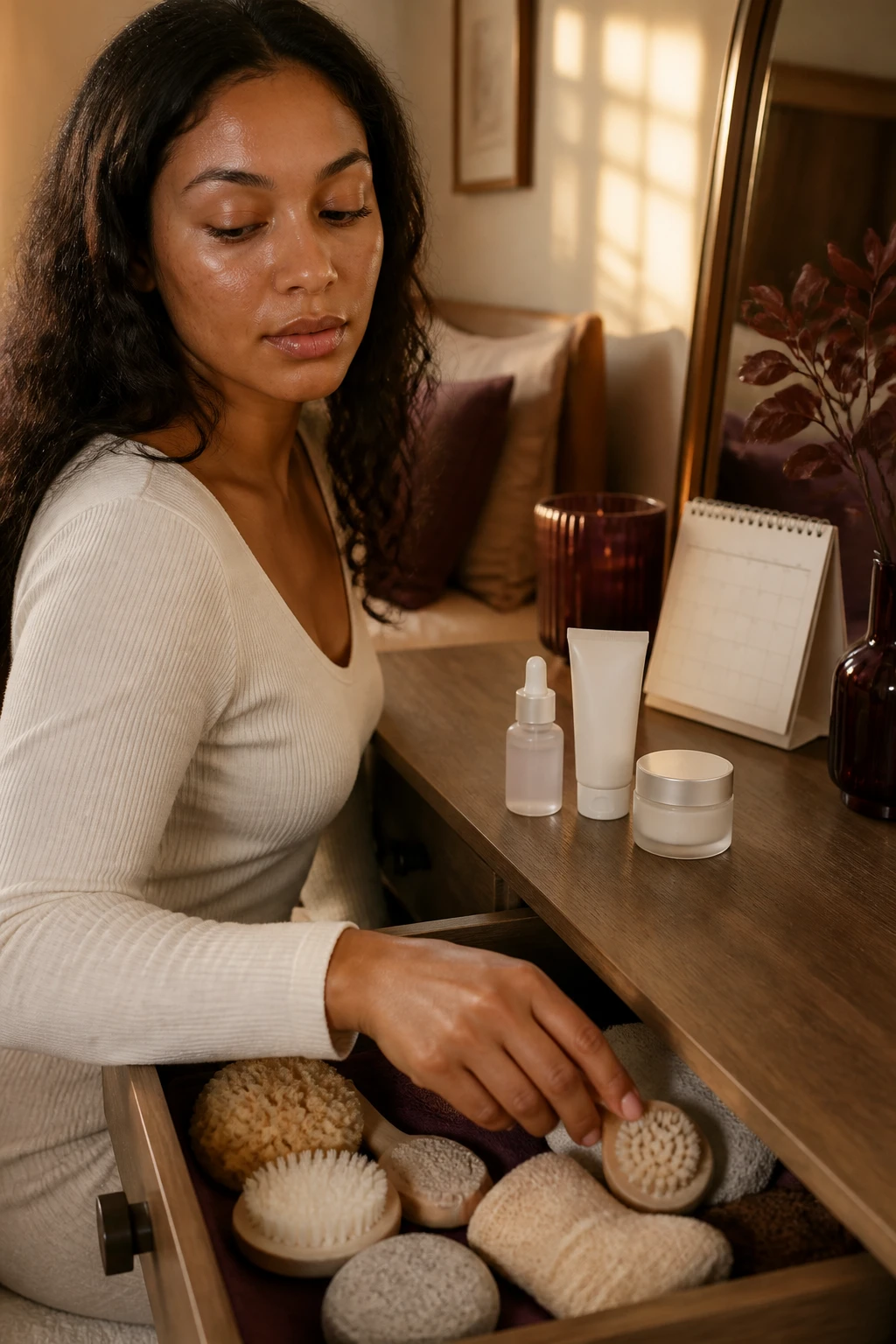
A fall skincare routine does not need daily scrubbing. When skin starts to sting, peel, feel unusually tight, or become red, frequent exfoliation may make the problem worse.
Choose one exfoliation method rather than stacking a scrub, cleansing brush, acid toner, peel, and retinoid. Begin slowly and avoid exfoliating broken, sunburned, or already irritated skin.
The AAD advises selecting an exfoliation method based on your skin type and current treatments. Products such as retinol and glycolic acid can cause irritation, especially when introduced too aggressively or used on sensitive skin.
6. Introduce Retinoids Slowly
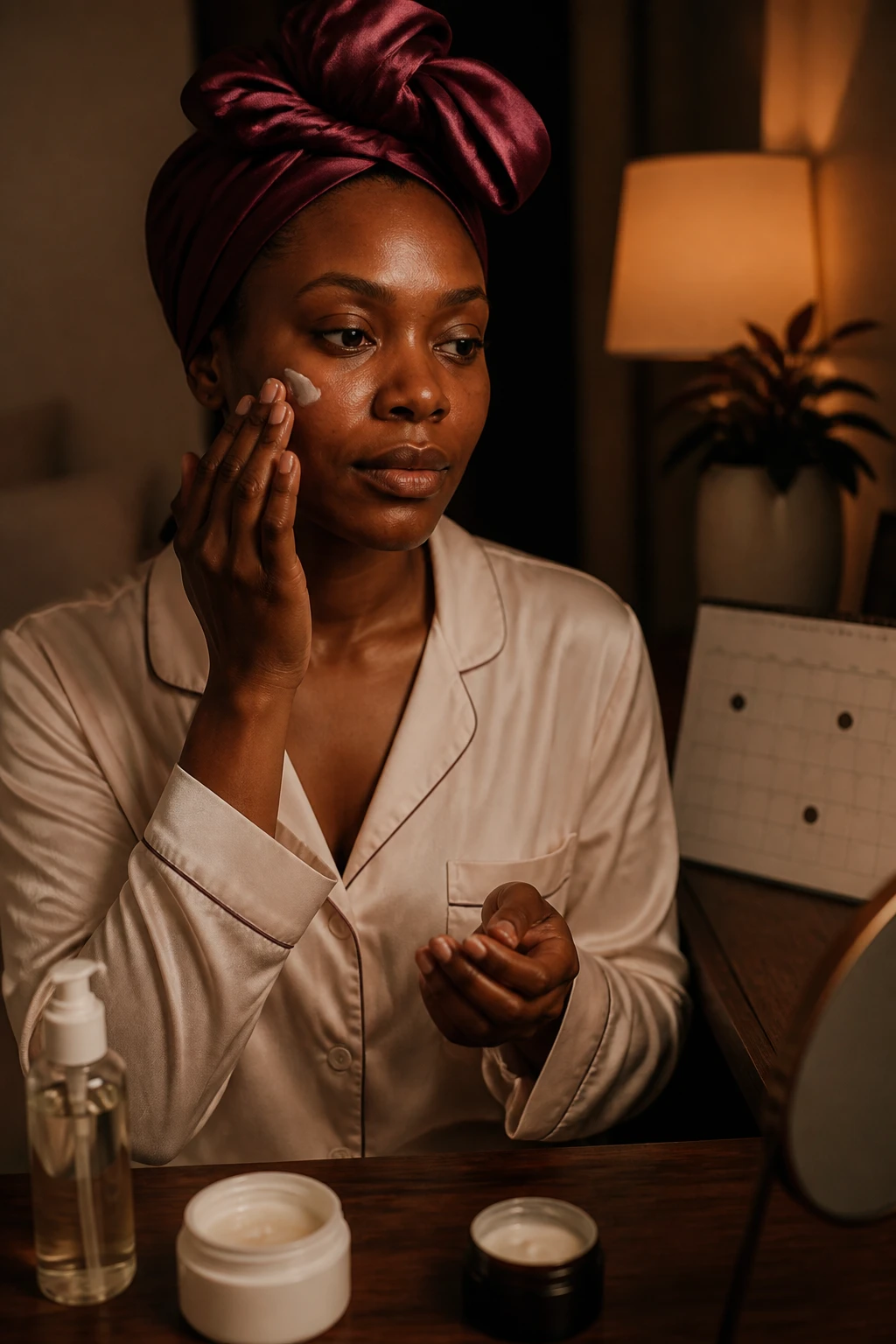
Retinoids may help with concerns such as mild acne, uneven pigmentation, and fine lines, but they can also cause dryness, flaking, and irritation.
Begin with a low-strength option when appropriate and use it less frequently at first. Applying more product will not produce faster, safer results. Moisturizer can help make the routine more comfortable.
Board-certified dermatologists advise beginning with the least intense suitable formula and slowly increasing use as the skin adjusts. People with significant sensitivity, inflammation, or pregnancy-related concerns should ask a qualified healthcare professional before using a retinoid.
7. Choose Fragrance-Free Products for Sensitive Skin
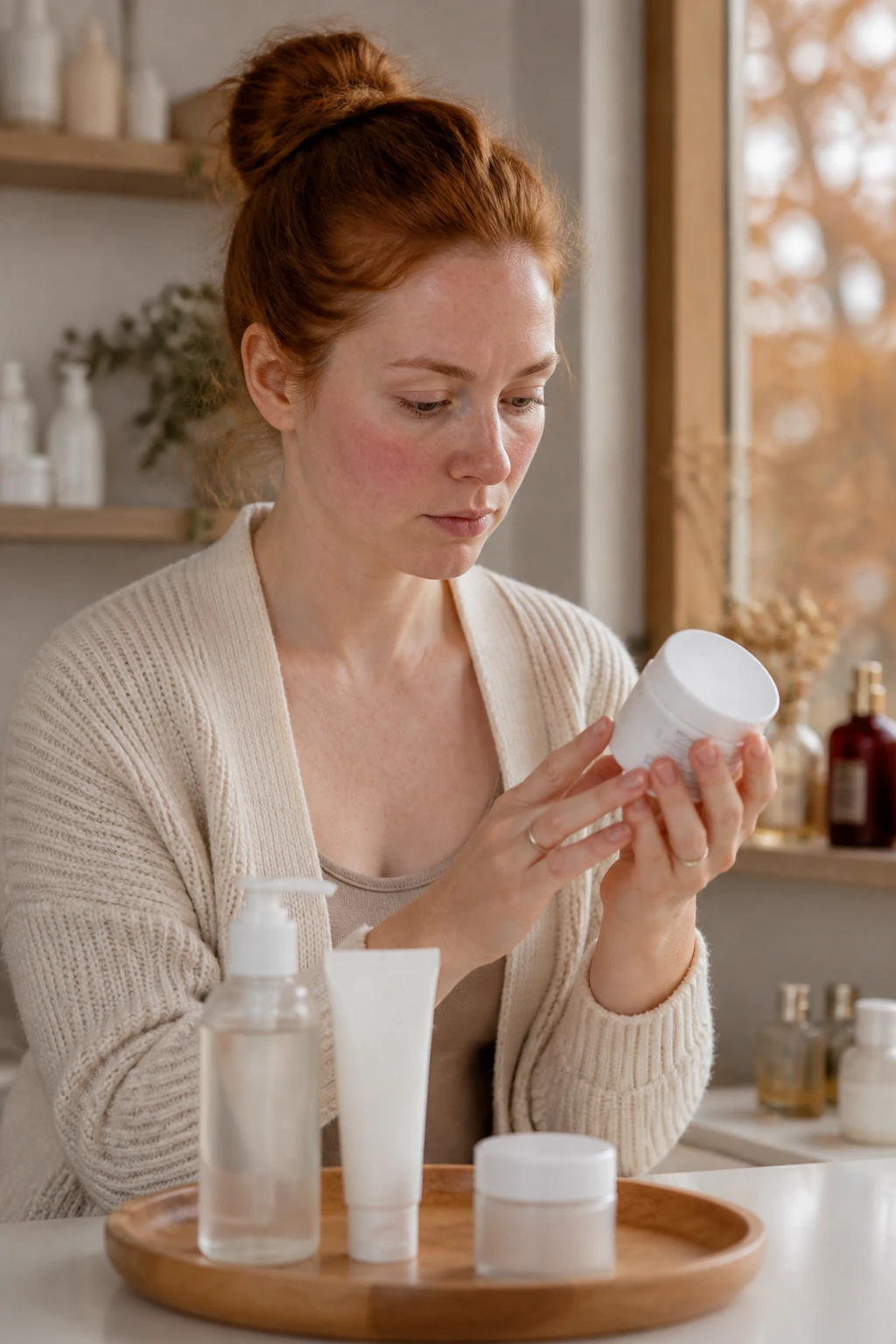
Strong fragrance can make a product feel luxurious, but it may not be comfortable for easily irritated skin. Consider fragrance-free options when your face or body frequently becomes itchy, red, or uncomfortable.
Remember that “unscented” and “fragrance-free” do not always mean the same thing. An unscented product may contain ingredients that mask another smell.
Dermatologists often recommend fragrance-free cleansers, creams, and ointments for dry or sensitive skin. They also warn that deodorant soaps, antibacterial cleansers, and fragranced products may worsen dryness or irritation for some people.
8. Take Shorter, Warm Showers Instead of Hot Ones
A long hot shower can feel comforting when the weather cools, but it may leave already dry skin feeling tighter.
Use warm rather than hot water and keep showers brief when dryness is a concern. Wash gently with your hands or a soft cloth instead of scrubbing your entire body every day.
Dermatologists recommend short baths or showers, typically around five to ten minutes, followed by moisturizer while the skin is still damp. Mild cleansers are usually preferable to harsh deodorant or antibacterial soaps for dry skin.
9. Protect Your Lips Before They Become Severely Chapped
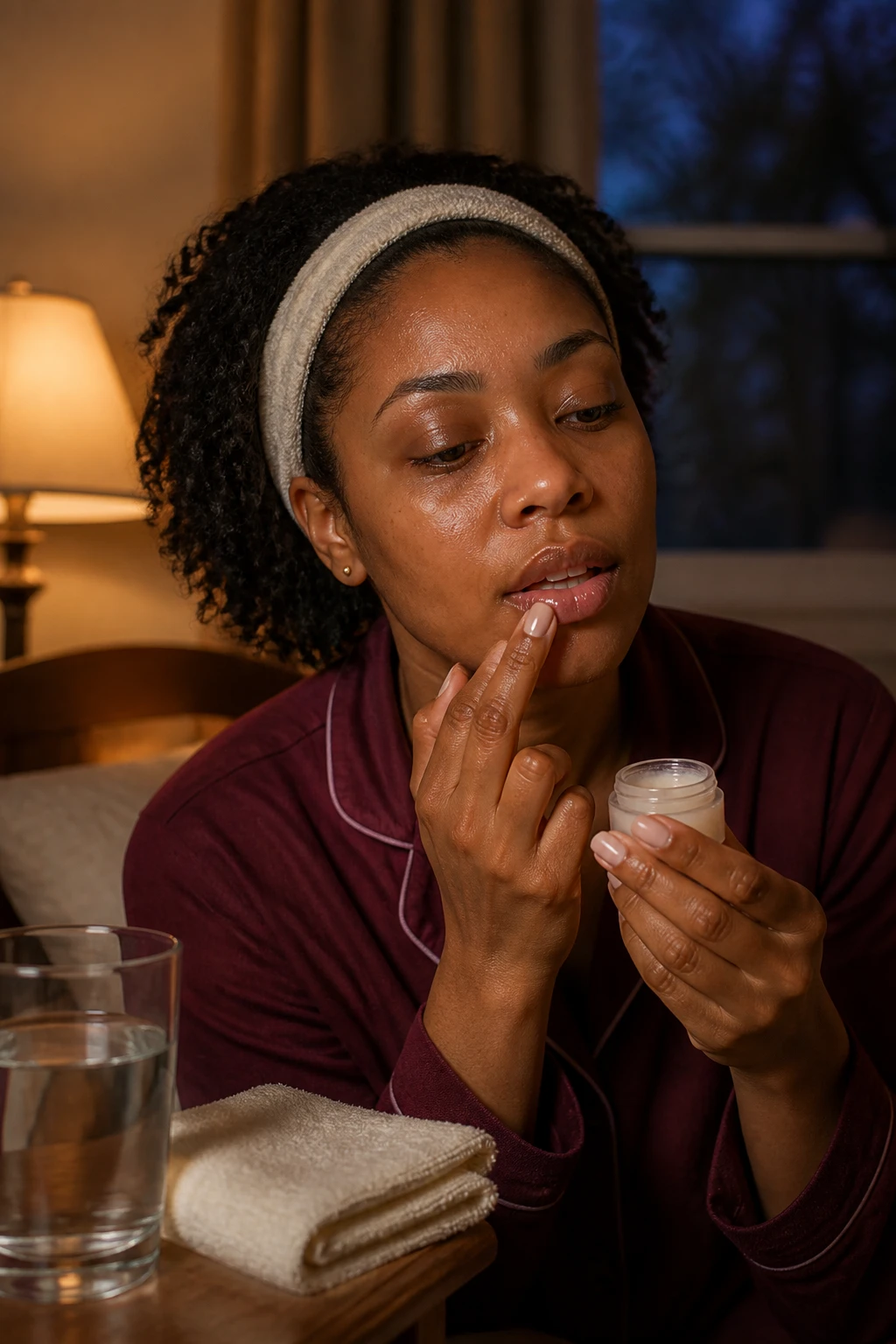
Apply lip balm regularly instead of waiting until your lips are cracked and painful. Keep one beside your bed and another in the bag or coat you use most often.
Choose a non-irritating balm or ointment. Stop using products that make your lips burn, sting, or feel more uncomfortable. Avoid licking or peeling dry skin, since both habits can delay improvement.
Dermatologists recommend applying lip balm several times a day and before bed. A thick ointment such as petroleum jelly may seal in moisture longer than thinner waxes or oils when lips are very dry.
10. Moisturize Your Hands After Washing

Hands are repeatedly exposed to soap, water, cleaning products, wind, and cold air. Keep hand cream beside your sink so moisturizing becomes part of washing rather than a separate task you need to remember.
Pat your hands dry and apply cream while they still feel slightly damp. Massage it around the knuckles, fingertips, cuticles, and between the fingers.
Dermatologists recommend applying a fragrance-free cream or ointment after washing and throughout the day whenever hands feel dry. Thicker products generally protect cracked or very dry skin better than thin lotions.
11. Patch-Test New Fall Skincare Products

Fall beauty launches can make it tempting to change several products at once. Introducing one product at a time makes it easier to tell what caused irritation.
Test a small amount on a limited area before using it widely. Follow the product instructions and stop when you notice swelling, severe itching, blistering, or another concerning reaction.
The AAD recommends testing skincare products before adding them to your routine, particularly when your skin is sensitive or the formula contains potentially irritating ingredients such as retinol or glycolic acid.
12. See a Dermatologist When Dryness Does Not Improve

Seasonal dryness should usually improve with gentler washing, regular moisturizing, and fewer irritating products. It should not be ignored when it becomes painful or continues to worsen.
Arrange a professional assessment when your skin repeatedly cracks or bleeds, develops a spreading rash, becomes swollen, or remains intensely itchy. Seek care when a product reaction is severe or your routine is no longer controlling an existing skin condition.
The AAD warns that excessively dry skin can worsen and increase the risk of irritation or infection. A board-certified dermatologist can identify whether the problem is simple dryness or a condition that needs medical treatment.
Keep Your Fall Skincare Routine Focused
A dermatologist-supported fall routine does not need to include ten serums and a different mask every night. Begin with a gentle cleanser, a moisturizer suited to your skin, and broad-spectrum sunscreen.
Adjust exfoliants, retinoids, and acne treatments when your skin becomes dry or irritated, preferably with professional guidance when they are prescribed. Give each change enough time before adding something else.
General skincare advice cannot replace personal medical care. Skin type, allergies, medication, pregnancy, existing conditions, and local climate can all affect which routine is appropriate for you.