



Table of Contents Show
Fall can be hard on your skin. Cooler air, wind, indoor heating, and longer hot showers may leave your face and body feeling tighter, rougher, or more sensitive than usual. The answer is not always adding more products.
A healthier fall skincare routine often means cleansing more gently, moisturizing at the right time, protecting your skin from the sun, and reducing anything that causes irritation.
These routines will help you care for dry, oily, sensitive, and acne-prone skin without making your daily routine feel complicated.
1. Begin With a Gentle Morning Cleanse
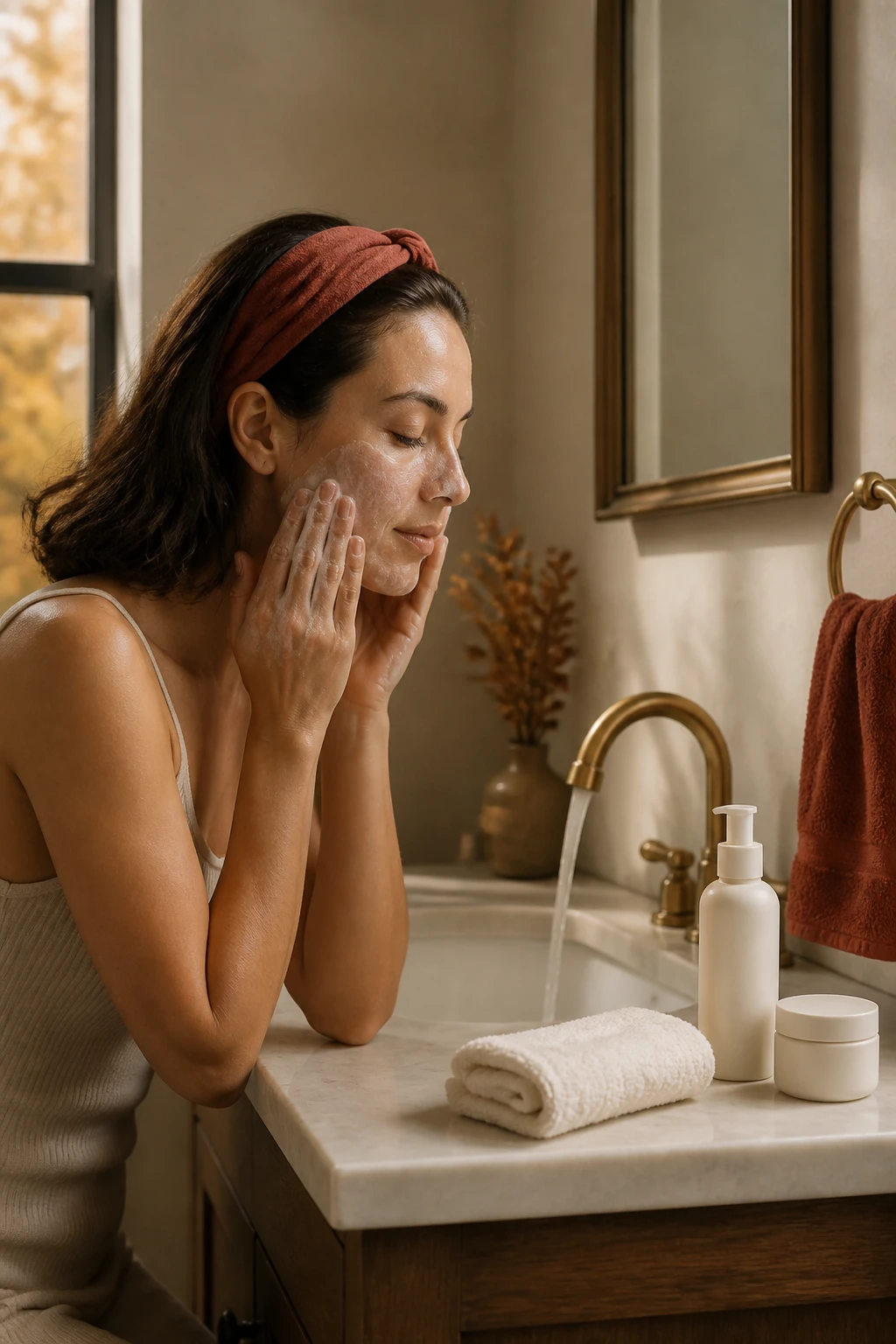
Your skin should feel clean after washing, but it should not feel painfully tight or dry. Harsh soap, rough scrubbing, and very hot water can irritate the skin, especially when the weather is already dry.
Wet your face with lukewarm water and use your fingertips to apply a gentle cleanser. Massage it lightly across the skin rather than using a rough cloth, cleansing brush, or grainy scrub. Rinse well and pat your face dry with a clean, soft towel. The American Academy of Dermatology advises using lukewarm water, avoiding scrubbing, and applying moisturizer when the skin feels dry or itchy.
When your skin is very dry or sensitive, you may not need a full cleanse every morning. A light rinse may be enough, depending on your skin type and any treatment plan given by your dermatologist.
2. Apply Hydration While Your Skin Is Slightly Damp
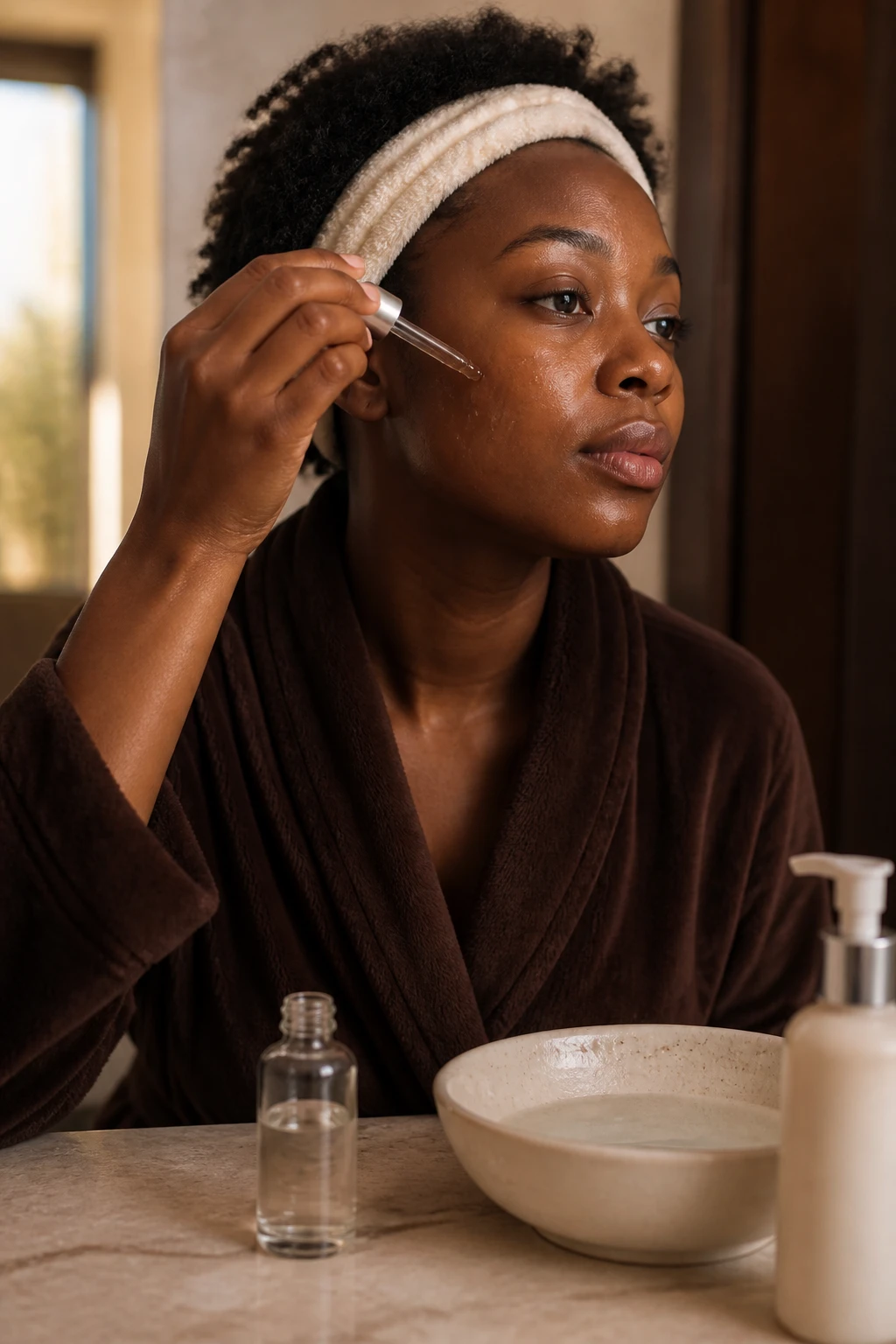
Do not wait until your face is completely dry before applying your next product. Placing a simple hydrating serum, lotion, or moisturizer onto slightly damp skin can help make your routine feel more comfortable during cooler weather.
After cleansing, gently pat away dripping water but leave a little moisture behind. Apply your hydrating product in a thin, even layer, then follow with moisturizer before your skin dries fully.
You do not need several essences and serums to complete this step. A straightforward routine built around cleansing, moisturizing, and protecting the skin can be effective, affordable, and less likely to cause unnecessary irritation.
3. Switch to a More Supportive Fall Moisturizer

A moisturizer that worked well during warm, humid weather may feel too light once fall begins. You do not necessarily need the thickest cream available, but you may need a formula that leaves your skin comfortable for longer.
Dry skin often benefits from a cream or ointment, while oily or acne-prone skin may prefer a lighter lotion or gel-cream labeled non-comedogenic. Apply enough to cover your face and neck without leaving a heavy layer that feels uncomfortable.
If your skin is easily irritated, consider a fragrance-free product with a short ingredient list. Added fragrance may cause irritation or allergic reactions in sensitive skin, while regular moisturizing can help relieve dryness and itching.
4. Keep Sunscreen in Your Fall Morning Routine

Cool weather does not mean ultraviolet exposure has disappeared. Sunscreen should remain the last skincare step in your morning routine, even when the day looks cloudy or you are wearing fall clothing.
Choose a broad-spectrum, water-resistant sunscreen with SPF 30 or higher. Apply it to your face, neck, ears, and any other skin that will not be covered by clothing. The AAD recommends this level of protection and notes that sunscreen should be reapplied about every two hours when you remain outdoors, as well as after sweating or swimming.
A moisturizing sunscreen may make your fall routine easier by combining hydration and protection. Tinted formulas containing iron oxide may also provide added visible-light protection for people concerned about dark spots.
5. Reduce Exfoliation When Your Skin Feels Sensitive

Exfoliation can make the skin feel smoother, but doing too much may lead to stinging, redness, dryness, or peeling. Your summer exfoliation schedule may become uncomfortable as the weather changes.
Pay attention to how your skin responds rather than following a strict trend. Reduce the frequency when your face feels tight, irritated, or unusually sensitive. Avoid combining a facial scrub, exfoliating acid, cleansing brush, and retinoid in the same routine.
The safest exfoliation method depends on your skin type and the products you already use. The AAD recommends choosing a method that suits your skin and being especially careful when using treatments that can increase sensitivity.
Follow exfoliation with moisturizer, and stop using the product if it repeatedly causes burning, swelling, or significant irritation.
6. Create a Careful Retinoid Night Routine
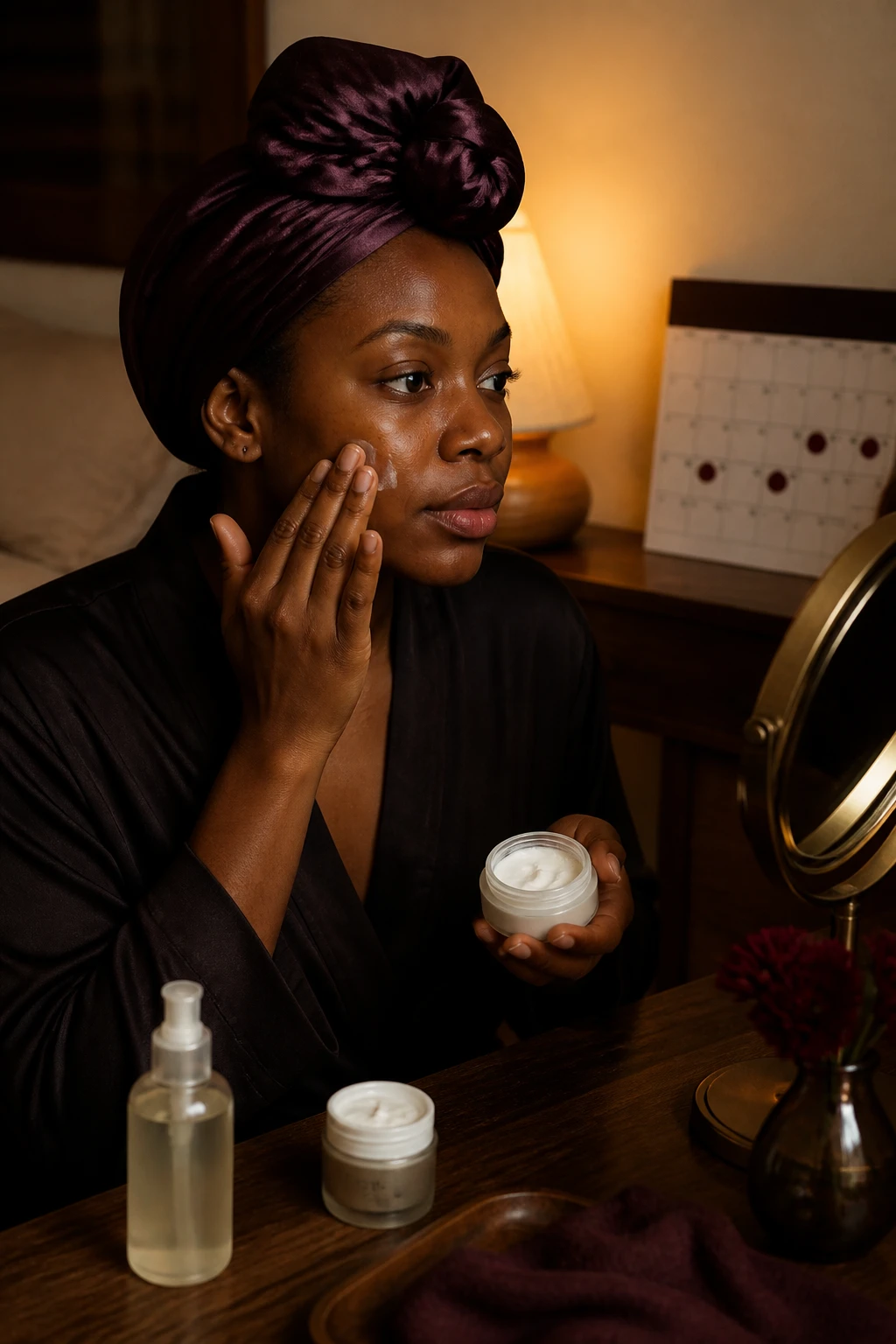
Retinoids can be useful for certain concerns, but they may also cause dryness and irritation. If you already use one, fall may be a good time to review how often you apply it instead of automatically increasing the strength.
Use only the amount directed on the label or by your dermatologist. Apply it at night and avoid adding extra product because you want faster results. When your skin becomes dry, you may need to use the treatment less often or apply moisturizer as part of the routine.
People with significant dryness, redness, inflammation, or certain skin conditions should speak with a dermatologist before using a retinoid. The AAD also advises avoiding retinoids during pregnancy and discussing safe alternatives with a healthcare professional.
Do not begin a retinoid, strong exfoliant, and several other active products during the same week. Introduce one change at a time so you can identify what your skin tolerates.
7. Follow a Nightly Lip-Repair Routine
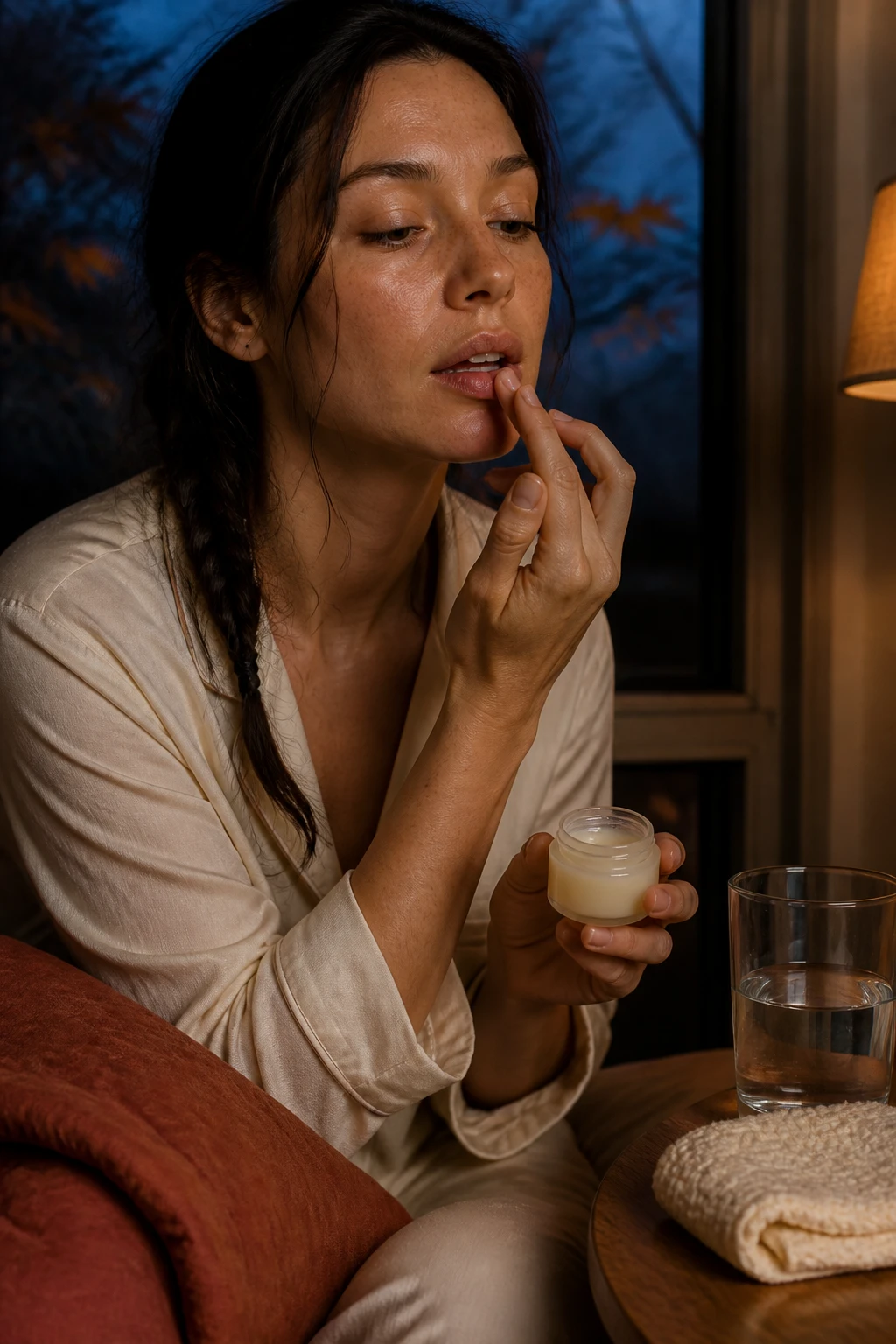
Dry, cracked lips are common once the weather becomes cooler. A nightly repair routine can help prevent the cycle of licking, peeling, and repeatedly irritating them.
Apply a non-irritating lip balm during the day and place a thicker layer on your lips before bed. When the lips are very dry, an ointment may seal in moisture longer than a thin waxy product. Stop using any lip product that causes burning, stinging, or discomfort.
Avoid pulling at peeling skin or scrubbing your lips aggressively with sugar, toothbrushes, or rough towels. When outdoors, use a lip balm with SPF 30 or higher to protect the lips as well as moisturize them.
8. Moisturize Your Hands After Every Wash

Hands are exposed to water, soap, wind, cleaning products, and frequent washing throughout the day. This makes them one of the first areas to feel rough when fall begins.
Use warm rather than very hot water, pat your hands dry, and apply cream while the skin still holds a little moisture. Keep a tube near the sink, at your desk, and inside your bag so the routine is easy to repeat.
At night, apply a thicker cream around your knuckles, fingertips, and cuticles. Cotton gloves can be worn over the cream when your hands need extra care, provided they feel comfortable and do not trap irritating products against the skin.
Deep cracks, bleeding, persistent itching, or a rash that does not improve may need professional evaluation rather than another cosmetic product.
9. Shorten Hot Showers and Moisturize Your Body Immediately
A long, steaming shower may feel wonderful on a cold evening, but very hot water can leave dry skin feeling tighter and more uncomfortable.
Keep baths and showers around five to ten minutes when dryness is a problem, use warm water, and choose a gentle cleanser. Pat the skin dry rather than rubbing it roughly with a towel. Dermatologists recommend applying moisturizer immediately after bathing to help trap moisture in the skin.
Apply body cream from your neck downward while your skin is still slightly damp. Give extra attention to the elbows, knees, ankles, and heels. You do not need to scrub these areas every day to make them feel smoother.
10. Create an Acne-Friendly Fall Moisture Routine
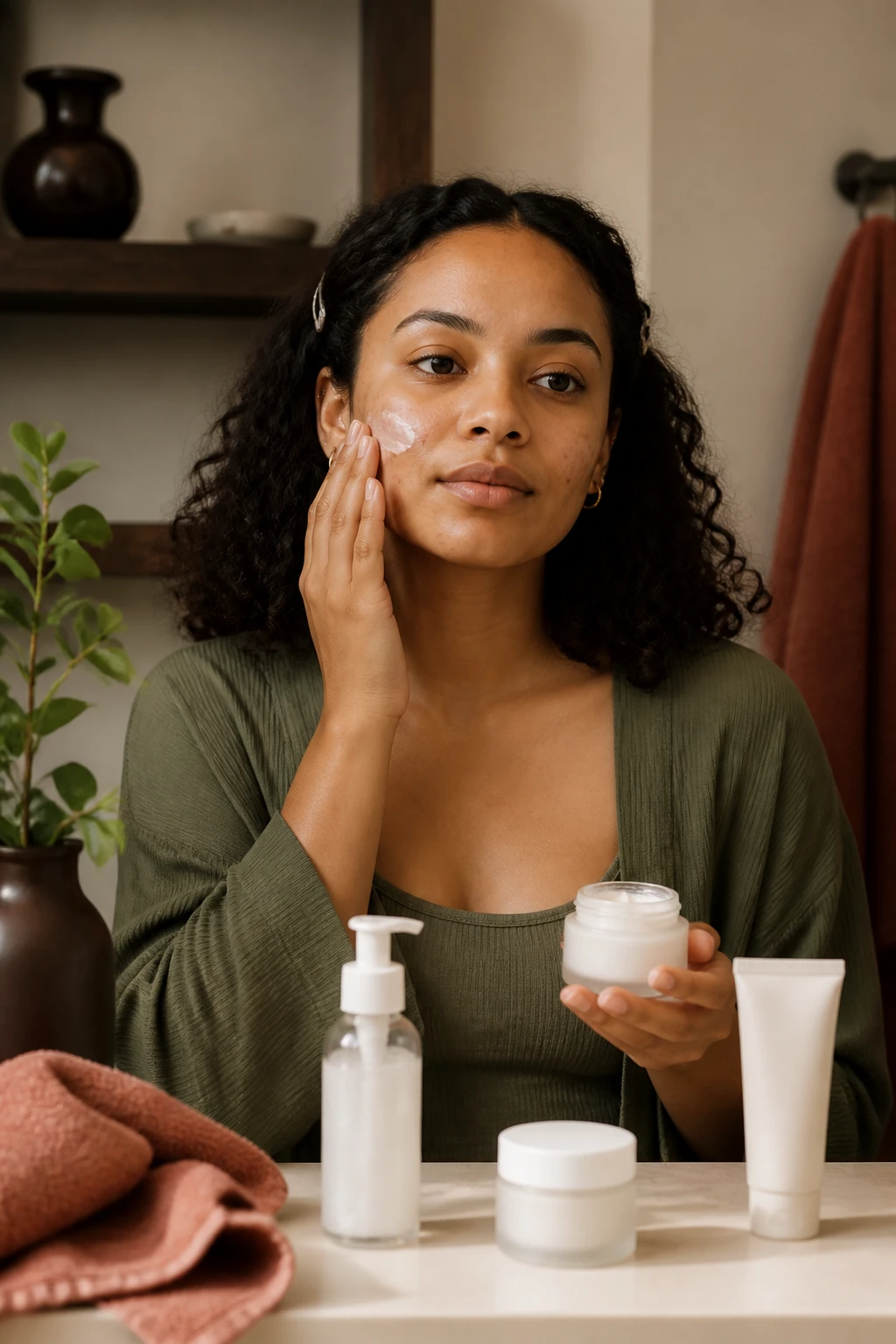
Acne-prone skin can still become dehydrated or dry during fall. Trying to remove every trace of oil with harsh cleansers, alcohol-based products, or frequent scrubbing may make the skin more irritated.
Wash gently and apply a moisturizer labeled for acne-prone or non-comedogenic skin. Continue using acne treatments as directed rather than applying extra amounts to dry a breakout more quickly.
The AAD advises avoiding astringents, rubbing alcohol, and aggressive scrubbing, since these habits can dry and irritate acne-prone skin. It also recommends moisturizing after washing when acne treatments leave the skin dry.
When breakouts are painful, leave scars, or continue despite a consistent routine, a dermatologist can help you choose treatment without damaging your skin barrier.
11. Complete a Weekly Skin Check-In
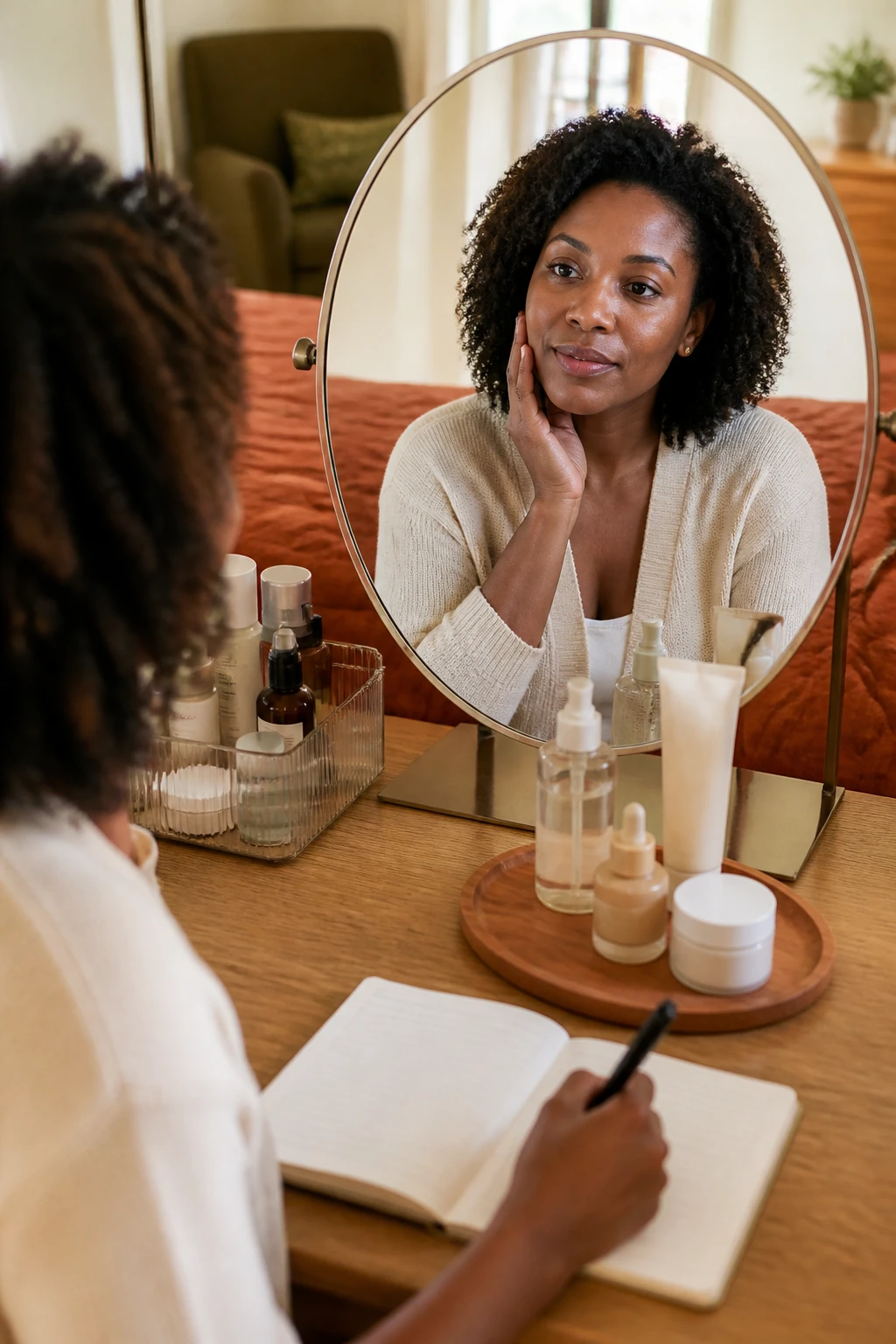
Set aside a few minutes each week to notice how your skin feels rather than judging it only by how it looks. Check for dryness, burning, itching, peeling, new breakouts, or products that have become uncomfortable.
Write down any recent changes, including a new product, increased exfoliation, colder weather, travel, medication, or a change in your normal routine. This can help you identify patterns instead of replacing your entire skincare collection after one difficult day.
Keep your basic routine steady for long enough to understand how it performs. Cleansing, moisturizing, and sun protection are often a better foundation than constantly rotating through several products.
Seek medical advice when a rash spreads, your skin becomes painful, cracks or bleeds repeatedly, or irritation does not improve after removing the suspected product.
Keep Your Fall Skincare Routine Simple
Healthy fall skincare does not require an overflowing shelf. Begin with gentle cleansing, enough moisture, and daily sun protection. Add treatment products only when they address a clear concern and your skin can tolerate them.
Choose two or three changes from this list and practice them consistently before adding anything else. Your skin type, health history, climate, and current treatments should guide the final routine. When a problem is persistent, painful, or getting worse, speak with a board-certified dermatologist instead of trying to correct it with more products.