



Table of Contents Show
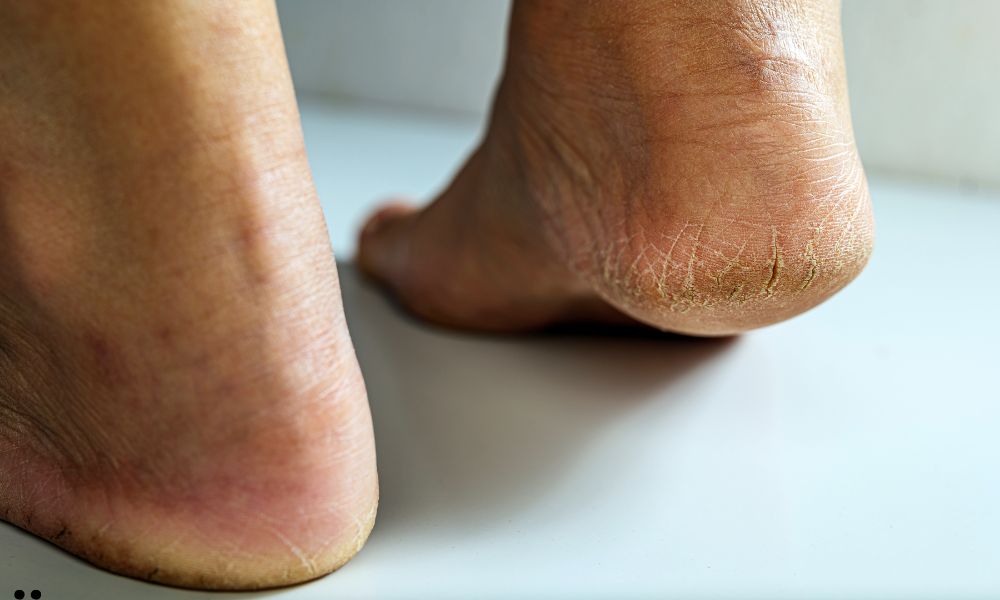
Let’s be honest—dry, cracked heels are one of those things we often ignore until they snag on a sheet or feel rough under your fingers. They can range from a little rough to split painfully, and it’s easy to feel like no amount of lotion makes a lasting difference.
Beauty For The Modern Woman
It might seem like a high-maintenance problem, but the truth is, healing your heels doesn’t require a spa day.
With a few effortless habits built into your existing routine, you can have sandal-ready feet with minimal effort. It’s all about working smarter, not harder.
Why Are My Heels So Dry?
Your heels are designed to take pressure, so the skin there is naturally thicker. The problem starts when that thick skin loses moisture and builds up without being softened and shed. Common causes are:
- Lack of Moisture: The skin on your feet has few oil glands, so it dries out easily.
- Pressure and Friction: Walking barefoot, standing all day, or wearing unsupportive shoes causes the skin to thicken (callus) for protection, which can then crack if dry.
- Dry Air and Hot Showers: Harsh winters and long, hot showers strip moisture from your skin.
- Open-Back Shoes: Shoes like sandals or clogs let your heel pad expand and the skin to rub, encouraging more thickening.
Your Effortless, Two-Step Routine
Do this just 2-3 times a week. It takes 5 minutes.
Step 1: Exfoliate in the Shower (The Easy Way)
Turn your shower time into treatment time.
- Keep a Pumice Stone in the Shower: After you’ve been standing in the warm water for a few minutes, gently rub the wet pumice stone over your wet heels in circular motions. The warm water softens the skin, making exfoliation effortless. Do this for just 30 seconds per foot.
- No Pressure Needed: Let the stone do the work. Don’t scrub raw—just aim to smooth, not remove.
Step 2: Lock in Moisture Overnight (The Magic Trick)
This is the single most effective step, and it works while you sleep.
- Slather on a Heavy Cream or Ointment: Right before bed, apply a thick, grease-based moisturizer like petroleum jelly, Aquaphor, or a heavy foot cream containing urea or shea butter.
- Put on Socks: Immediately pull on a pair of clean, cotton socks. This creates a hydrating chamber that locks in the moisture and forces it to absorb, and prevents greasing up your sheets.
- Wake Up to Softer Feet: Do this 2-3 nights a week. You’ll feel a dramatic difference overnight, and see one in a week.
Effortless Daytime Habits
Make these second nature.
- Moisturize After Every Shower: Keep lotion by the shower. Pat feet dry and apply a regular body lotion to damp skin post-shower to seal in water.
- Wear Supportive Socks at Home: Instead of going barefoot on hard floors, wear cushioned socks or slippers. This reduces pressure and friction.
- Stay Hydrated: Drinking enough water helps your entire body, including your skin, stay hydrated from the inside.
What to Avoid to Keep It Easy
- Don’t Use Razor Blades or Sharp Tools: It’s risky and can cause infection or injury. Stick to the gentle pumice stone.
- Avoid Long, Scorching Hot Showers: They dry out your skin. Opt for warm water.
- Don’t Ignore Them Until They Crack: A little maintenance prevents a big problem. The overnight sock treatment is your best defense.
When to See a Professional
If your heels are severely cracked, bleeding, painful, or show signs of infection (redness, swelling), see a podiatrist or dermatologist. They can safely remove thick calluses and rule out conditions like fungal infections or eczema.
The Realistic Take
Getting rid of dry heels “effortlessly” means making tiny, non-negotiable habits that do the work for you. The 5-minute shower, pumice rub, and the overnight moisturizer-sock combo are 95% of the battle.
You don’t need a fancy routine—just consistency with these two simple steps. Keep a pumice stone in your shower and lotion with socks by your bed. Your future, smoother heels will thank you.