




Table of Contents Show
Oily skin does not suddenly become dry skin when fall arrives. You may still notice shine across your forehead, nose, and chin, but cooler air and indoor heating can also make your skin feel tight or irritated. This combination often leads people to wash more, skip moisturizer, or use several strong acne products at once.
A better fall routine should control excess oil without stripping away all of your skin’s natural moisture.
Dermatologists recommend gentle cleansing, oil-free and non-comedogenic products, daily moisturizer, and year-round sun protection.
Your Fall Oily-Skin Routine at a Glance
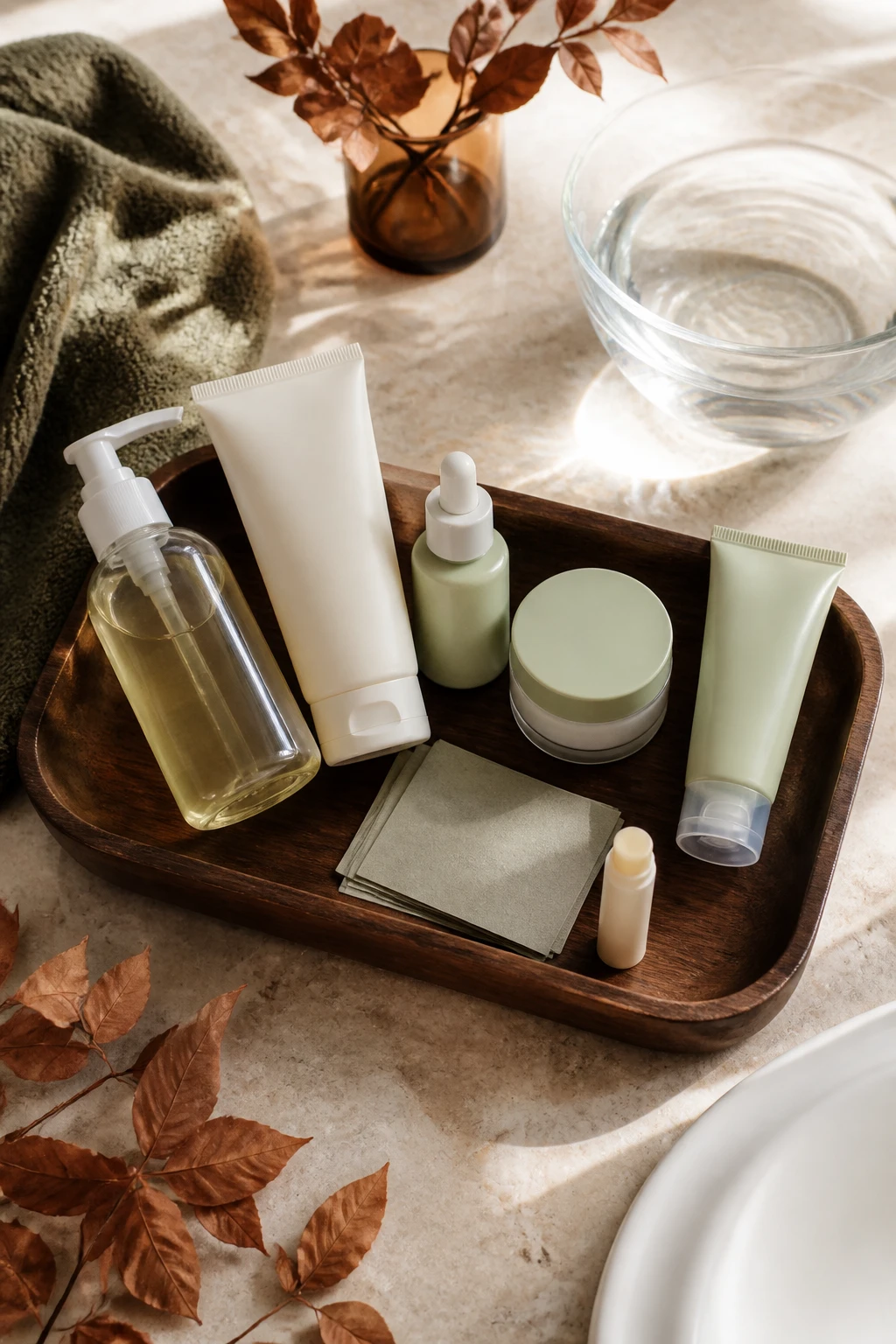
A complete routine does not need to be long.
Morning:
- Cleanse gently.
- Apply one treatment product when needed.
- Use a lightweight moisturizer.
- Apply broad-spectrum sunscreen.
- Control midday shine with blotting paper.
Evening:
- Remove makeup and sunscreen completely.
- Cleanse without scrubbing.
- Apply your chosen acne or oil-control treatment.
- Moisturize.
- Protect any irritated areas.
Choose one treatment based on your main concern instead of using several strong ingredients during the same routine.
The Best Fall Morning Routine for Oily Skin
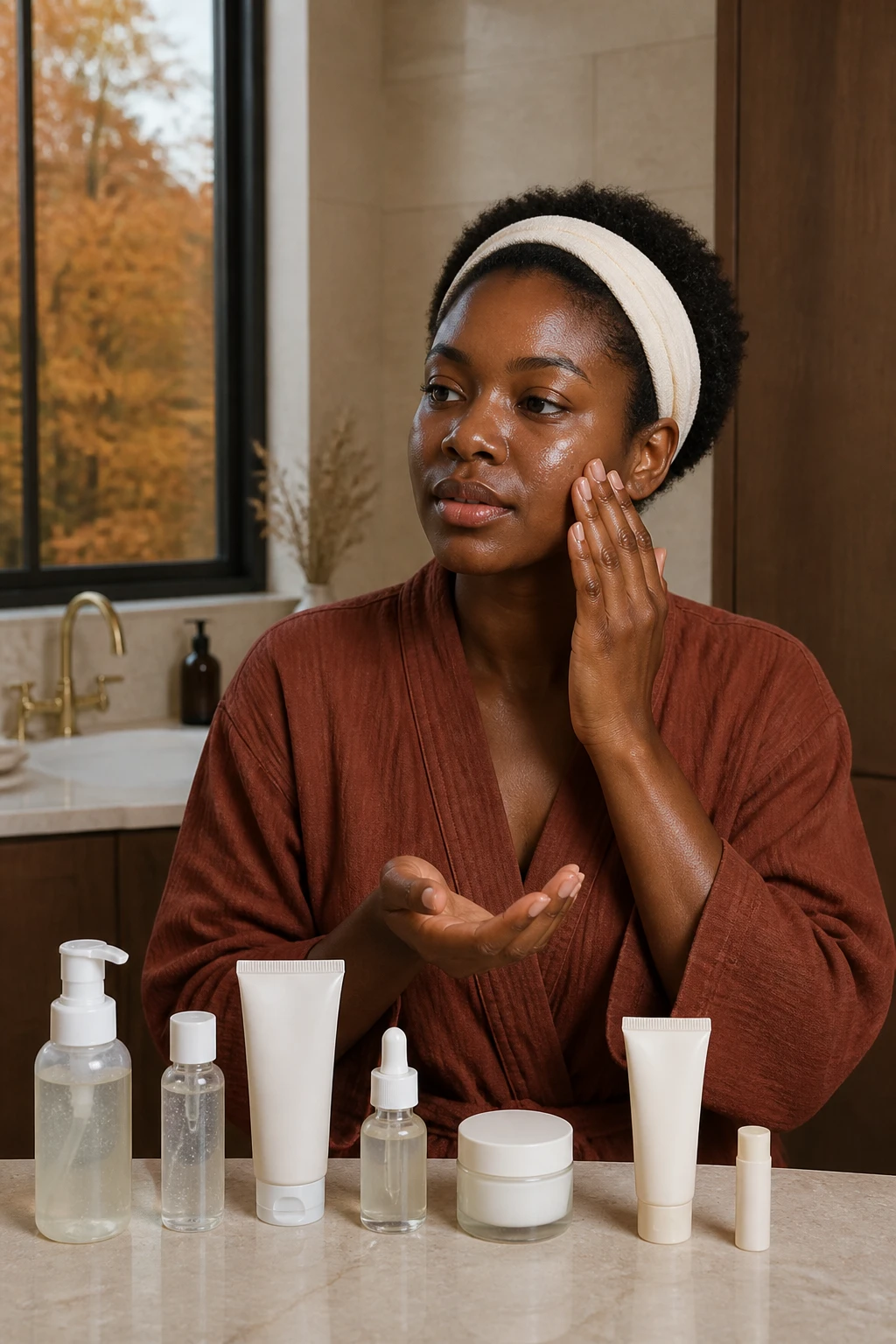
Step 1: Wash With a Gentle Foaming Cleanser
Cleanse your face in the morning to remove oil, sweat, and skincare left from the night before. Use lukewarm water and a mild foaming cleanser.
Massage the cleanser lightly with your fingertips. Do not use a rough cloth, facial brush, or grainy scrub to make your face feel extra clean.
Dermatologists recommend cleansing oily skin up to twice a day and after sweating. They also warn that harsh washing and scrubbing can irritate the skin and make it look worse.
Your face should feel fresh after cleansing, not painfully tight. A tight or burning feeling may mean that your cleanser is too harsh or that you are washing too often.
Step 2: Add One Targeted Treatment When Needed
You do not need a treatment serum every morning. Cleanser, moisturizer, and sunscreen may be enough when your skin is calm.
When blackheads, whiteheads, or clogged pores are your main concern, a product containing salicylic acid may help. However, acids can irritate some skin, especially when they are used too frequently or combined with other strong products.
Begin with one product and follow its directions. Use it less often or stop when your skin becomes red, sore, flaky, or uncomfortable.
Avoid introducing a new morning treatment and a new evening treatment during the same week. When irritation appears, you should be able to identify which product caused it.
Step 3: Apply an Oil-Free Moisturizer
Oily skin still needs moisture. Skipping this step may leave your skin dry and irritated, especially when you are also using acne treatments.
Choose a lightweight moisturizer labeled:
- Oil-free
- Non-comedogenic
- Won’t clog pores
- Made for oily or acne-prone skin
Apply it after washing while your face still holds a small amount of water. Dermatologists recommend moisturizer for oily and acne-prone skin because it can help reduce dryness caused by weather and acne medication.
A thin lotion, fluid, or gel-cream may feel more comfortable than a heavy ointment. However, the best texture is the one that keeps your skin comfortable without causing breakouts.
Step 4: Finish With Broad-Spectrum Sunscreen
Fall weather does not remove the need for sunscreen. Apply a broad-spectrum, water-resistant sunscreen with SPF 30 or higher before going outdoors.
Look for a fluid or gel formula labeled oil-free and non-comedogenic. Gel sunscreen can feel comfortable on oily complexions, while tinted sunscreen may reduce the visible white cast that some products leave on deeper skin tones.
Apply sunscreen to your face, neck, ears, and other exposed areas. Reapply about every two hours when you remain outdoors, as well as after sweating, according to the product directions.
Do not choose sunscreen based only on whether it promises a completely matte finish. A formula that burns, pills, or makes you avoid applying enough will not work well in your routine.
Step 5: Manage Shine Without Rewashing Your Face
Your skin may become shiny again later in the day. This does not mean you need to wash your face every few hours.
Press a clean blotting paper gently against the oily area for a few seconds. Lift it away instead of dragging it across your skin. Dermatologists recommend pressing rather than rubbing, since rubbing can spread oil across the face.
You can also blot with a clean tissue in an emergency. Avoid adding layer after layer of heavy powder without first removing some surface oil.
The Best Fall Evening Routine for Oily Skin

Step 1: Remove Makeup and Sunscreen Completely
Never sleep in makeup, even when it is labeled non-comedogenic. Makeup, sunscreen, oil, and dirt should be removed before bed.
Use an oil-free makeup remover, micellar water, or another remover that your skin tolerates. Avoid rubbing repeatedly around the eyes and cheeks.
When you wear heavy or water-resistant makeup, take enough time to soften and remove it before cleansing. A quick wipe that leaves visible foundation around the hairline is not a complete cleanse.
Wash reusable makeup cloths after each use and avoid sharing makeup brushes or applicators. Shared tools can transfer oil, dead skin, and bacteria between people.
Step 2: Cleanse Gently
Follow makeup removal with your gentle cleanser. Apply it with clean fingertips and rinse with lukewarm water.
Avoid alcohol-based cleansers and strong astringents. These can irritate the skin rather than creating healthy oil control.
Do not scrub blackheads or active pimples. Blackheads are not proof that your face is dirty, and aggressive rubbing can increase irritation.
Pat your skin dry with a clean towel. When you plan to use a retinoid, follow the product or prescription directions about whether your skin should be completely dry first.
Step 3: Apply One Acne Treatment
The right active ingredient depends on the type of breakouts you have.
Salicylic acid can help unclog pores and is commonly used for blackheads and whiteheads.
Benzoyl peroxide can be helpful for mild inflamed pimples. Dermatologists advise beginning with a lower strength, such as 2.5%, to reduce the risk of dryness and burning.
Adapalene is a retinoid that can help treat blackheads, whiteheads, and pimples.
Azelaic acid can help treat acne and may also improve the dark marks that remain after blemishes heal.
Choose one main treatment and apply it as directed. Do not combine salicylic acid, benzoyl peroxide, retinoids, exfoliating toner, and a peel simply because you want faster results.
Acne medication usually needs time to work. Dermatologists recommend using one suitable product consistently for six to eight weeks before deciding whether it is helping, unless it causes a concerning reaction.
Step 4: Apply Treatment Across Acne-Prone Areas
Some acne treatments work better when applied in a thin layer over the entire acne-prone area rather than only on visible pimples.
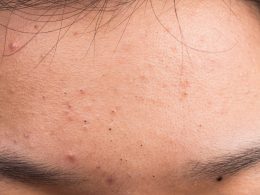
For example, someone who regularly breaks out across the forehead may be instructed to apply a thin layer across that area. This can treat current blemishes and help prevent new ones.
Follow the directions for your exact product. Spot treatments and hydrocolloid patches may still be useful for certain individual blemishes, but they do not replace a routine designed to prevent recurring acne.
Avoid spreading medication around the eyes, corners of the nose, and lips unless the instructions say it is safe.
Step 5: Finish With Moisturizer
Apply a lightweight, non-comedogenic moisturizer after your treatment, unless your dermatologist or product directions recommend a different order.
This step is especially important when you use benzoyl peroxide, salicylic acid, or a retinoid. These treatments can dry or irritate the skin, and moisturizer may make them easier to tolerate.
When one part of your face becomes dry while the rest remains oily, use a little more moisturizer only on the dry area. You do not have to apply the same amount everywhere.
A Simple Treatment Schedule for Oily, Acne-Prone Skin

A beginner routine might look like this:
Morning every day:
- Gentle cleanser
- Lightweight moisturizer
- Sunscreen
Evening on treatment nights:
- Remove makeup
- Gentle cleanser
- One acne treatment
- Moisturizer
Evening on rest nights:
- Remove makeup
- Gentle cleanser
- Moisturizer
Your exact schedule will depend on the product, your skin, and any instructions from your dermatologist. Do not copy an online treatment calendar when it conflicts with the directions on your medication.
When using adapalene or another retinoid, beginning slowly and using moisturizer can reduce irritation. Retinoids should generally be avoided during pregnancy unless a qualified healthcare professional has provided different guidance.
People who are pregnant, trying to become pregnant, or breastfeeding should discuss acne treatments with an obstetrician or dermatologist before starting them.
The Best Weekly Routine for Oily Skin
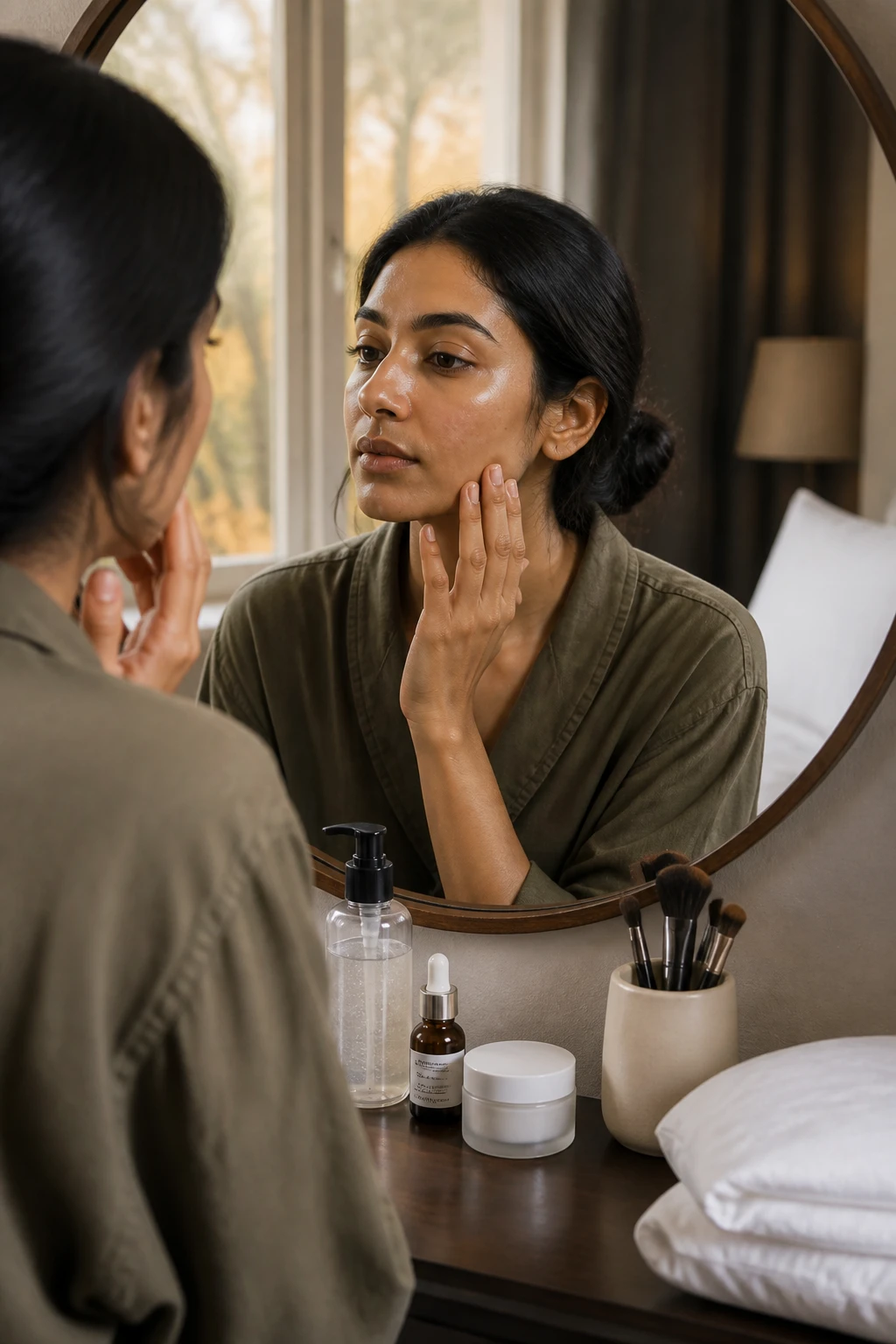
Your weekly routine should not be a punishment for having oily skin. Avoid planning a scrub, pore strip, strong peel, clay mask, and extraction session on the same day.
Instead, use the weekly check-in to ask:
- Is my skin comfortable or irritated?
- Am I washing more than twice a day?
- Have I introduced too many treatments?
- Is my moisturizer making my skin feel better?
- Are my makeup brushes and tools clean?
- Am I removing makeup every night?
- Have I given my treatment enough time to work?
When your skin is calm, you may use a gentle exfoliating product according to its instructions. Salicylic, glycolic, and lactic acids can help reduce oiliness, but they can also be too harsh for some people. Reduce their use when irritation appears.
Avoid squeezing blackheads and pimples during your weekly routine. Picking can push material deeper into the skin, increase inflammation, and raise the risk of pain or scarring.
How to Adjust the Routine When Fall Makes Your Skin Feel Dry

Oily skin can still become dehydrated, flaky, or irritated. When that happens, do not try to remove the flakes with more acid or scrubbing.
Temporarily simplify your routine to:
- Gentle cleanser
- Oil-free moisturizer
- Sunscreen
- Prescribed treatments used according to professional advice
Reduce optional acids and non-prescribed retinoids until your skin feels comfortable. Avoid astringents and rubbing alcohol, since drying out acne-prone skin can increase irritation and breakouts.
You can apply a little more moisturizer to dry cheeks while using a lighter layer across the T-zone. Oily skin does not require you to treat every area in exactly the same way.
Do not stop a prescribed acne medication without discussing the problem with the professional who recommended it. They may adjust the amount, frequency, formula, or supporting moisturizer.
The Best Fall Makeup Routine for Oily Skin
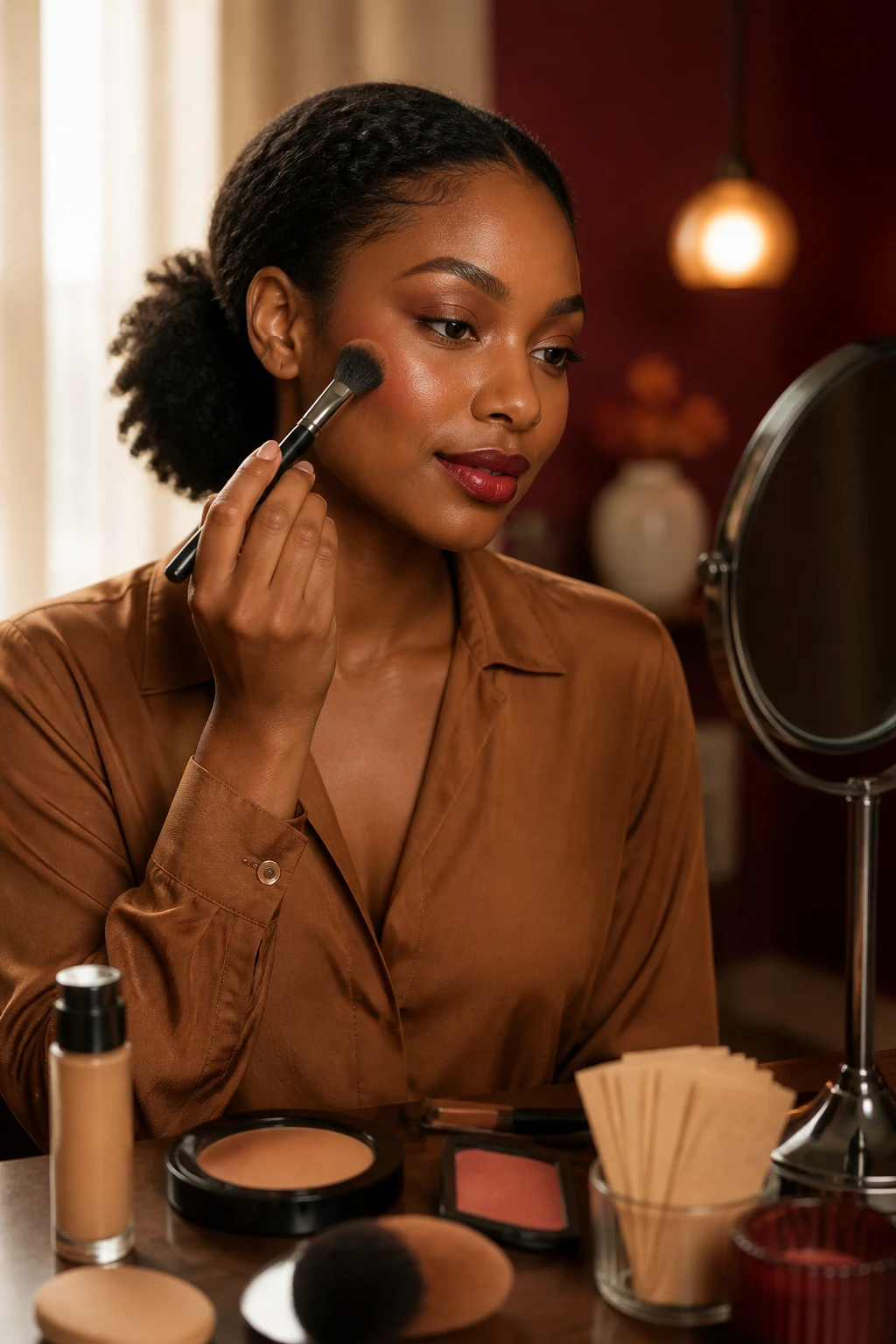
Begin makeup only after your moisturizer and sunscreen have settled. Applying thick layers immediately can cause pilling and uneven texture.
Choose oil-free, water-based, and non-comedogenic makeup. Matte formulas may help reduce shine, but they should not leave your face feeling dry or uncomfortable.
Use thin layers and apply more coverage only where needed. When shine appears, press blotting paper against the area before adding more powder.
Wash brushes and sponges regularly, keep applicators away from dirty surfaces, and do not share them with other people. Most importantly, remove all makeup before sleeping.
How to Care for Oily Skin After Exercise
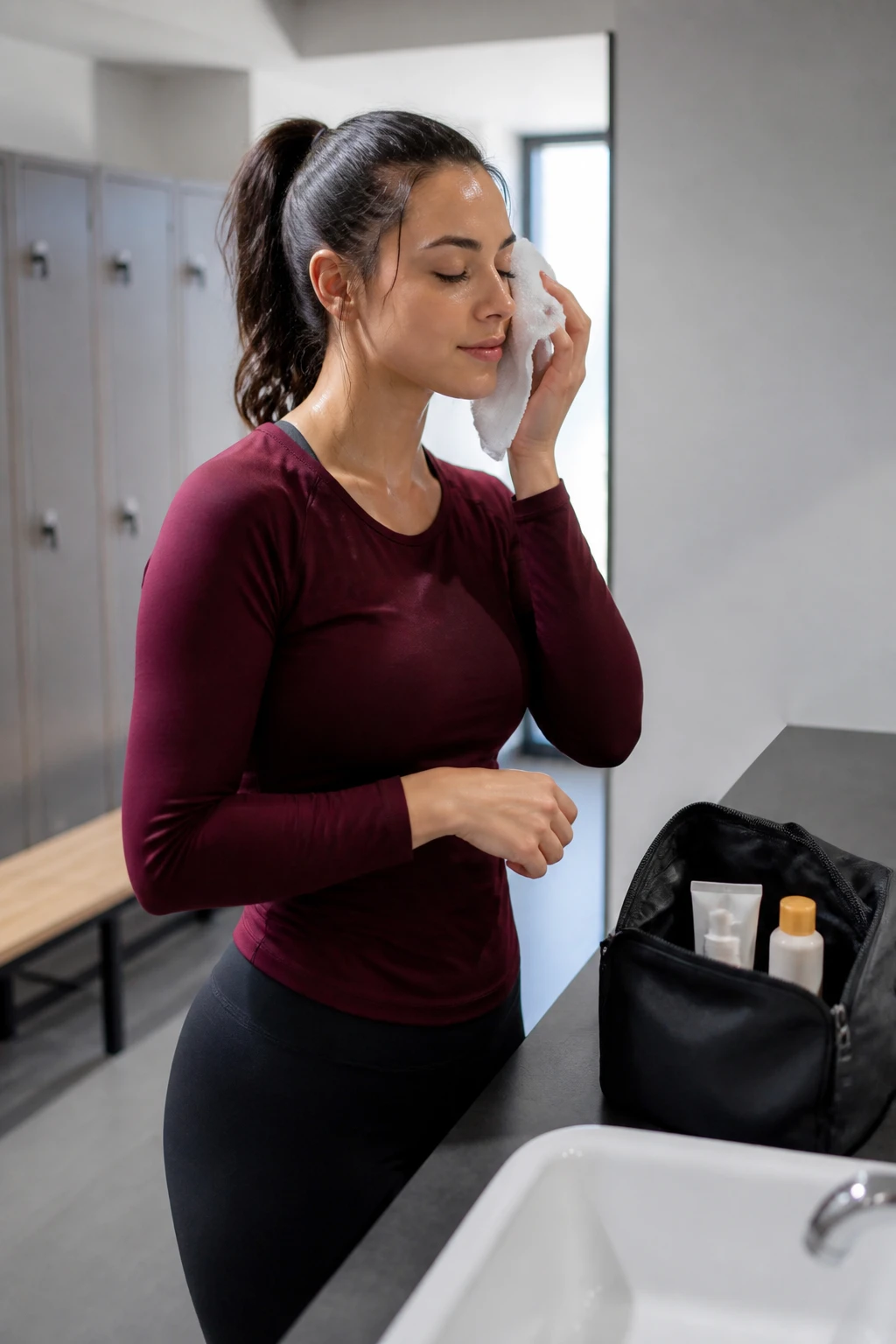
Cleanse after an activity that causes heavy sweating. Leaving sweat, oil, makeup, and a tight hat against the skin may feel uncomfortable and can contribute to irritation.
Pat sweat away with a clean towel instead of rubbing your face. Dermatologists recommend gentle patting during exercise because rough rubbing may irritate acne-prone skin.
When you cannot wash immediately, remove heavy surface sweat, avoid touching your face, and cleanse as soon as it is practical.
Reapply moisturizer and sunscreen after washing when you will return outdoors.
Ingredients Commonly Used for Oily Skin
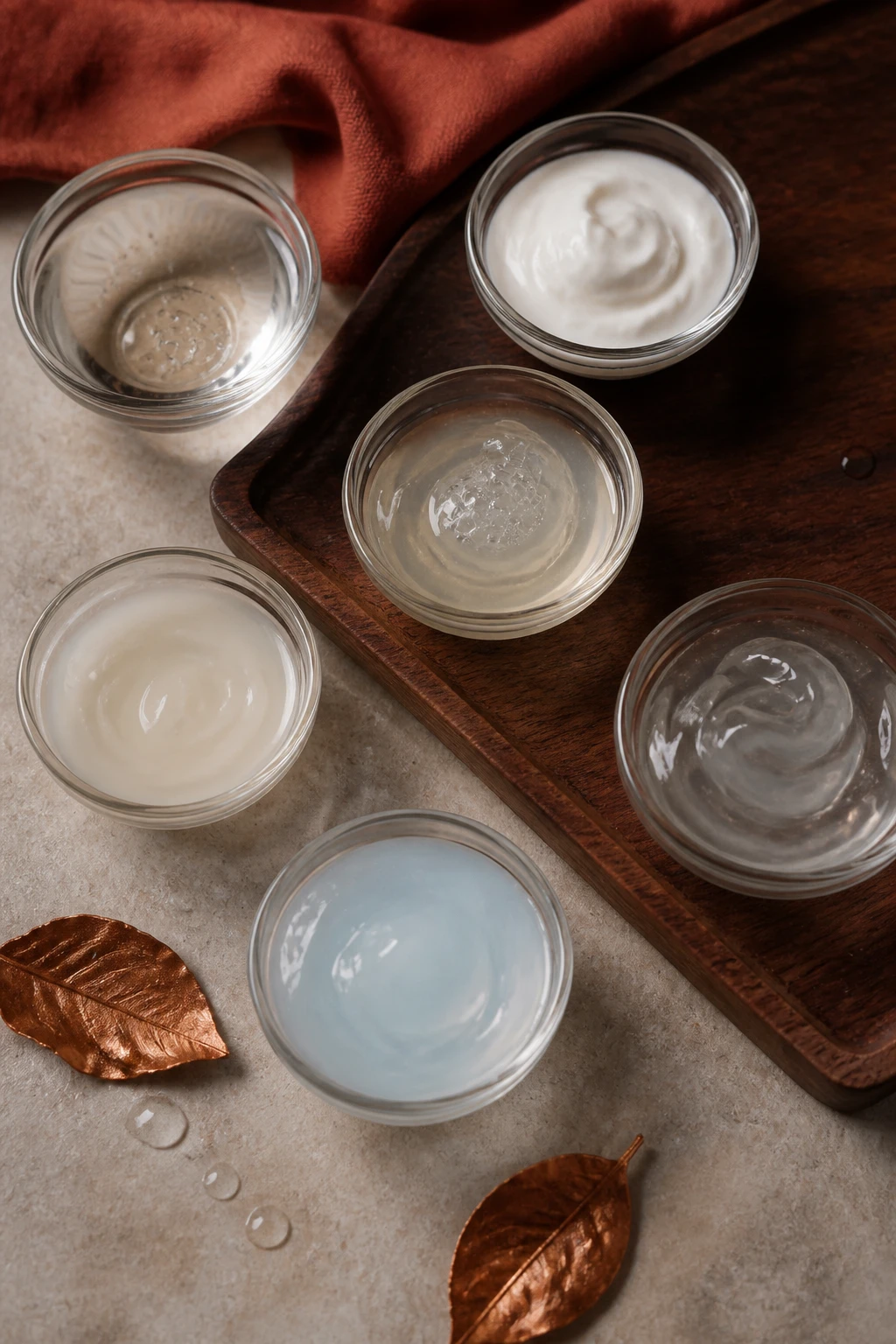
Salicylic Acid
Salicylic acid can unclog pores and is commonly used for blackheads and whiteheads. It may be too drying when used too frequently or combined with other exfoliating products.
Benzoyl Peroxide
Benzoyl peroxide helps treat mild pimples by reducing acne-related bacteria. Beginning with a lower concentration may reduce dryness, burning, and irritation.
Adapalene
Adapalene is a retinoid used for blackheads, whiteheads, and pimples. Use it as directed and protect your skin from the sun.
Azelaic Acid
Azelaic acid can help treat acne and may improve the dark marks left after breakouts. This can be especially useful for people who develop noticeable post-acne marks.
These ingredients are not meant to be started together. Select one based on your main concern and give it time to work.
Fall Skincare Mistakes That Can Make Oily Skin Worse
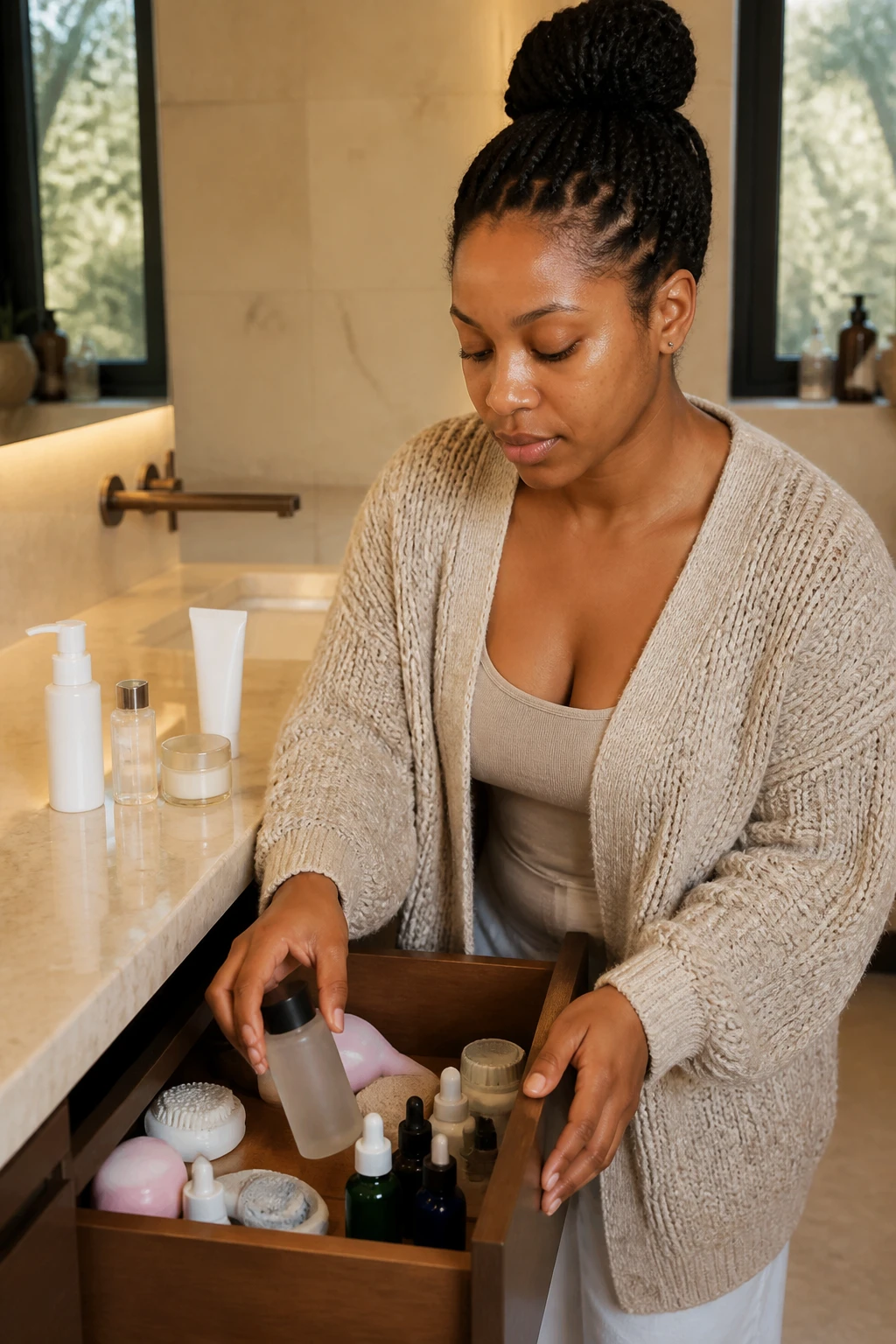
Avoid these common habits:
- Washing your face several times a day
- Scrubbing until your skin feels tight
- Skipping moisturizer
- Using rubbing alcohol or strong astringents
- Starting several acne treatments together
- Applying medication only after a pimple appears
- Touching your face throughout the day
- Sleeping in makeup
- Squeezing blackheads and pimples
- Expecting a treatment to work in a few days
- Skipping sunscreen because the weather is cloudy
These habits can irritate oily and acne-prone skin, interfere with consistency, or contribute to more breakouts.
When to See a Dermatologist
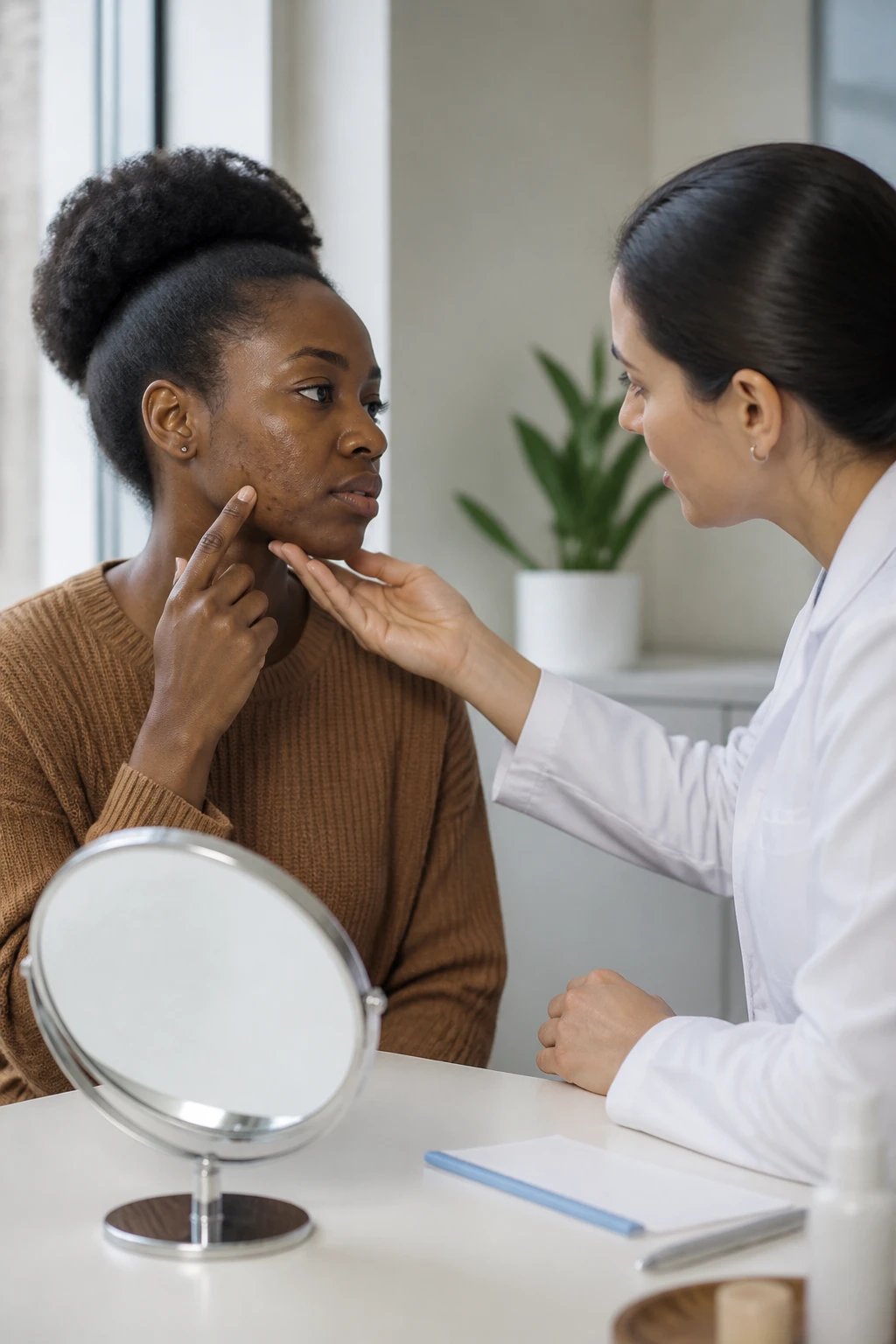
Consider seeing a board-certified dermatologist when you have:
- Deep or painful breakouts
- Acne that is leaving scars
- Worsening dark marks after blemishes
- A sudden major change in oil production
- A rash, swelling, or severe irritation
- Acne that has not improved after consistent care
- Breakouts that affect your confidence or daily life
Over-the-counter treatment may not be enough for severe, inflamed, painful, or scarring acne. A dermatologist can identify the type of acne and create a treatment plan based on your skin, health history, and current products.
Keep Your Fall Oily-Skin Routine Balanced
The goal is not to remove every trace of oil from your face. Healthy skin naturally contains oil, and aggressive attempts to dry it out can leave it irritated.
Begin with a gentle cleanser, lightweight moisturizer, and broad-spectrum sunscreen. Add one treatment only when you have a clear concern such as blackheads, whiteheads, inflamed pimples, or post-acne marks.
Follow the routine consistently and give treatment enough time to work. Your skin should feel clean and comfortable, not sore, burning, or stripped.