



Table of Contents Show
Fall can change the way your hair and scalp behave. Cooler air, indoor heating, windy days, hats, and more frequent heat styling may leave your hair feeling drier, flatter, tangled, or harder to manage. This does not mean you need to replace every product on your shelf.
A good fall haircare routine should focus on keeping the scalp clean, limiting breakage, maintaining moisture, and choosing styles that do not place unnecessary tension on the hair.
These practical routines can be adjusted for straight, wavy, curly, coily, natural, relaxed, and color-treated hair.
1. Begin With a Fall Scalp Check-In
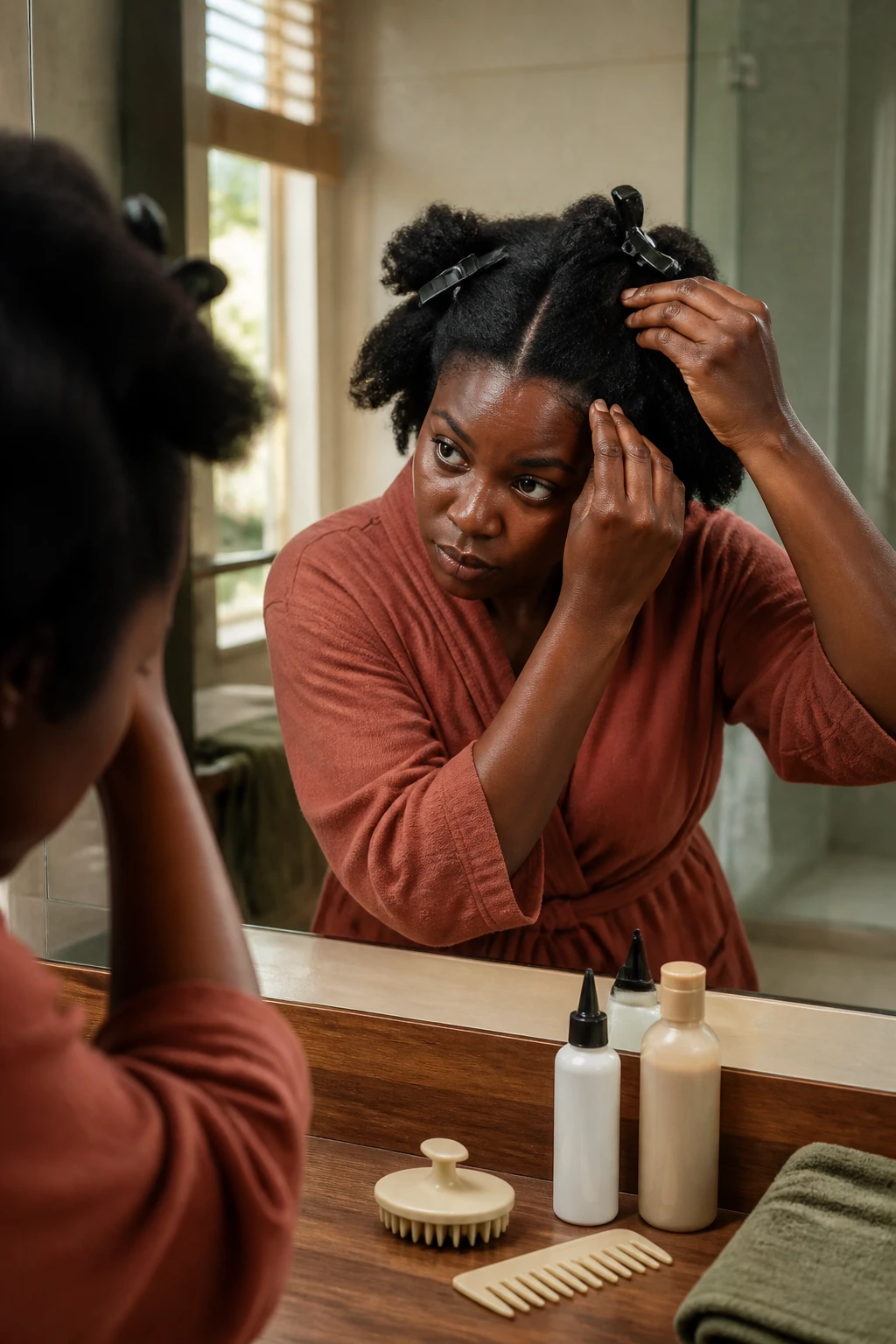
Before changing your products, take a few minutes to examine your scalp. Look for unusual flaking, redness, tender areas, heavy buildup, persistent itching, or changes in your hairline.
Pay attention to whether the scalp feels genuinely dry or whether you are dealing with dandruff. The two can look similar but may require different care. A gentle, non-medicated shampoo may help a dry scalp, while dandruff may respond better to a properly used dandruff shampoo. Persistent symptoms should be assessed by a dermatologist.
Repeat this quick check every few weeks. It will help you notice changes before they become harder to manage.
2. Create a Wash Schedule Based on Your Scalp

Your wash schedule should be based on your scalp, hair texture, activity level, styling products, and protective style rather than a fixed rule from social media.
An oily scalp or frequent exercise may require more regular cleansing. Dry, curly, or tightly coiled hair may not need to be shampooed as often, but the scalp still needs to be cleaned well enough to remove oil, sweat, dead skin, and product buildup.
Dry shampoo can help between wash days, but it should not replace regular shampoo and water. Allowing dry shampoo to remain on the scalp for too long may contribute to buildup, breakage, and shedding.
Choose a schedule you can maintain consistently, then adjust it when your scalp feels oily, itchy, coated, or uncomfortable.
3. Detangle Gently Before and During Wash Day
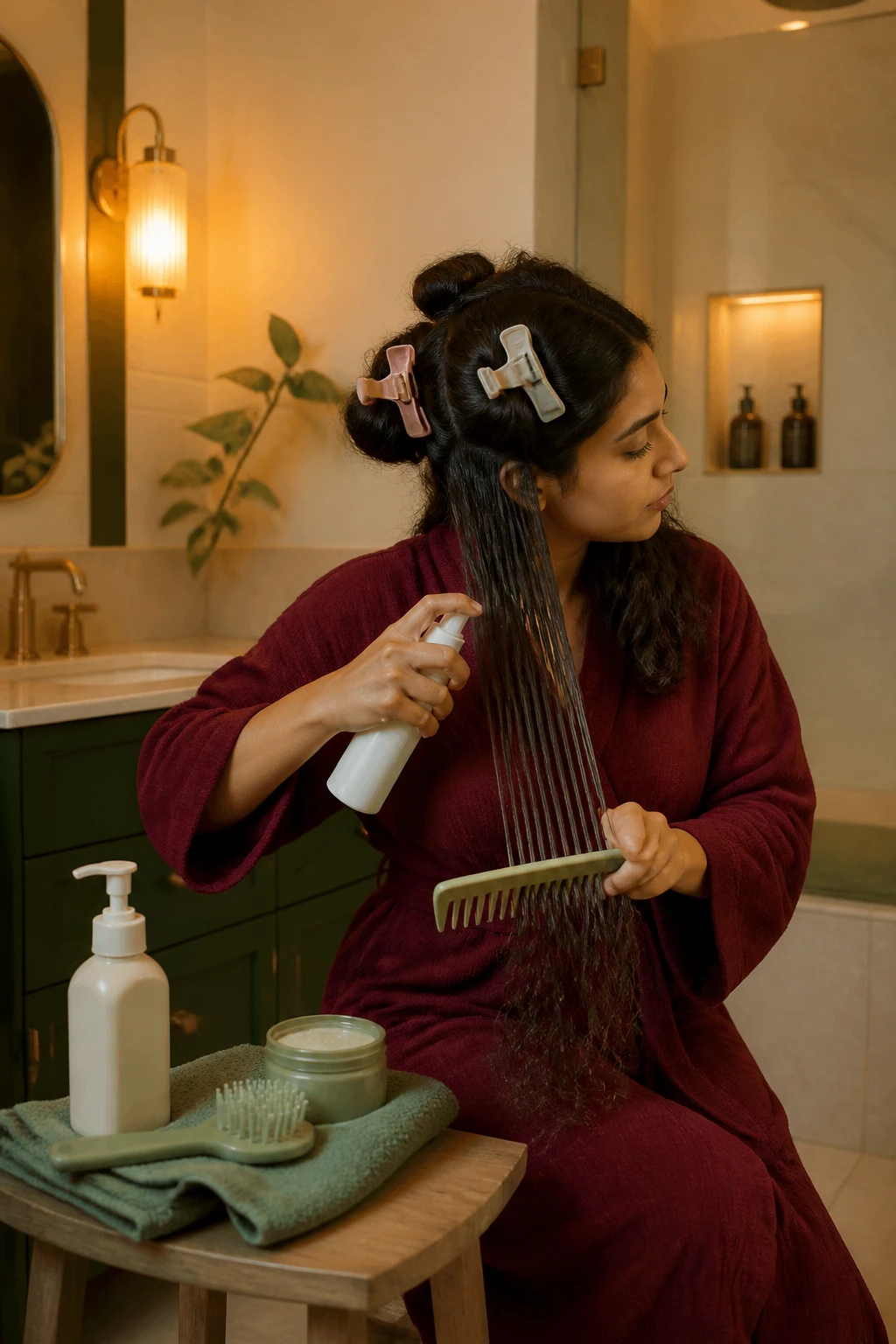
Rushing through knots can create more breakage than the washing process itself. Begin at the ends and work upward in small sections rather than pulling a brush from the roots to the tips.
Straight and loosely wavy hair can often be allowed to dry slightly before gentle combing. Curly and tightly coiled hair is usually easier to detangle while damp and coated with conditioner or a detangling product.
Use your fingers, a wide-tooth comb, or a brush designed for your texture. Avoid brushing curls while they are completely dry if this leads to breakage, frizz, or loss of definition.
When you reach a difficult knot, add more slip and work through it slowly instead of pulling harder.
4. Shampoo the Scalp Instead of Scrubbing the Lengths
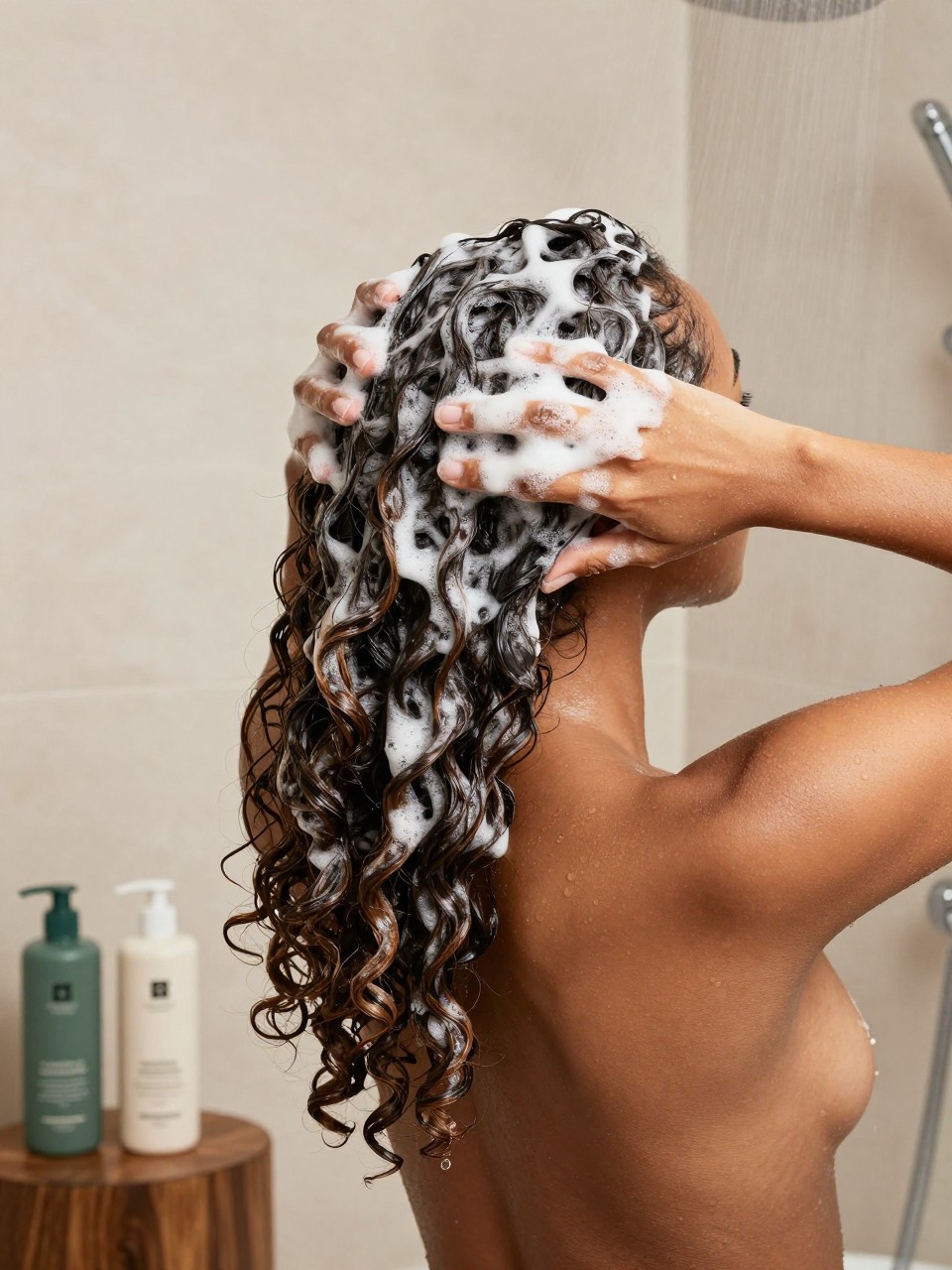
Concentrate shampoo where oil and buildup collect most: on the scalp. Apply the product in several areas and massage it gently with the pads of your fingers.
Avoid scratching with your nails or rubbing the lengths together. As you rinse, allow the shampoo and water to flow through the rest of your hair. This is usually enough to cleanse the strands without adding unnecessary friction.
Dermatologists recommend massaging shampoo into the scalp rather than rubbing it throughout the hair, which can increase tangling and damage.
When one wash does not remove heavy buildup, a second gentle cleanse may be more effective than using excessive pressure during the first.
5. Condition After Every Shampoo
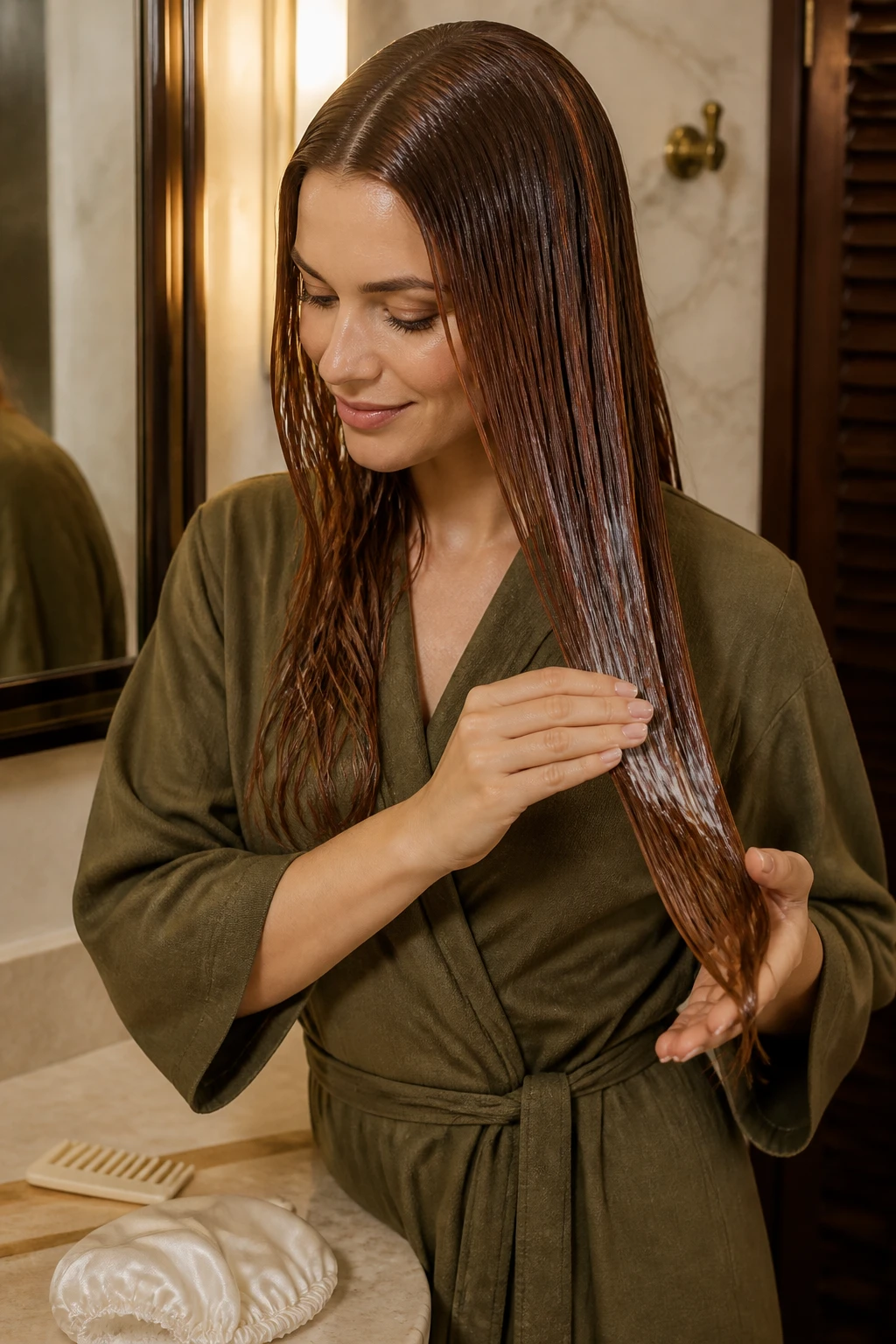
Conditioner helps the strands feel smoother and easier to detangle after cleansing. Apply it after every shampoo unless a medical professional has advised you to use a different routine.
For fine or straight hair, concentrate the conditioner mainly on the middle lengths and ends. Curly, coily, dry, chemically treated, or damaged hair may need it applied more generously through most of the length.
Give the product time to coat the strands, then detangle carefully before rinsing. Conditioner can help reduce friction, frizz, split ends, and breakage.
Use enough to soften your hair, but rinse thoroughly if heavy residue causes limpness or buildup.
6. Add a Weekly Deep-Moisture Session

A weekly deep-conditioning session can be helpful when your hair feels rough, loses moisture quickly, or has been exposed to regular heat, coloring, relaxing, or protective styling.
After shampooing, apply the treatment in sections so it reaches the driest areas. Focus on the ends, which are older and often more fragile than the hair near your scalp.
Follow the timing instructions rather than leaving the treatment on all day. More time does not always create better results, and overloading fine hair can make it feel heavy.
Alternate moisture-focused products with strengthening treatments only when your hair needs them. Using heavy protein treatments too often may leave some hair types feeling stiff or brittle.
7. Use Leave-In Conditioner Where Your Hair Needs It
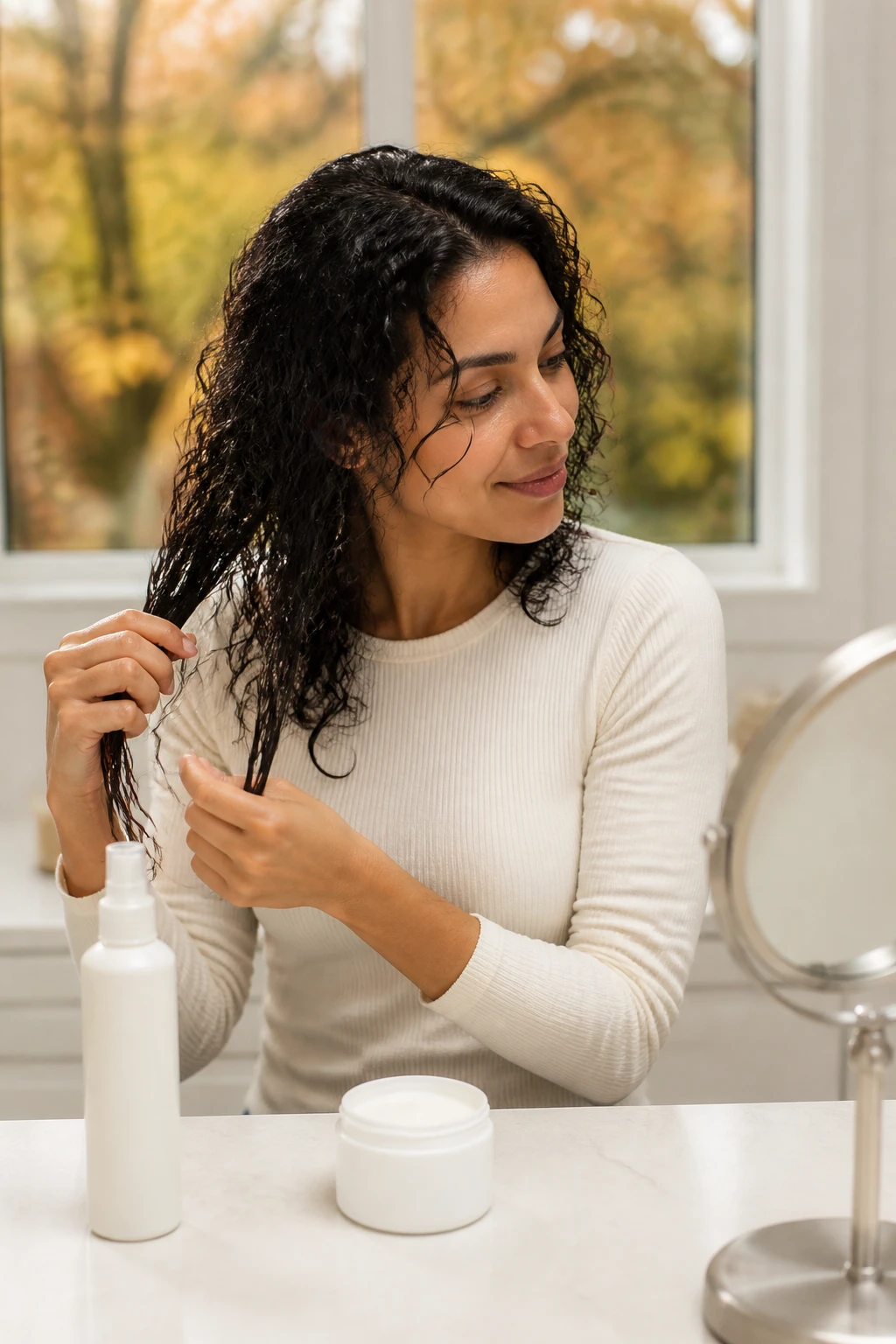
A leave-in conditioner can help reduce tangling, static, flyaways, and dryness after washing. It may be especially useful during fall when scarves, coats, and dry indoor air create more friction around the hair.
Begin with a small amount and apply it to damp hair. Concentrate on the middle lengths and ends instead of automatically coating the scalp.
Fine hair may need a light spray, while thick, curly, or coily hair may respond better to a creamier formula. Some leave-ins also provide heat protection, but you should check the label rather than assume every product does.
Add more only when necessary. Too much product can leave the hair dull, sticky, or difficult to style.
8. Replace Rough Towel-Drying With a Gentler Method

Hair is more vulnerable to stretching and breakage when it is wet. Avoid rubbing it aggressively with a regular bath towel.
Gently squeeze out excess water with your hands, then wrap or blot the hair with a microfiber towel or soft cotton T-shirt. Do not twist the wrap so tightly that it pulls at your hairline.
Dermatologists recommend wrapping wet hair to absorb water rather than rubbing it dry. Allowing the hair to partially air-dry can also reduce the amount of time needed under a blow-dryer.
Remove the wrap before your hair becomes completely dry and compressed into an unwanted shape.
9. Lower the Temperature of Your Heat-Styling Routine

Fall may bring more blowouts, silk presses, curling, and flat-ironing, but using high heat every day can weaken the strands.
Allow your hair to air-dry partially when practical, apply a heat protectant, and use the lowest temperature that gives you the result you need. Keep blow-dryers moving instead of holding them against one spot.
Limit how often you use flat irons and curling tools. When you do use them, work on dry hair and avoid repeatedly passing the tool over the same section. The AAD recommends low or medium heat and reducing the frequency of heat styling to limit damage.
Try preserving your style overnight so you do not need to recreate it with heat every morning.
10. Choose Low-Tension Styles for Hats and Scarves

Hats and scarves can protect you from cold weather, but tight styles underneath them may create extra pulling and friction.
Choose a loose braid, low bun, twists, or another style that fits comfortably beneath your hat. Avoid securing the hair so tightly that you feel pain, stinging, or tension around the edges.
Repeated pulling can contribute to traction alopecia, a form of hair loss that may become permanent when tension continues for too long. Warning signs can include broken hairs, thinning edges, bumps, tenderness, or a receding hairline.
A satin-lined hat or smooth scarf layer may also reduce rubbing against dry or textured hair.
11. Space Out Chemical and Color Services

Coloring, bleaching, relaxing, perming, and other chemical services can make the hair more fragile. Avoid stacking several major treatments within a short period.
Discuss your complete chemical history with your stylist, including home dye, relaxers, keratin services, and previous bleach. A strand test may help reveal how your hair is likely to respond.
The AAD recommends placing more time between touch-ups, particularly during dry weather, and seeking trained professionals for chemical services when the hair is already fragile or shedding.
Between appointments, focus on gentle cleansing, conditioning, reduced heat, and low-tension styling instead of trying to correct dryness with another chemical treatment.
12. Follow a Protective Nighttime Hair Routine
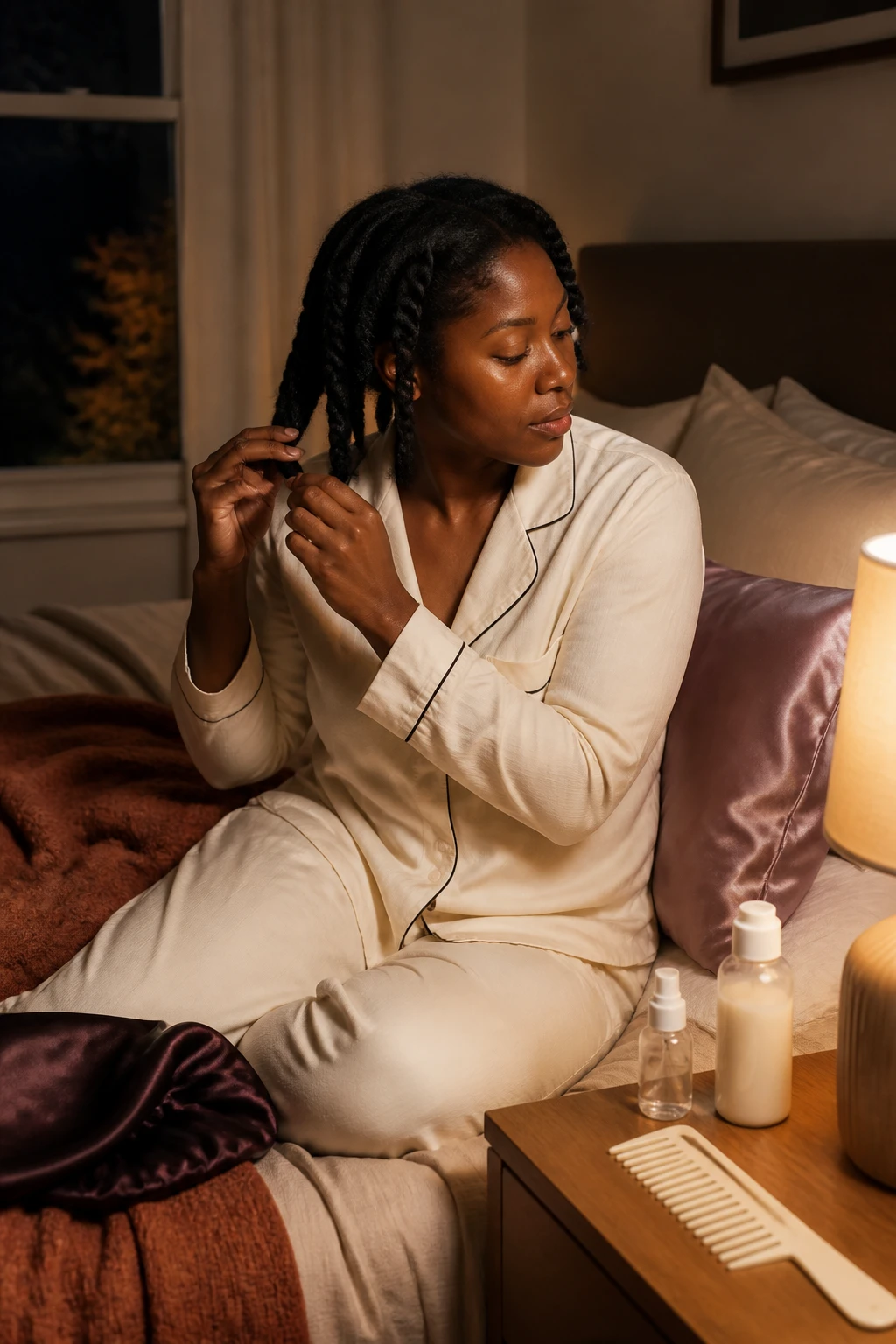
Protecting your hair at night can help your wash day, blowout, curls, or protective style last longer without daily restyling.
Before bed, remove tight clips, heavy extensions, or accessories that place pressure on one area. Gently braid, twist, wrap, or loosely secure the hair according to its texture and current style.
Use a satin or silk bonnet, scarf, or pillowcase to reduce friction. Make sure bonnets and scarves are washed regularly, especially when they collect oils, sweat, and styling products.
In the morning, reshape your hair with your hands and a small amount of moisture or product rather than brushing everything out and starting again.
13. Complete a Weekly Breakage and Shedding Check
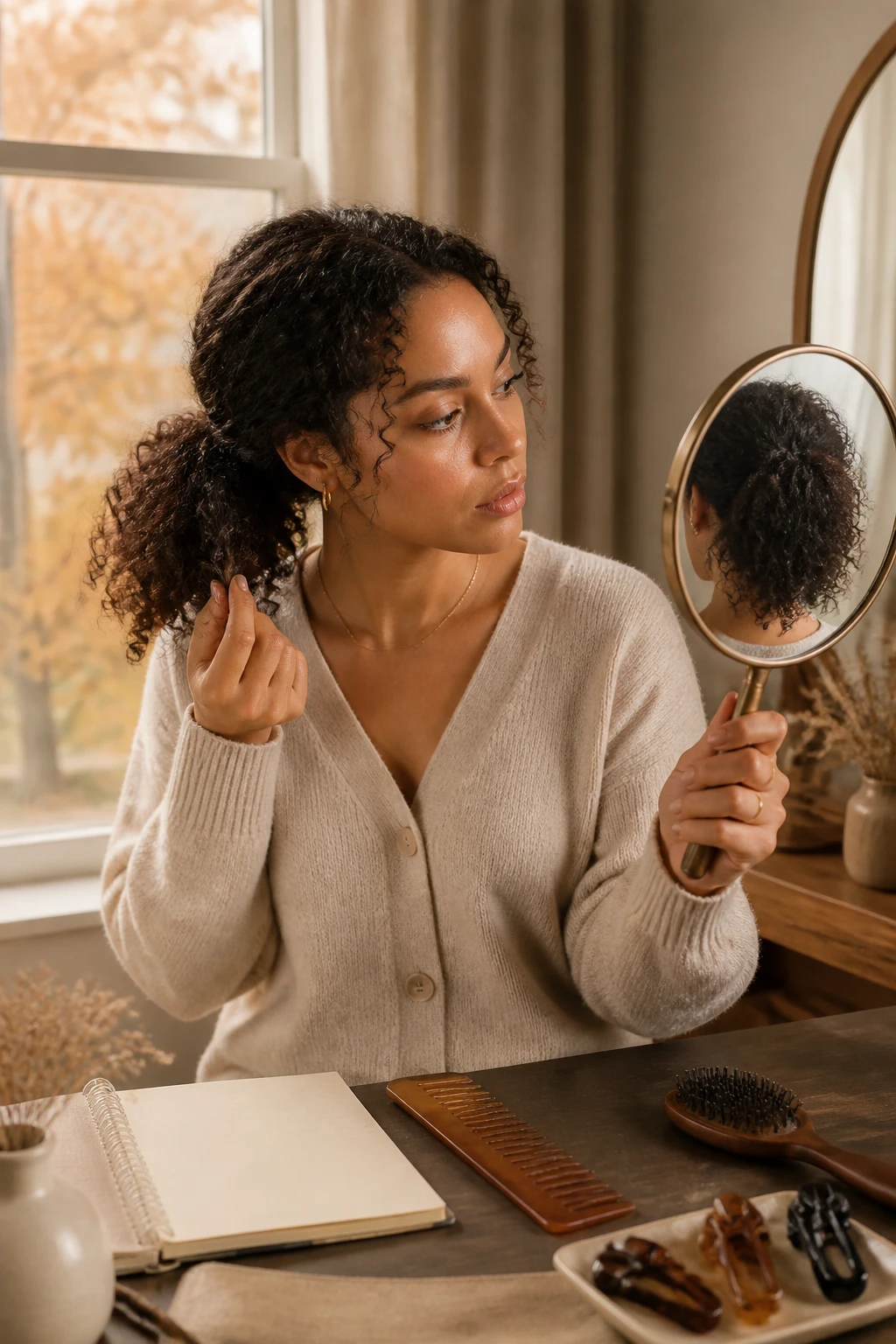
Notice what happens to your hair between wash days. Check for short broken pieces, splitting ends, tangling in one area, thinning edges, a widening part, or changes in ponytail fullness.
Some daily shedding is normal. However, a noticeable increase in shedding, bald patches, scalp pain, a widening part, or ongoing thinning deserves attention. The AAD notes that early signs of hair loss can include gradual thinning, a receding hairline, less fullness, or a widening part.
Photograph the same areas in similar lighting every few weeks if you are concerned. This may make gradual changes easier to recognize.
Avoid immediately buying growth oils or supplements without understanding the cause. A dermatologist can examine both your scalp and hair and recommend care based on the type of shedding or hair loss involved.
Build a Fall Haircare Routine Around Your Hair
The best fall haircare routine depends on your scalp, texture, density, styling habits, chemical treatments, and local weather. Straight hair may need lighter conditioning and more frequent cleansing, while curly or coily hair may need longer detangling sessions and more attention to moisture.
Begin with a clean scalp, regular conditioning, gentle drying, and reduced heat. Add deeper treatments only when they solve a real problem. Most importantly, avoid routines that hurt, burn, pull, or leave your scalp constantly irritated.
Choose three or four changes from this list and follow them consistently before replacing your entire routine. Healthy-looking fall hair usually comes from regular gentle care, not from using the largest possible number of products.