





Table of Contents Show
Moving from summer into fall does not mean you need to replace your entire skincare routine. Your skin may still be oily or acne-prone, but cooler air, wind, indoor heating, and longer hot showers can also make it feel tighter or more sensitive.
The easiest approach is to keep the products that still work and change only what your skin is asking for.
This may mean switching to a gentler cleanser, applying a little more moisturizer, reducing exfoliation, or giving dry areas extra care. Sunscreen should remain part of your routine throughout the season.
Start by Checking How Your Skin Has Changed

Before buying anything, notice how your skin behaves after cleansing and throughout the day.
Ask yourself:
- Does my face feel tight after washing?
- Are my cheeks becoming rough or flaky?
- Is my forehead still oily?
- Do my usual treatments now sting?
- Are my lips or hands becoming dry?
- Is makeup clinging to dry patches?
- Am I seeing more irritation than usual?
These answers will tell you which part of your routine needs attention. A cleanser that leaves your face tight may need to be replaced, while an oily T-zone with comfortable cheeks may only require a small moisturizer adjustment.
Do not assume that fall automatically turns every skin type dry. Oily skin can remain oily, and acne-prone skin may still need lightweight, non-comedogenic products. Dermatologists recommend choosing products according to your skin type rather than following one seasonal routine for everyone.
Keep the Basic Structure of Your Routine
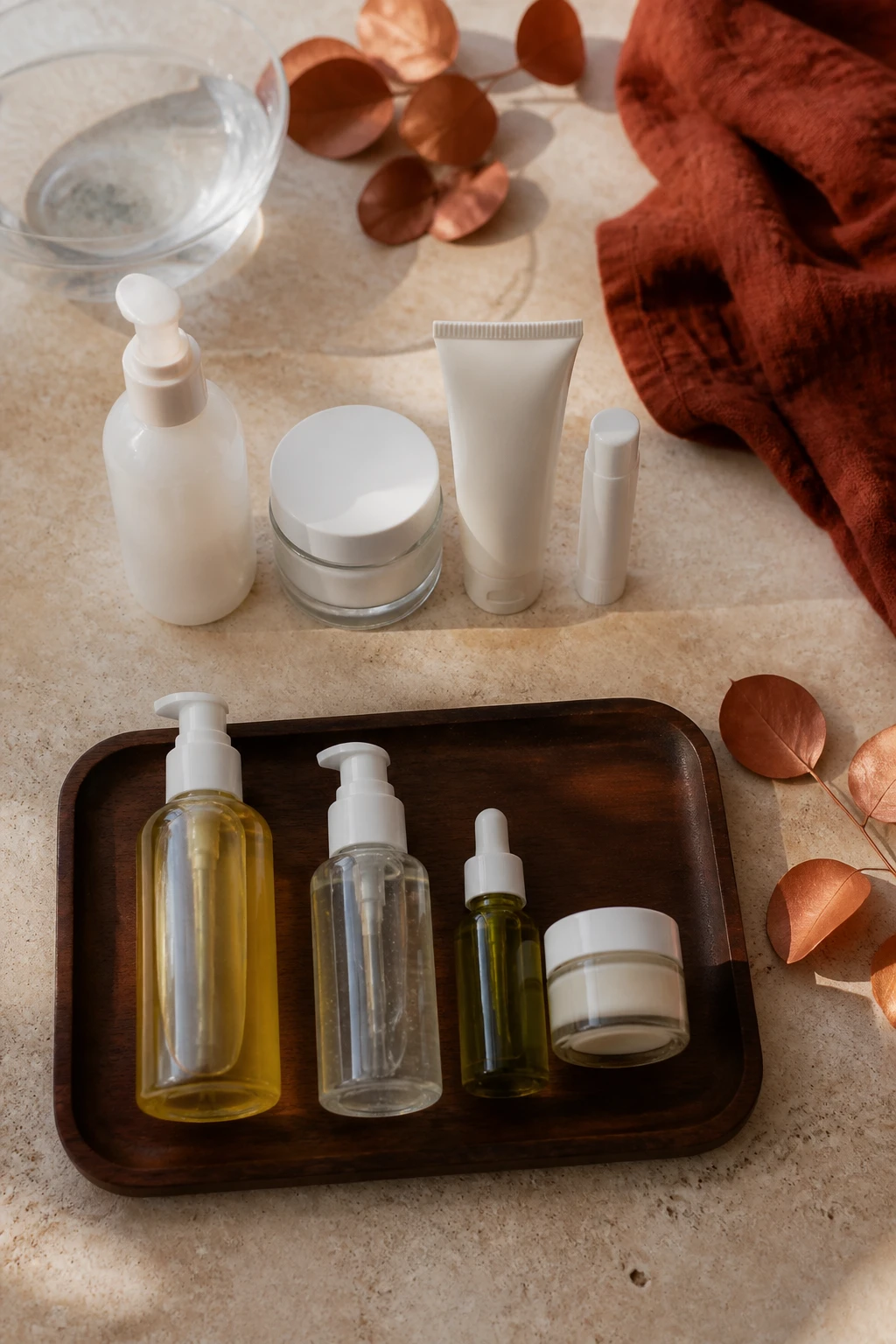
Your routine can keep the same basic order as summer.
Morning
- Cleanse or rinse.
- Apply an optional treatment.
- Moisturize.
- Apply sunscreen.
- Protect your lips.
Evening
- Remove makeup and sunscreen.
- Cleanse gently.
- Apply one treatment when needed.
- Moisturize.
- Add ointment to very dry areas.
You may change the texture or frequency of a product without changing the entire routine. For example, you could keep your current serum and sunscreen while switching from a very light moisturizer to a medium-weight lotion.
A simple routine is often easier to maintain and makes it easier to identify which product is causing irritation. Dermatologists recommend introducing one new product at a time rather than making several changes together.
Switch to a Gentler Cleanser Only When Needed

You do not need to replace your cleanser simply because the calendar says fall. Keep it when your skin feels clean, calm, and comfortable after washing.
Consider changing it when your face feels tight, dry, itchy, or irritated. Look for a gentle, non-abrasive cleanser that does not contain drying alcohol. Use lukewarm water and massage with your fingertips instead of a rough cloth or facial brush.
People with oily skin may still prefer a light foaming or gel cleanser. Dry and sensitive skin may feel better with a creamy or lotion-like formula. Acne-prone skin can use a cleanser labeled non-comedogenic, which means it is designed not to clog pores in most people.
Wash your face no more than necessary. For many people, this means morning, evening, and after heavy sweating. Washing repeatedly throughout the day can increase irritation.
Adjust Your Moisturizer Instead of Adding Several Serums

Moisturizer is usually the easiest part of a routine to adjust for fall. You may not need additional toners, essences, oils, and masks when a better moisturizer can solve the problem.
Choose the texture based on your skin:
- Dry skin: Try a cream or richer lotion.
- Oily skin: Use a lightweight, oil-free gel or lotion.
- Combination skin: Apply more moisturizer to dry areas and less through the T-zone.
- Sensitive skin: Look for a mild, fragrance-free formula.
- Acne-prone skin: Choose a product labeled non-comedogenic.
Dermatologists recommend applying moisturizer while the skin is still slightly damp because this helps trap water in the skin. They also note that oily and acne-prone skin may still need moisturizer, especially when weather or treatment products cause dryness.
Creams and ointments generally hold moisture better than thin lotions when skin becomes very dry. You do not need to apply the heaviest texture everywhere. A richer product can be used only on the cheeks, around the mouth, or on another dry area.
Keep Sunscreen in Your Morning Routine

Sunscreen is not a summer-only product. Continue using a broad-spectrum, water-resistant sunscreen with SPF 30 or higher on exposed skin before going outdoors.
You may want to change the texture for fall rather than stop using it. Dry skin may prefer a moisturizing cream sunscreen, while oily or acne-prone skin may feel more comfortable with a gel or non-comedogenic fluid.
People with medium and deeper skin tones may prefer tinted sunscreen because it is often less likely to leave an obvious white cast.
Apply it to your face, neck, ears, and other areas that remain uncovered. Reapply during extended outdoor time according to the product directions.
Reduce Exfoliation Before Your Skin Becomes Irritated

Skin that tolerated regular exfoliation during humid summer weather may become more sensitive as the air changes.
Reduce the frequency when you notice:
- Stinging
- Redness or unusual discoloration
- Peeling
- Tightness
- Increased sensitivity
- Burning when applying moisturizer
- Rough patches that become worse after exfoliating
Avoid using a facial scrub, cleansing brush, exfoliating acid, retinoid, and peel within the same routine. Dermatologists warn that exfoliating while using products such as retinol, prescription retinoids, or benzoyl peroxide can worsen dryness and irritation.
Do not scrub visible flakes away. Flaking can be a sign that your skin barrier is irritated and needs gentler care, not stronger exfoliation.
Review How Often You Use Retinoids and Acne Treatments
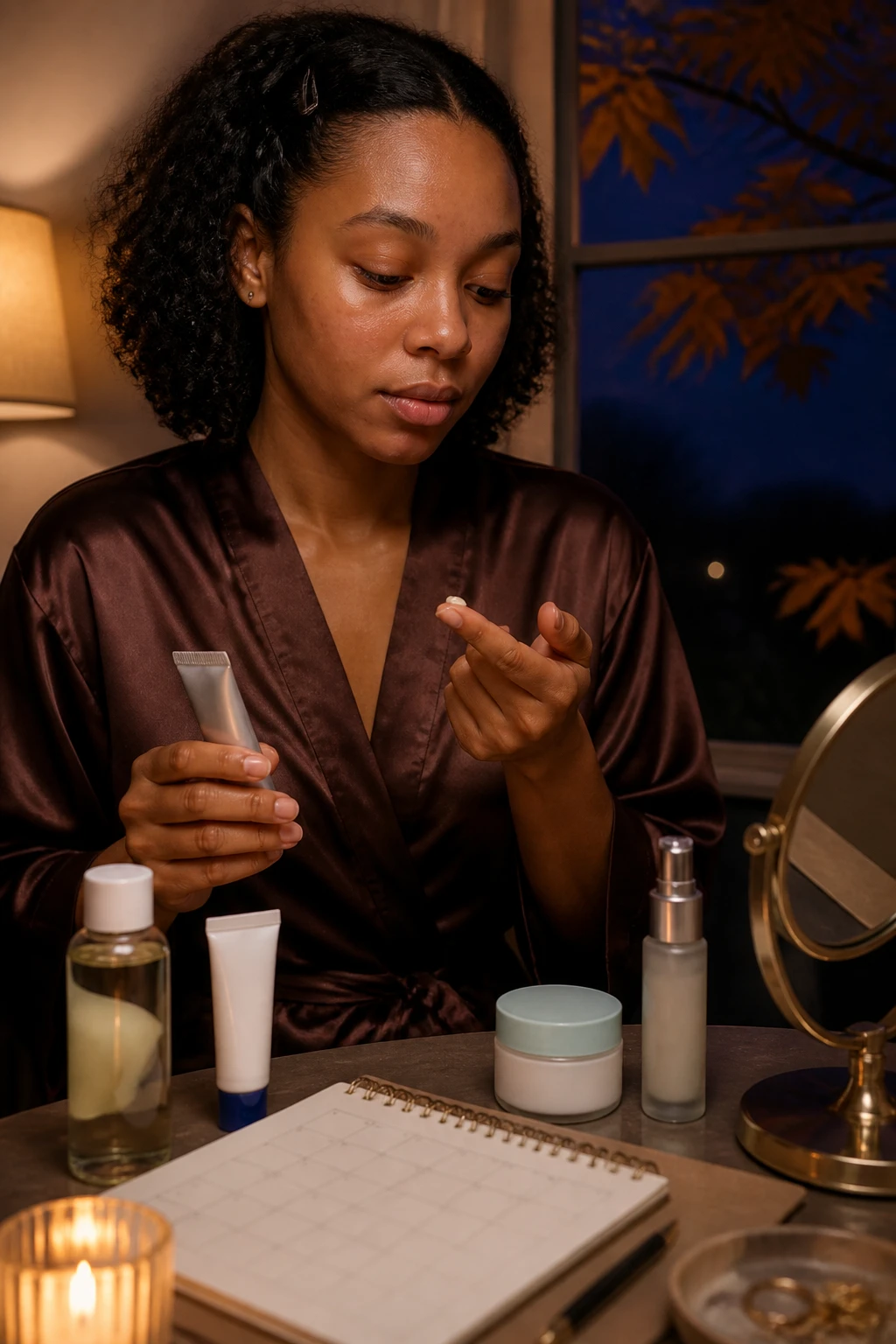
You do not have to stop an effective treatment when fall begins. You may need to review how frequently you use it when your skin becomes drier or more sensitive.
Retinoids, salicylic acid, glycolic acid, and benzoyl peroxide can all cause dryness or irritation. Avoid increasing several products at once, and do not assume that more frequent application will produce faster results.
Use treatments according to their directions. Add moisturizer to support your skin, especially when acne treatments leave it dry.
Do not stop or change a prescribed treatment without speaking with the professional who recommended it. They may suggest changing the frequency, amount, product texture, or moisturizer rather than stopping it completely.
Add Lip, Hand, and Body Care Early

Do not wait until your lips crack and your legs become visibly flaky before adding body care.
Keep lip balm, hand cream, and body moisturizer somewhere easy to reach. Apply hand cream after washing and body cream within a few minutes of bathing while the skin is still damp.
When dryness is significant, creams and ointments generally work better than thin lotions. Petroleum jelly can also protect dry lips and small rough areas by reducing moisture loss.
Choose fragrance-free products when your skin is sensitive, itchy, or easily irritated. Fragrance-free and unscented are not always the same, since an unscented formula may contain ingredients that cover another smell.
Shorten Hot Showers Gradually

Long, steaming showers can feel comforting during colder weather, but hot water and extended bathing may worsen dryness.
Dermatologists recommend keeping showers or baths around five to ten minutes when dry skin is a problem and using warm rather than hot water. Pat your skin gently instead of rubbing, leave it slightly damp, and apply moisturizer soon afterward.
You do not need to make a dramatic change on the first cold day. Lower the temperature slightly and shorten your shower by a few minutes until the routine feels normal.
Use cleanser mainly where it is needed instead of heavily soaping every dry area each day.
Introduce New Products One at a Time

Avoid buying an entirely new fall routine and beginning everything on the same night. When your skin reacts, you will not know which product caused the problem.
Introduce one new product and give your skin time to respond. Dermatologists recommend testing a small amount before applying a new product widely, especially when your skin is sensitive.
For a simple at-home test, apply the product to a small area such as the inner arm according to dermatologist guidance and observe the area for redness, itching, swelling, or another reaction before using it more widely.
A personal patch test cannot identify every allergy or guarantee that your face will tolerate the product. Stop using a product that causes a concerning reaction and seek professional advice when the reaction is severe or persistent.
Follow a Simple Two-Week Fall Transition

Making changes in stages is easier on your skin and your budget.
Week One: Protect the Basics
- Keep your current sunscreen.
- Check whether your cleanser feels too harsh.
- Apply moisturizer to slightly damp skin.
- Begin using hand cream and lip balm more regularly.
- Shorten very hot showers.
- Reduce exfoliation when your skin feels sensitive.
Week Two: Fine-Tune the Routine
- Change your moisturizer texture when necessary.
- Add one hydrating or treatment product only when it solves a clear concern.
- Patch-test unfamiliar products.
- Create treatment-free evenings when your skin feels irritated.
- Apply richer cream only to areas that need it.
Do not force yourself to complete the transition within exactly two weeks. People living in warmer climates may need fewer changes, while someone in a cold, dry area may need to adjust earlier.
How to Transition by Skin Type
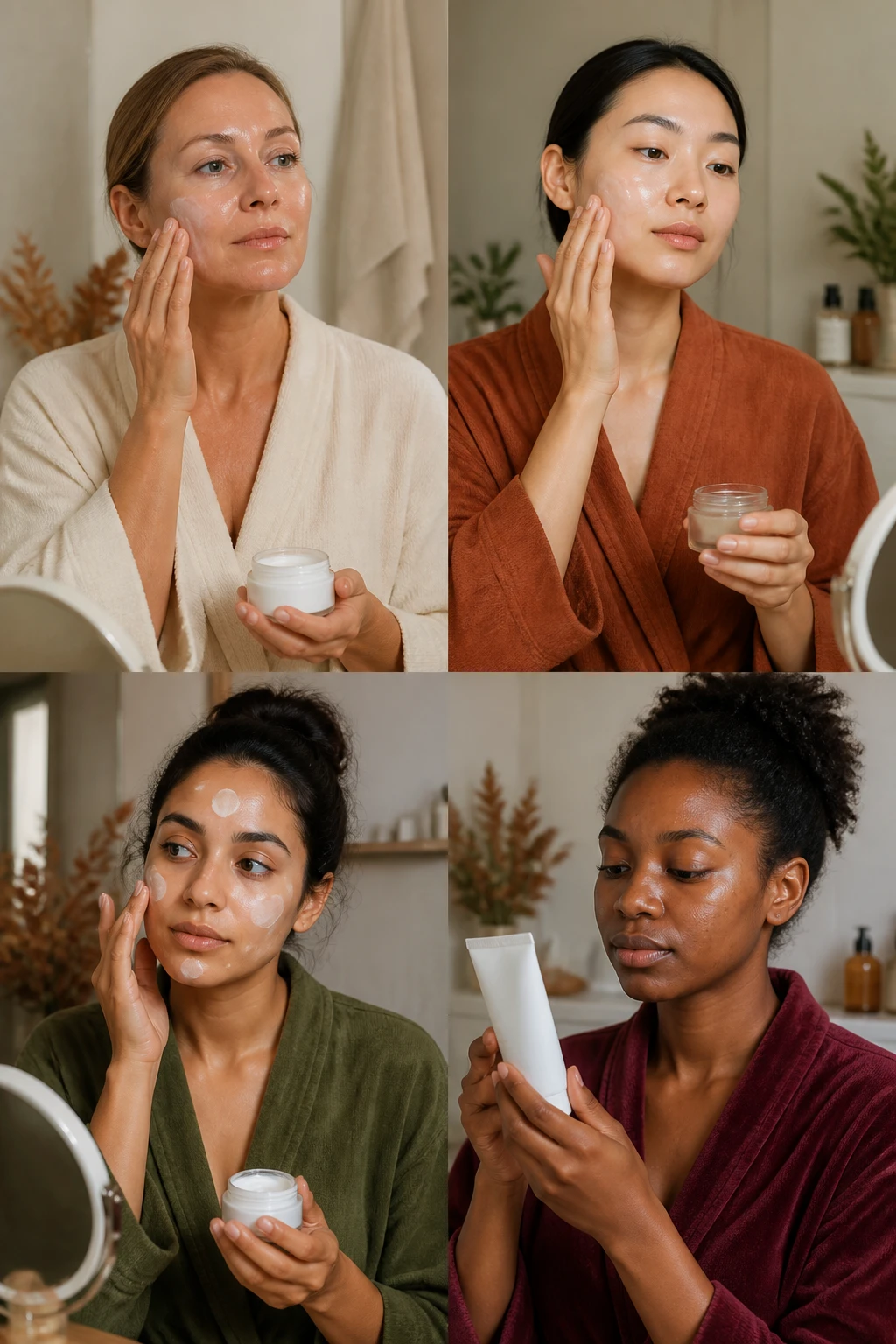
1. Dry Skin
Switch to a creamy cleanser when your current wash feels stripping. Use a cream moisturizer, apply it to damp skin, and add ointment only to stubborn dry areas. Dermatologists recommend creams and ointments over thin lotions for very dry skin.
2. Oily Skin
Keep a gentle foaming cleanser when it remains comfortable. Continue using an oil-free, non-comedogenic moisturizer and sunscreen rather than skipping moisture entirely.
3. Combination Skin
Treat different areas according to their needs. Use a light layer through the oily T-zone and more moisturizer on dry cheeks or around the mouth.
4. Acne-Prone Skin
Choose non-comedogenic skincare, sunscreen, makeup, and hair products. Continue your acne treatment according to its instructions and add moisturizer when it causes dryness.
5. Sensitive Skin
Look for mild, fragrance-free products and make one change at a time. Patch-test new products before applying them widely.
6. Melanin-Rich Skin
Dryness and ashiness may become more visible as the weather cools. Apply moisturizer to damp skin, continue sunscreen, and avoid irritation that may contribute to lingering discoloration.
Fall Skincare Transition Mistakes to Avoid

Avoid these common mistakes:
- Replacing every product at once
- Buying a rich cream when your oily skin does not need one
- Skipping moisturizer because you have acne
- Stopping sunscreen when summer ends
- Scrubbing away dry flakes
- Adding several acids to correct seasonal dullness
- Taking longer, hotter showers
- Ignoring dryness on the lips, hands, and body
- Continuing a product that repeatedly burns or stings
- Assuming expensive products will work better
- Changing prescribed treatment without medical advice
Your fall transition should make your skin feel more comfortable. It should not leave it sore, burning, heavily peeling, or covered in new irritation.
When to Ask a Dermatologist for Help

Seasonal skincare adjustments should not replace medical care for a persistent skin problem.
See a dermatologist when you notice:
- Repeated cracking or bleeding
- Severe itching
- Painful or deep acne
- A spreading rash
- Swelling, oozing, or crusting
- Burning from basic products
- Sudden areas of darkening or lightening
- Dryness that does not improve
- A known skin condition becoming worse
Dermatologists recommend professional care when severe dryness persists or a skin condition continues to worsen despite gentle home care.
Make the Transition Based on Your Skin, Not the Season
An easy fall transition is mostly about small adjustments. Keep your sunscreen, retain treatments that are working, and change your cleanser or moisturizer only when your skin shows that it needs something different.
Begin by protecting your skin barrier. Cleanse gently, moisturize while your skin is slightly damp, reduce unnecessary exfoliation, and care for your lips, hands, and body before they become severely dry.
Give each change time to work. Your fall routine should feel familiar, practical, and comfortable, not like an entirely new skincare project.