




Table of Contents Show
Fall can affect melanin-rich skin in several ways. Cooler air and indoor heating may make dryness and ashiness more noticeable, while acne, irritation, and harsh products can leave dark marks that last longer than the original breakout. This means a good seasonal routine should do more than add a heavy cream.
It should protect the skin barrier, prevent unnecessary inflammation, treat breakouts early, and guard against the sunlight and visible light that can deepen discoloration.
It is also important to remember that dark skin is a skin tone, not a skin type. Melanin-rich skin can be dry, oily, sensitive, combination, acne-prone, or affected by eczema. Use this guide as a foundation, then adjust the product textures and treatments to match how your skin actually behaves.
Your Fall Skincare Routine at a Glance
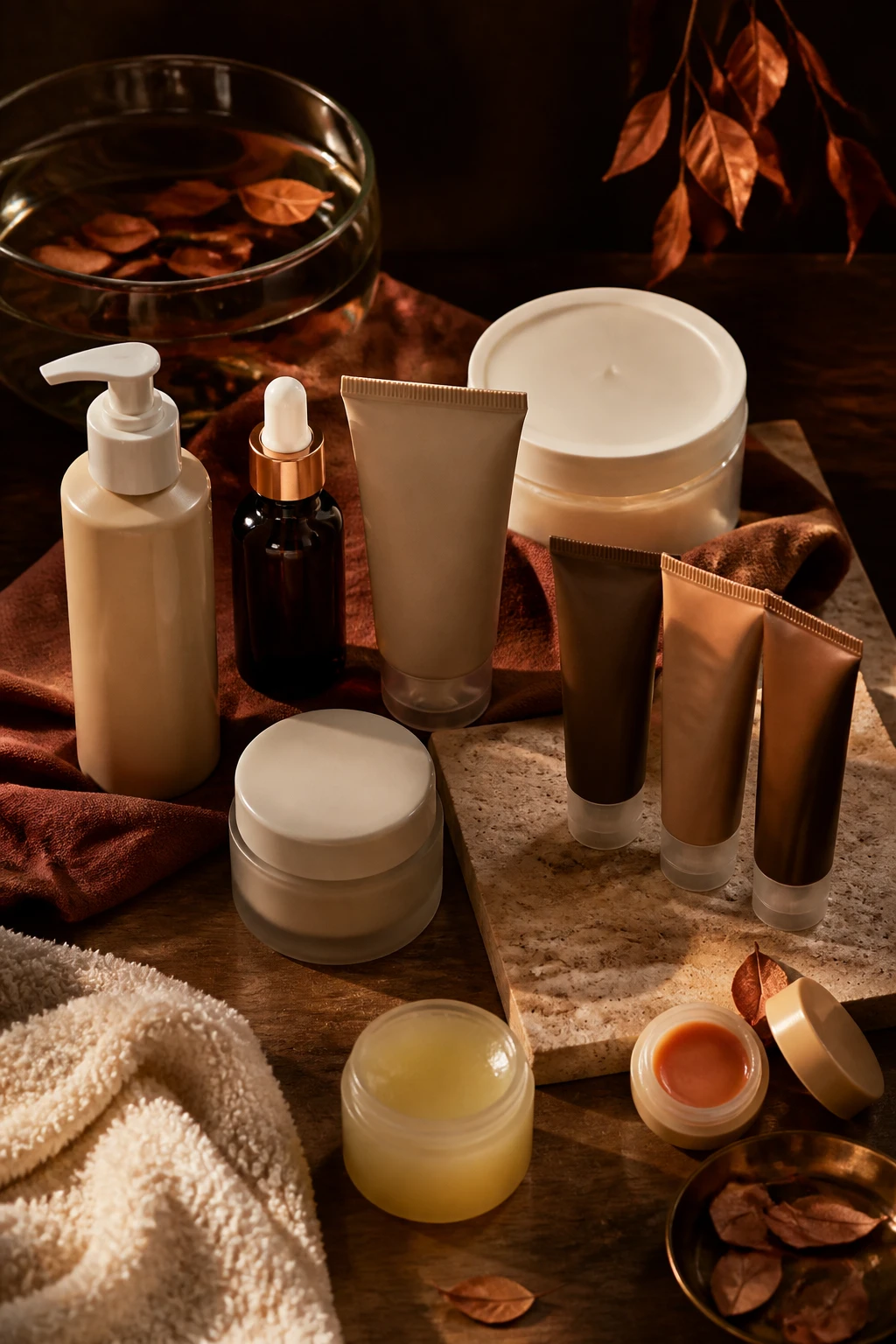
A practical fall routine can look like this:
Morning:
- Rinse or cleanse gently.
- Apply one optional treatment or antioxidant.
- Moisturize according to your skin type.
- Apply tinted broad-spectrum sunscreen.
- Protect your lips and exposed body skin.
Evening:
- Remove makeup and sunscreen.
- Cleanse without scrubbing.
- Treat acne or dark spots with one suitable active.
- Apply moisturizer.
- Seal very dry areas when necessary.
Weekly:
- Check for irritation, new breakouts, and dry patches.
- Exfoliate gently only when your skin tolerates it.
- Clean makeup brushes, pillowcases, hats, and headbands.
- Give your skin rest nights without strong treatments.
The goal is not to use every possible product. Gentle, consistent care is especially important because irritation and inflammation can trigger lingering discoloration in medium and deeper skin tones.
The Best Fall Morning Routine for Dark Skin
Step 1: Cleanse Without Stripping Your Skin
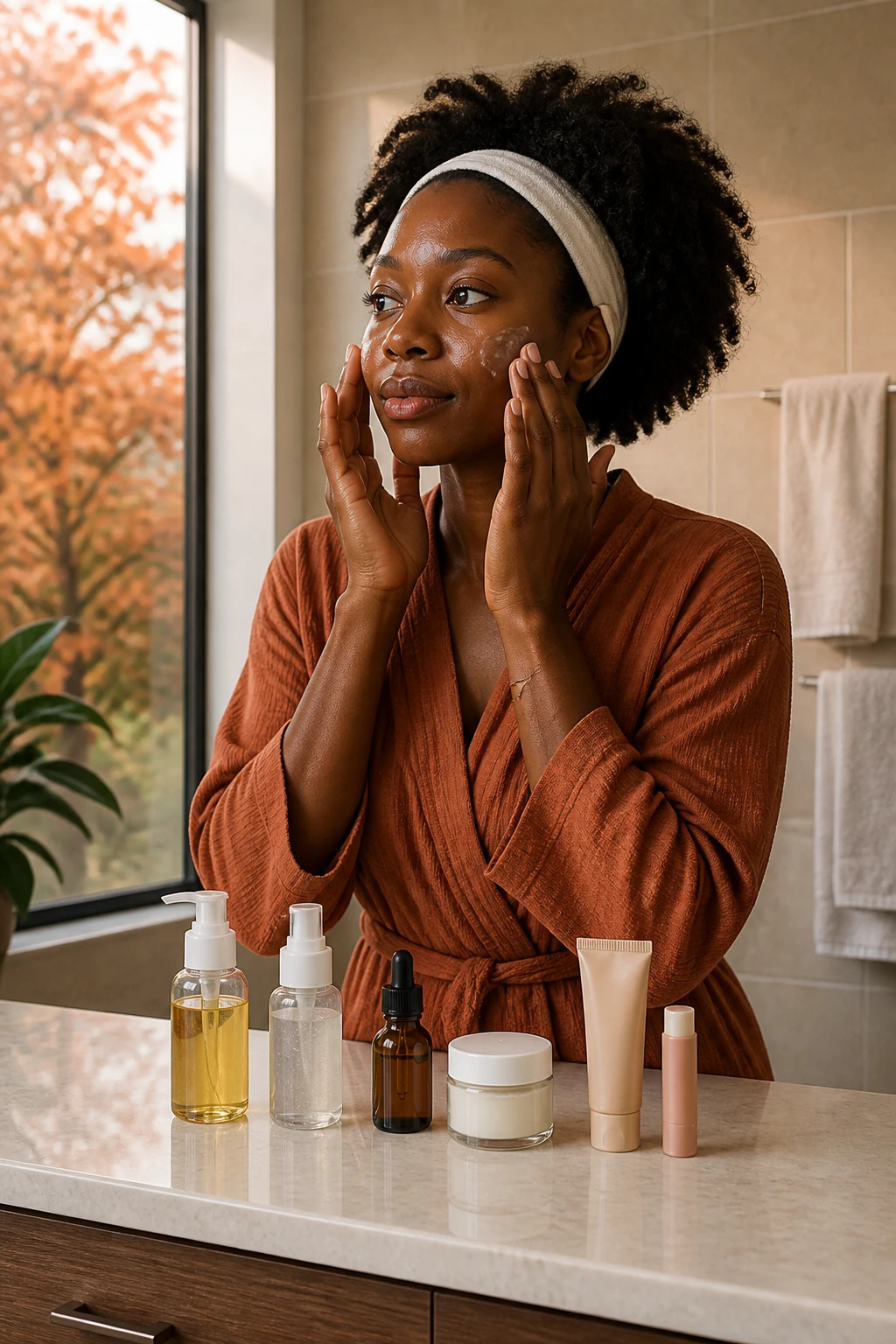
Use a gentle cleanser in the morning when you wake up oily, sweaty, or covered in heavy nighttime products. When your skin is dry and already feels clean, a lukewarm-water rinse may be enough.
Apply cleanser with your fingertips and rinse carefully. Avoid rough cloths, facial brushes, strong deodorant soaps, and very hot water. These habits can weaken comfort, increase dryness, and make irritation more visible on melanin-rich skin.
Your skin should feel fresh after cleansing, not squeaky, sore, or tight. Burning and tightness are signs that your cleanser, water temperature, or washing frequency may be too aggressive.
Step 2: Add One Optional Brightening or Antioxidant Product
A morning treatment is optional. Your routine can still be complete with cleanser, moisturizer, and sunscreen.
When uneven tone or dullness is a concern, vitamin C may be a useful option. Dermatologists also list azelaic acid, glycolic acid, kojic acid, and retinoids among ingredients that can help fade dark spots, although these products should not all be used together.
Begin with one product and introduce it slowly. Stop using anything that repeatedly burns, stings, or causes a rash. Irritation can create more discoloration instead of improving the tone of your skin.
Step 3: Moisturize According to Your Skin Type
Melanin-rich skin can look gray or ashy when it becomes dry because flaking is often more visible against a deeper skin tone. A moisturizer containing ceramides can help seal in moisture and reduce that dry appearance.
Choose the texture according to your skin type:
- Dry skin: Use a cream with ceramides, glycerin, or petrolatum.
- Oily skin: Use a lightweight lotion or gel-cream labeled non-comedogenic.
- Combination skin: Use more cream on dry areas and a lighter layer through the T-zone.
- Sensitive skin: Choose a fragrance-free formula with a short ingredient list.
- Acne-prone skin: Avoid heavy products on the face when they repeatedly clog your pores.
Apply moisturizer while your skin is still slightly damp. This helps trap some of the water left after cleansing.
Choose a Tinted Sunscreen That Matches Dark Skin
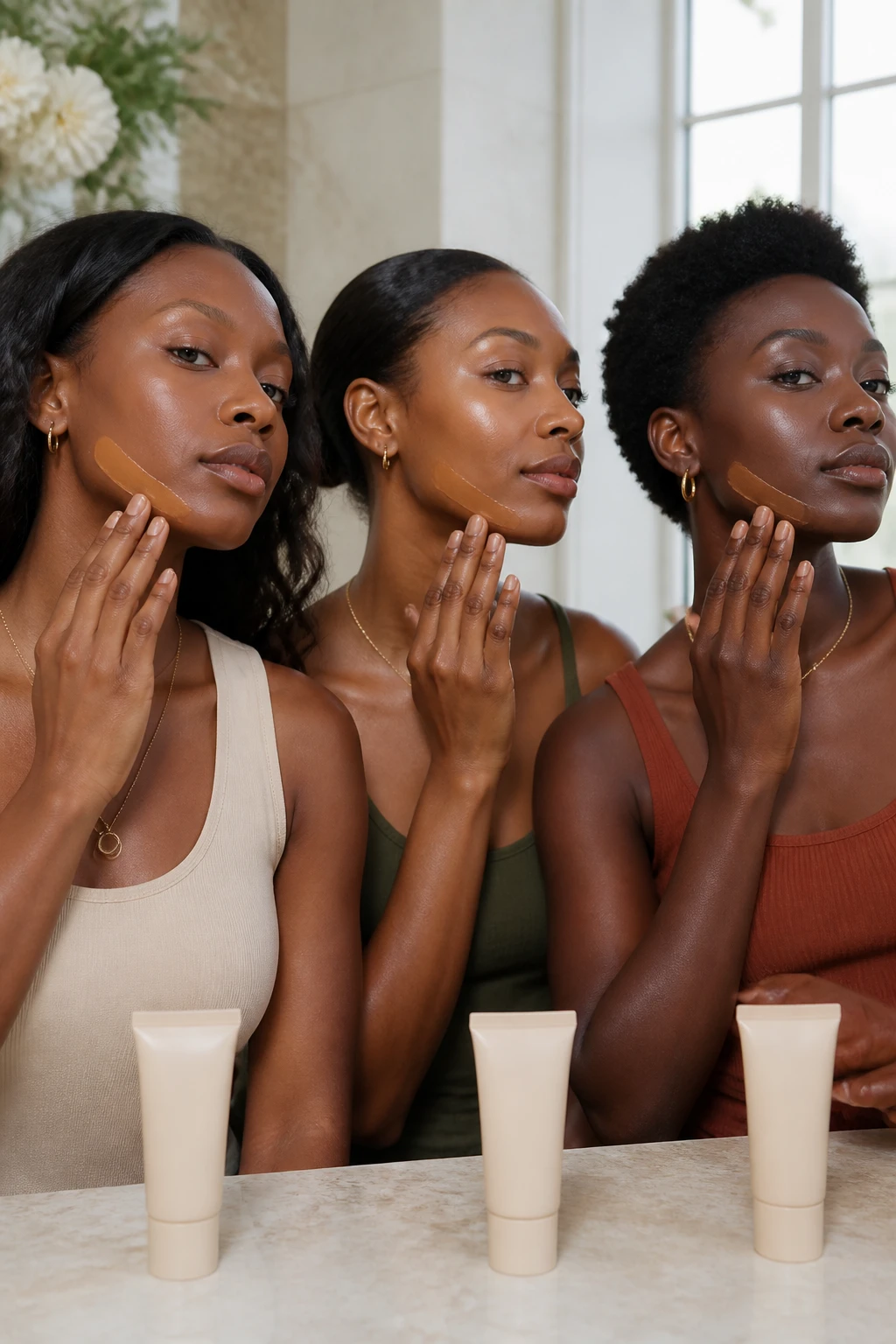
Sunscreen is one of the most important steps for preventing and treating dark spots. Visible light from the sun can worsen hyperpigmentation, particularly in darker skin tones. The AAD recommends a tinted, broad-spectrum sunscreen with SPF 30 or higher, and iron oxide for visible-light protection.
Look for a formula that offers:
- SPF 30 or higher
- Broad-spectrum UVA and UVB protection
- Water resistance
- Iron oxides in the inactive ingredients
- A tint that blends with your undertone
- A non-comedogenic texture when you are acne-prone
Tinted formulas can reduce the white or gray cast that some sunscreens leave on dark skin. They can also provide additional protection against visible light that may deepen dark marks.
Apply sunscreen to the face, neck, ears, hairline, and other exposed skin. Reapply during extended outdoor time and after sweating, following the product instructions. Sunscreen should be paired with shade, hats, and protective clothing rather than treated as your only form of protection.
The Best Fall Evening Routine for Dark Skin
Step 1: Remove Makeup and Sunscreen
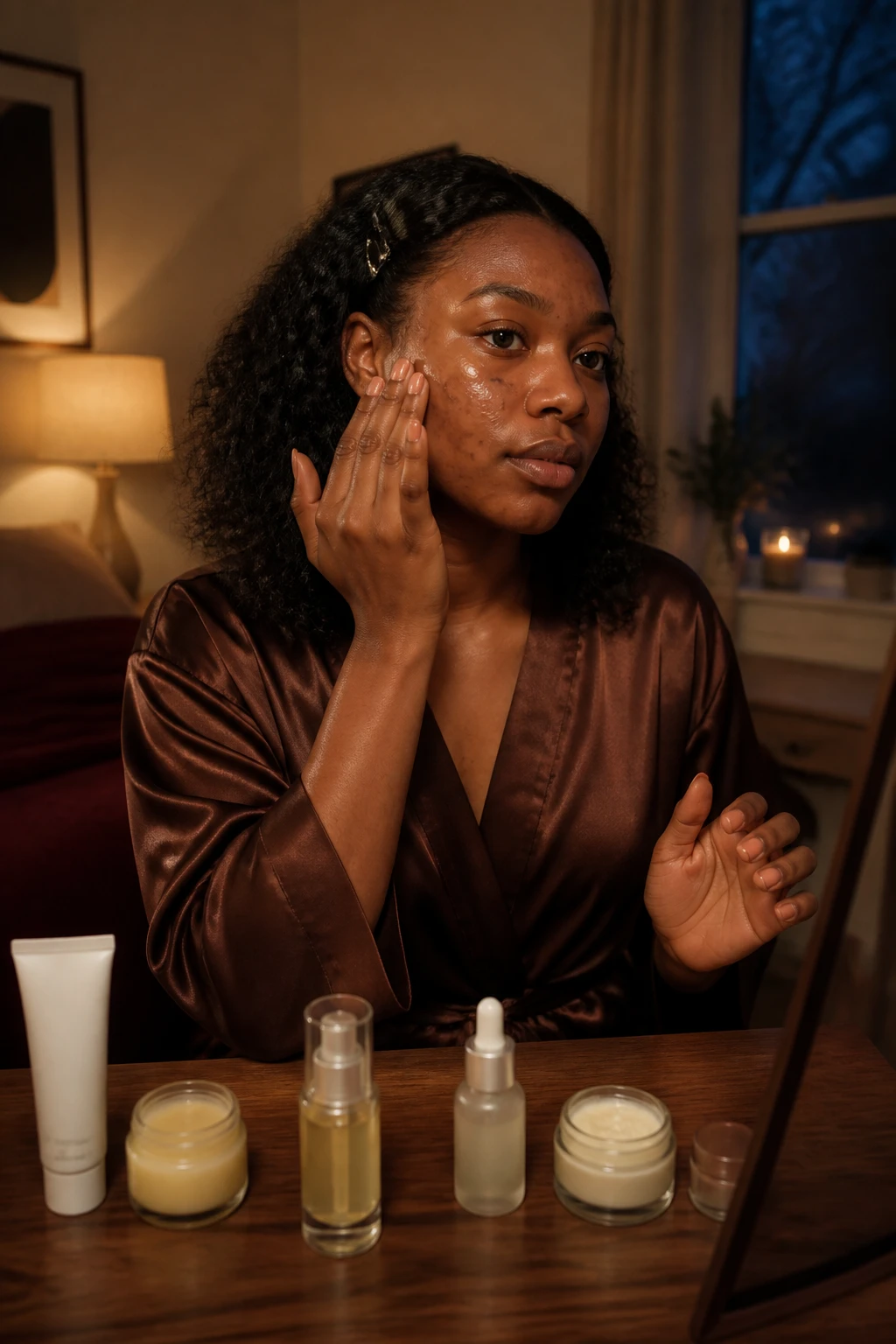
Use a gentle makeup remover, cleansing balm, or micellar water when you wear makeup or water-resistant sunscreen. Give the product time to dissolve what is on your skin instead of wiping repeatedly.
Follow with a mild cleanser when residue remains. Scrubbing dark marks, blackheads, or rough areas will not make them disappear more quickly and may increase inflammation.
Step 2: Apply One Treatment for Your Main Concern
Choose the treatment according to what you are trying to improve.
For acne and clogged pores:
- Salicylic acid
- Adapalene or another suitable retinoid
- Low-strength benzoyl peroxide
- Azelaic acid
For dark spots and uneven tone:
- Azelaic acid
- Vitamin C
- Retinoid
- Glycolic acid
- Kojic acid
These ingredients can be useful, but they should not all be introduced together. Retinoids can unclog pores and help fade dark spots, while salicylic acid helps unclog pores and benzoyl peroxide treats acne-causing bacteria.
When using benzoyl peroxide, starting with a lower strength such as 2.5% may reduce dryness and flaking. Benzoyl peroxide does not bleach the skin, although it can bleach towels, bedding, and clothing.
Follow the label or your dermatologist’s directions. Retinoids generally require special caution during pregnancy, so discuss safer options with a healthcare professional.
Step 3: Moisturize Every Night
Apply moisturizer after your treatment, unless the product or prescription directions recommend a different order.
Oily and acne-prone skin still needs moisturizer. Choose a non-comedogenic lotion or gel-cream rather than skipping the step entirely. Dry or sensitive skin may need a richer ceramide cream.
When a treatment causes repeated burning, swelling, heavy peeling, or severe irritation, stop adding more actives and seek professional advice.
How to Treat Dark Spots Without Irritating Dark Skin
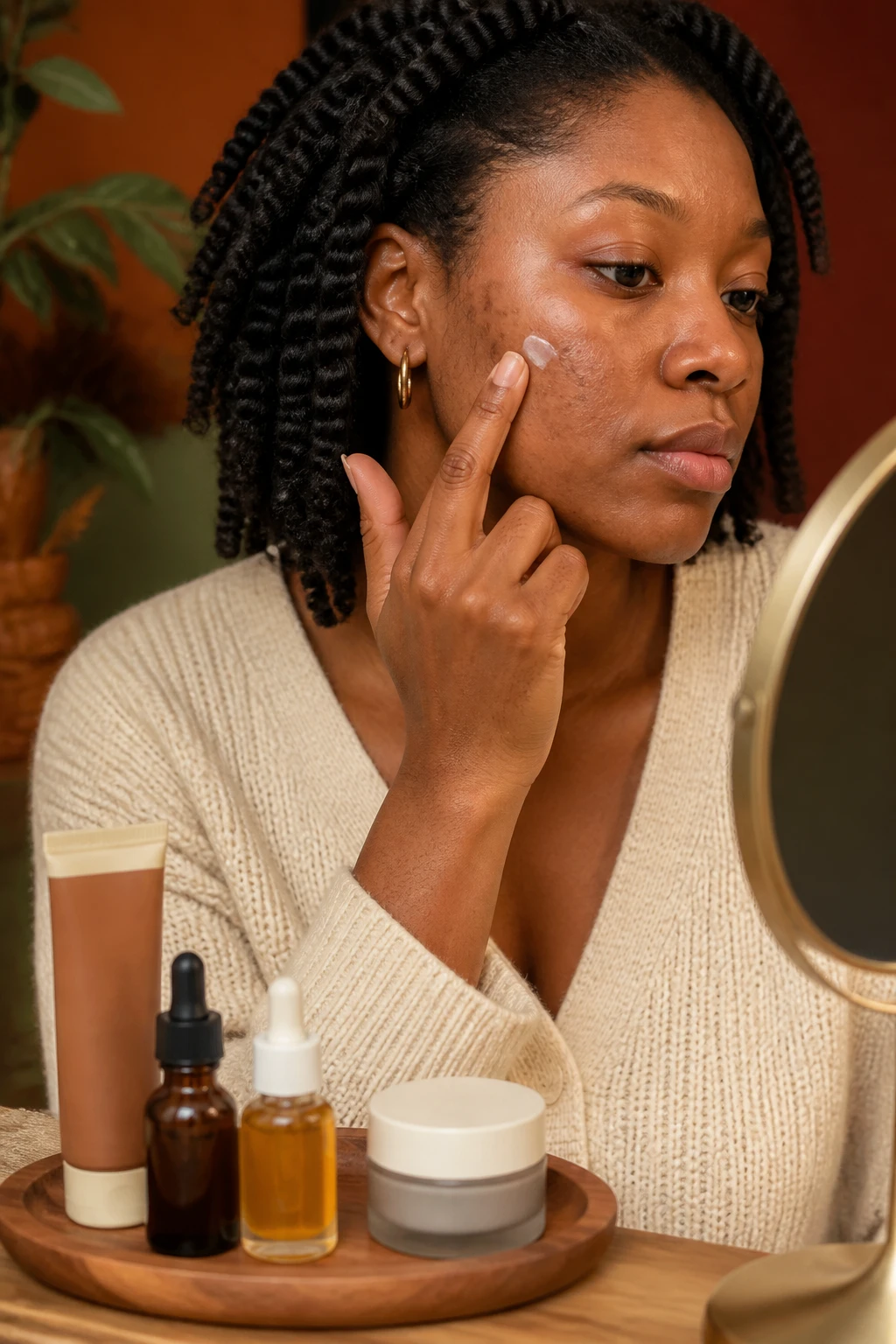
Dark spots often develop after acne, eczema, burns, cuts, or irritating products. This is called post-inflammatory hyperpigmentation. In medium and darker skin tones, these flat marks may appear brown, deep brown, or bluish gray. They are not always true scars and can fade over time.
The first step is to stop whatever is causing the inflammation. Treating only the mark while allowing acne or irritation to continue will lead to new spots. Dermatologists recommend treating acne and the resulting discoloration at the same time.
A dark-spot routine may include:
- Gentle cleansing
- One brightening treatment
- Moisturizer
- Tinted sunscreen with iron oxide
- Consistent treatment of acne, eczema, or another cause
Fading takes time. A spot only a few shades darker than your natural tone may take several months to fade, while deeper discoloration can take much longer.
Avoid unlabelled bleaching creams, unknown mixtures, and products that promise extremely fast lightening. The AAD warns that some imported lightening products have contained undisclosed steroids or mercury, which can cause rashes, thinning, fragility, or permanent discoloration. Never apply household bleach to the skin.
A Fall Acne Routine for Melanin-Rich Skin
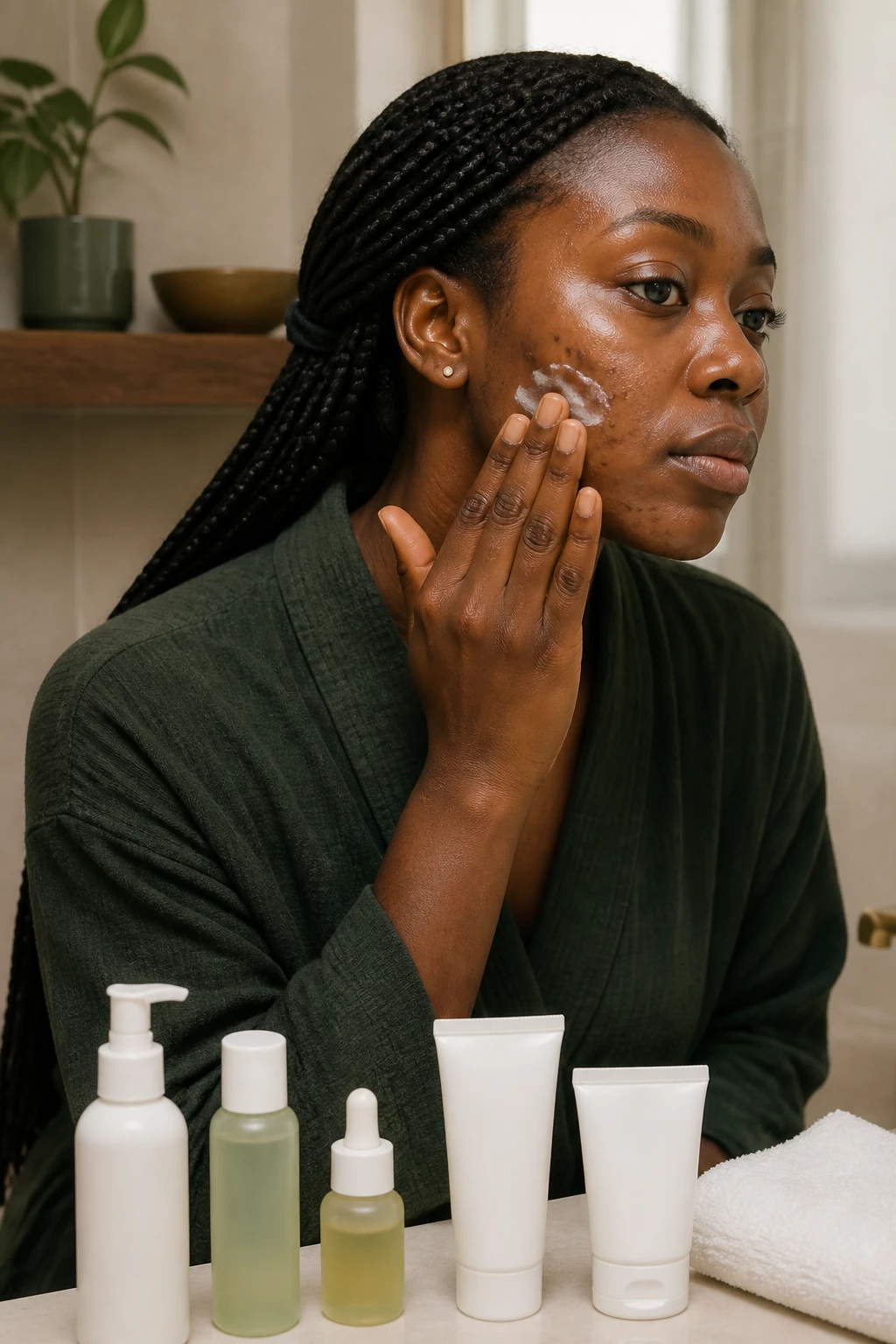
Treat acne early rather than waiting until it becomes painful or widespread. In skin of color, worsening acne can increase the chance of lingering dark spots and raised scars.
Use a mild cleanser, a treatment suited to your type of acne, a non-comedogenic moisturizer, and sunscreen. Apply preventive acne medication according to the instructions rather than only placing it on a spot after the pimple has fully formed.
Do not pop or squeeze blemishes. Picking increases inflammation and raises the risk of scars and long-lasting dark marks.
Check whether hair products are reaching your forehead and temples. Oils, pomades, butters, and heavy styling creams can sometimes contribute to breakouts around the hairline. Applying oily products mainly to the middle and ends of the hair may help.
See a dermatologist when acne is deep, painful, widespread, leaving scars, or producing many dark spots. Significant inflammation may require prescription treatment to prevent further marks.
Prevent Ashiness and Fall Dryness
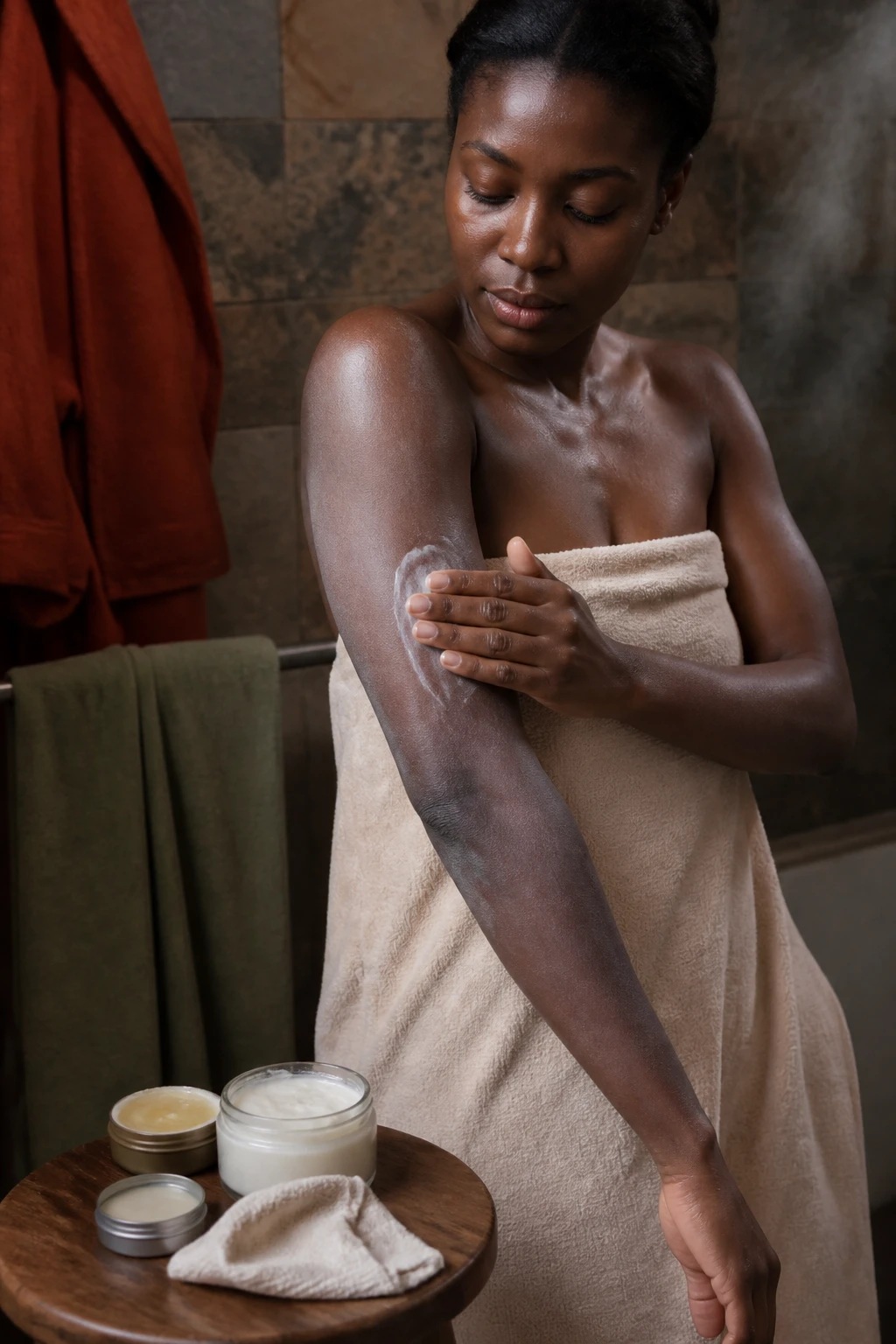
Dryness can appear whitish or gray on dark skin, making rough texture and flaking more visible. Moisturizers containing ceramides can help seal in moisture and reduce this ashy appearance.
For the face, use a moisturizer that fits your skin type. For the body, a cream or ointment is usually more effective than a thin lotion when dryness is significant.
Apply moisturizer:
- After washing your face
- Within a few minutes of bathing
- After every handwash
- Whenever elbows, knees, heels, or ankles look dry
- Before dressing when rough fabrics irritate the skin
Petroleum jelly can be placed over damp skin or over a cream to trap existing moisture. Oils and body butters may soften the skin, but an ointment or thick cream may hold moisture more effectively when the skin is extremely dry.
The Best Fall Body-Care Routine for Dark Skin
Keep showers between five and ten minutes when your skin is dry, and use warm rather than hot water. Long, hot showers can worsen moisture loss.
Use cleanser mainly on areas that need it, such as the underarms, feet, and groin. Avoid heavily soaping and scrubbing every inch of dry skin each day.
After showering:
- Pat the skin gently.
- Leave a little water on the surface.
- Apply a fragrance-free cream.
- Add ointment to very dry heels, elbows, or knees.
- Apply hand cream.
- Put on soft, breathable clothing.
Wool and tight fabrics may irritate already dry skin. Wearing a cotton or silk layer underneath rough fall sweaters can reduce rubbing.
Exfoliate Carefully to Avoid New Dark Marks
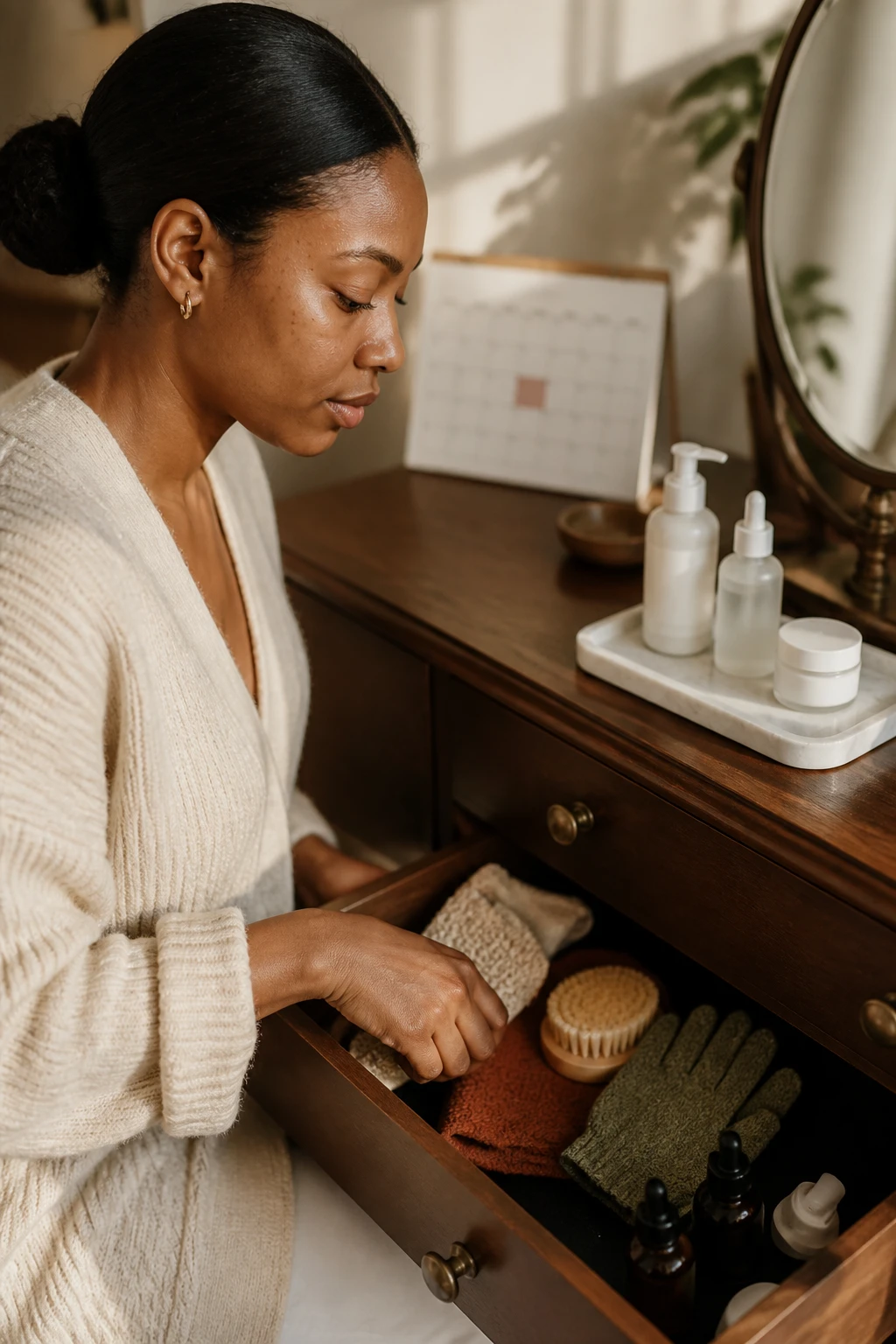
Exfoliation can help with rough texture and clogged pores, but irritation can cause or deepen hyperpigmentation. Use one exfoliating method and begin slowly.
Avoid combining a scrub, glycolic acid, salicylic acid, retinoid, cleansing brush, and peel during the same routine. When your skin feels sore, itchy, tight, or unusually sensitive, take a break from optional actives.
At-home chemical peels, microdermabrasion, lasers, and similar procedures can cause permanent dark or light marks when they are not suitable for your skin or are used incorrectly. The AAD advises consulting a dermatologist experienced in treating skin of color before undergoing these procedures.
Learn How Irritation and Eczema Can Look on Dark Skin
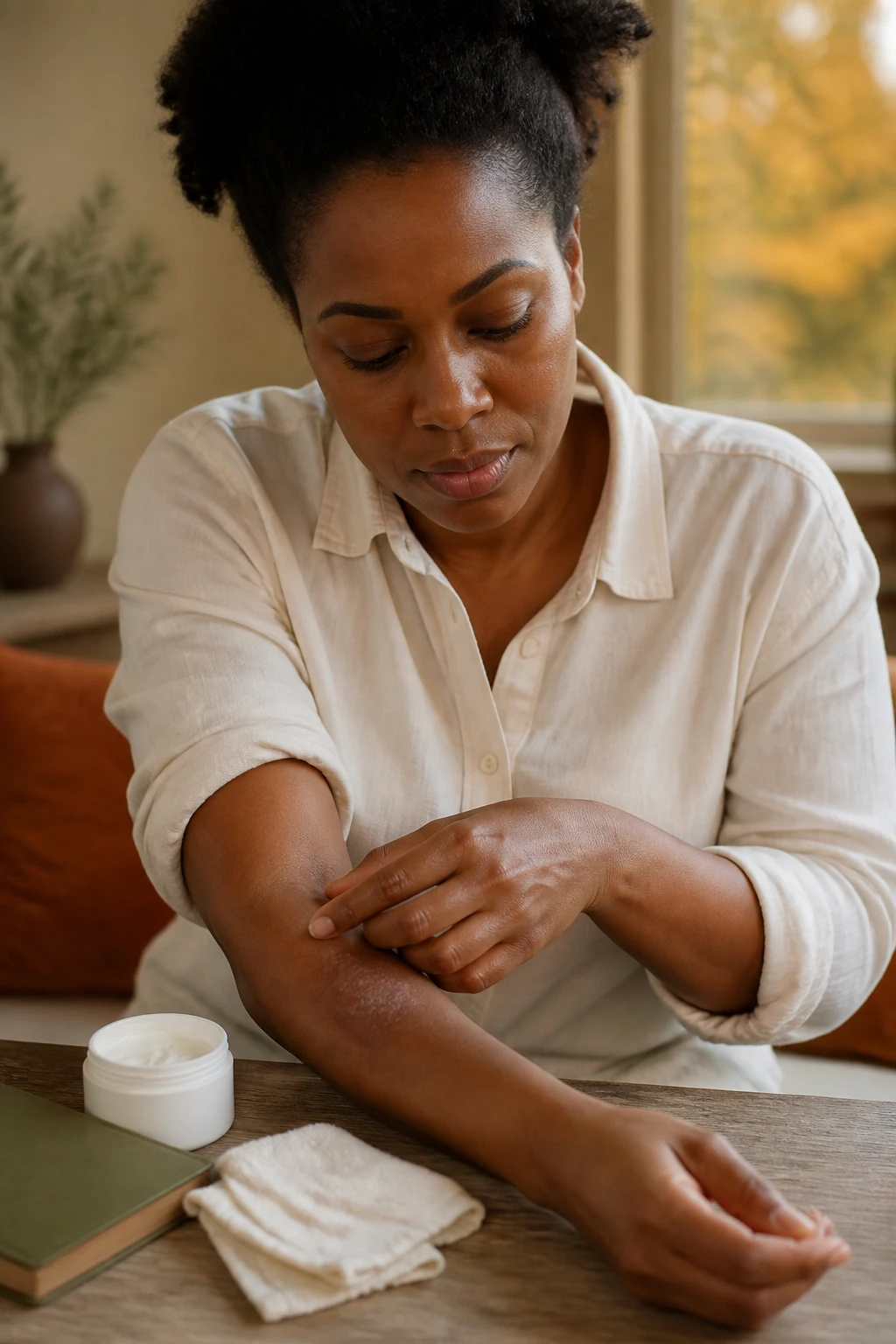
Inflammation does not always appear bright red on dark skin. Eczema and other rashes may look dark brown, purple, grayish, or darker than the surrounding skin. Small rough bumps, scaling, warmth, swelling, itching, and changes in texture may be more noticeable than redness.
Watch for:
- Persistent itching
- Dry, scaly patches
- Gray, violet-brown, or dark areas
- Thickened or leathery texture
- Warmth or swelling
- Cracking
- Oozing or crusting
- Skin becoming lighter or darker after healing
Do not assume that every dark or ashy patch only needs more lotion. Persistent dryness may be eczema, psoriasis, ichthyosis, or another condition that requires professional care.
Yellow or golden crusting, pus, increasing pain, or spreading warmth can indicate infection and should be medically assessed.
Helpful Ingredients for Dark Skin in Fall
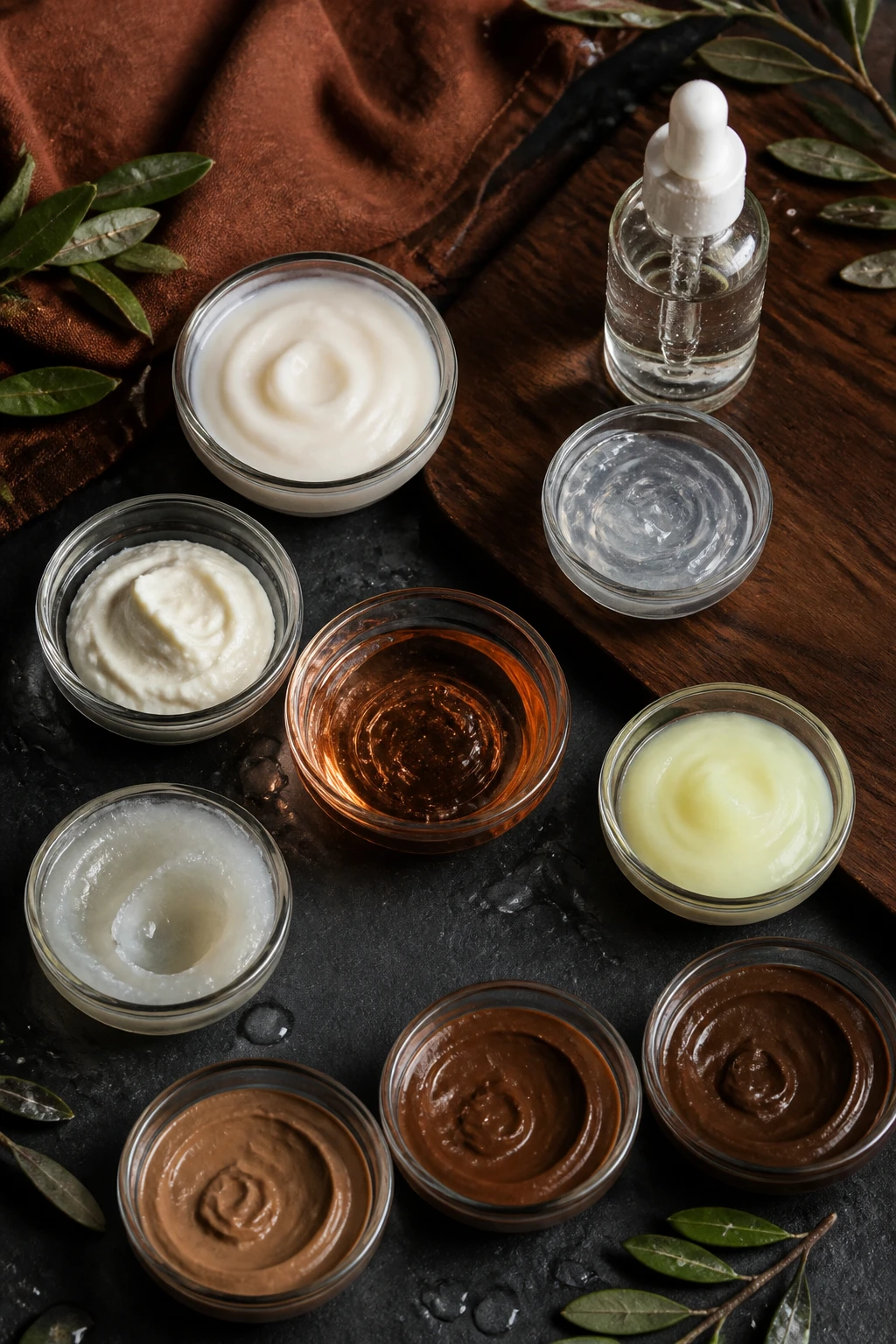
Ceramides
Ceramides support the skin barrier and can help reduce visible dryness and ashiness in melanin-rich skin.
Glycerin and Hyaluronic Acid
These humectants attract water and work best when followed by a moisturizer that helps hold the water in the skin.
Petrolatum
Petrolatum traps existing moisture and can be useful on dry lips, hands, heels, elbows, and small flaky areas. Apply it to damp skin or over a moisturizer.
Azelaic Acid
Azelaic acid can be useful for acne and post-acne discoloration. It is often a practical choice when you want to address both concerns with one ingredient.
Vitamin C
Vitamin C may help improve the appearance of existing dark spots and can be used as an optional morning antioxidant.
Retinoids
Retinoids can unclog pores, treat acne, prevent new breakouts, and help fade discoloration. Introduce them slowly because irritation can worsen dark marks.
Iron Oxides
Iron oxides are found in tinted sunscreen and help protect against visible light, which can worsen hyperpigmentation in darker skin tones.
Fall Skincare Mistakes to Avoid on Dark Skin

Avoid these common mistakes:
- Skipping sunscreen because dark skin rarely burns
- Choosing sunscreen only by SPF while ignoring white cast and visible-light protection
- Scrubbing dark marks
- Popping pimples
- Treating discoloration without treating the acne or rash causing it
- Using several brightening acids together
- Applying unknown skin-lightening mixtures
- Covering acne with heavy, pore-clogging makeup
- Using facial oils or hair pomades that repeatedly clog the hairline
- Assuming every rash must appear bright red
- Using at-home peels or lasers without professional guidance
- Expecting dark marks to disappear within a few days
Gentle care is not too weak for dark skin. It is often the safer way to prevent the inflammation that creates new spots and uneven tone.
When to See a Dermatologist
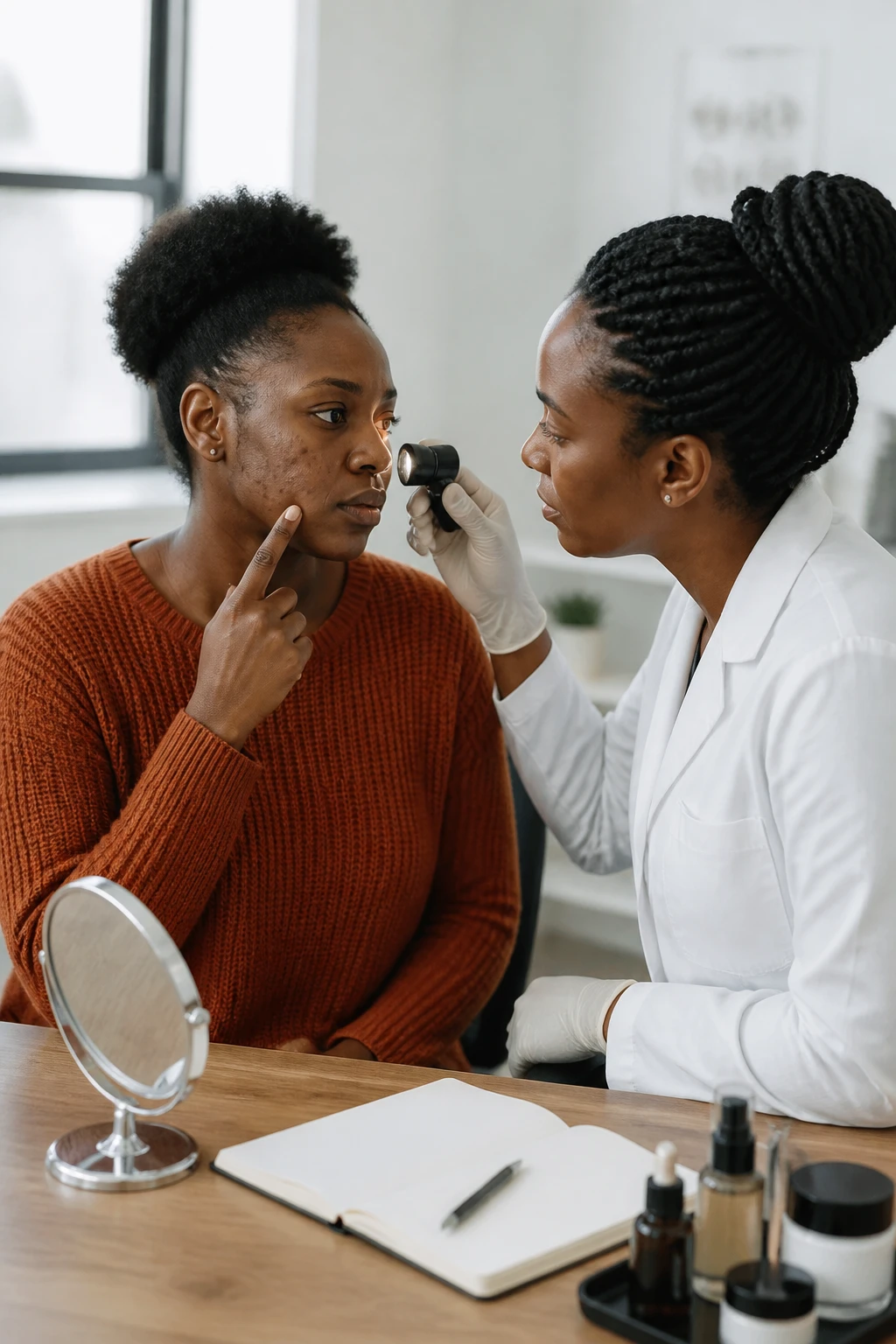
Arrange an appointment when you have:
- Deep or painful acne
- Raised or growing scars
- Dark spots that continue to spread
- Persistent itching or scaling
- A rash that appears purple, gray, or very dark
- Repeated cracking or bleeding
- Burning from basic skincare products
- Sudden light patches
- Oozing, crusting, warmth, or swelling
- Dryness that does not improve with regular care
- Discoloration that causes distress or affects your confidence
A dermatologist experienced in treating skin of color can help choose treatments and procedures with a lower risk of unwanted darkening, light spots, or scarring.
Keep Your Fall Routine Gentle and Consistent
The ultimate fall skincare routine for dark skin should protect your complexion rather than constantly challenge it. Begin with gentle cleansing, a moisturizer suited to your skin type, and tinted broad-spectrum sunscreen with iron oxide.
Add one treatment at a time for acne, dark spots, dryness, or texture. Give it enough time to work, and reduce it when your skin becomes irritated.
Your goal is not to make your natural skin tone lighter or remove every mark immediately. It is to keep your skin comfortable, control inflammation, prevent new discoloration, and allow your complexion to look healthy in its natural tone.