


Table of Contents Show
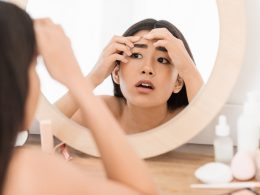
Let’s be straight about this—cystic acne is in a league of its own. Those deep, painful, under-the-skin lumps that don’t come to a head and linger for weeks aren’t just a surface issue. They can feel throbbing, affect your confidence deeply, and often don’t respond to the spot treatments that work on other pimples.
If you’re dealing with these, you know it’s more than a minor annoyance. The most important thing to understand is that because cystic acne forms deep within the skin, effective treatment almost always requires a professional strategy.
But that doesn’t mean you’re powerless. There is a clear, effective path forward that combines professional care with smart, supportive at-home habits.
What Is Cystic Acne, Really?
Imagine a regular pimple, but instead of forming near the surface, it starts deep within your oil glands and hair follicles. A severe inflammatory reaction causes a large, painful, fluid-filled cyst to form. These are not clogs you can simply extract.
Key traits:
- Deep, painful, and inflamed lumps beneath the skin.
- No visible “head”—they’re closed over.
- Long-lasting, often for weeks or even months.
- High risk of scarring due to the depth of the inflammation.
Why Do I Get It?
The causes are usually internal and complex:
- Hormonal Fluctuations: This is a primary driver, especially in adults. Androgens (hormones) can over-stimulate oil glands and increase inflammation.
- Genetics: If your parents had severe acne, you’re more prone to it.
- Bacteria & Inflammation: C. acnes bacteria gets trapped deep, causing a major inflammatory response.

Your Effective Action Plan: Professional Help is Step 1
This is not the time to experiment with over-the-counter products alone. Your first and most effective step is to see a board-certified dermatologist.
What a Dermatologist Can Prescribe (The Real Solutions):
1. Oral Medications:
- Isotretinoin (formerly Accutane): The most effective treatment for severe, stubborn cystic acne. It shrinks oil glands, drastically reduces oil production, and prevents scarring. It’s a serious commitment with monitoring required, but often provides long-term remission.
- Oral Antibiotics: Like doxycycline or minocycline. They fight bacteria and reduce inflammation from the inside out, usually used for a short-term course.
- Hormonal Therapies: For women, options like oral contraceptives or spironolactone can block the androgens that trigger cystic breakouts.
2. Prescription-Strength Topicals:
- Retinoids: Tretinoin or Tazarotene are much stronger than retinol. They help prevent the initial plug that can lead to cysts.
- Dapsone Gel: Redcomes inflammation.
- Azelaic Acid: Fights bacteria and reduces inflammation.
3. In-Office Procedures:
- Cortisone Injections: A dermatologist can inject a diluted corticosteroid directly into a cyst. This is the fastest way to reduce pain and inflammation, often flattening it within 24-48 hours and preventing scarring.
- Intralesional Drainage: Carefully draining a large cyst to relieve pressure.
- Chemical Peels or Laser Therapy: To treat active acne and improve the appearance of scars.
Your Supportive At-Home Care (While Under Professional Care)
While you work with your derm, these habits support treatment and prevent making it worse.
- Cleanse Gently: Use a mild, non-abrasive cleanser twice daily. Harsh scrubbing will worsen inflammation.
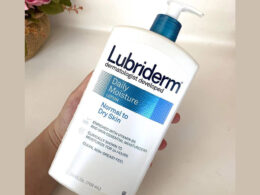
- Moisturize: Use a simple, oil-free, non-comedogenic moisturizer. Keeping your skin barrier intact is crucial, especially if using strong prescriptions.
- Spot Treat with Caution: Only use what your derm approves. Benzoyl peroxide (5% wash or cream) can help kill surface bacteria, but may be too drying with prescriptions.
- Use Ice: For immediate pain and swelling, wrap an ice cube in a paper towel and hold it on the cyst for 3-5 minutes. This can temporarily reduce inflammation.
- Sunscreen Daily: This is non-negotiable. Many acne medications increase sun sensitivity. Use a lightweight, oil-free SPF 30+.

What You MUST NOT Do
- DO NOT, UNDER ANY CIRCUMSTANCES, TRY TO POP IT. You will force bacteria and inflammation deeper, guarantee a worse infection, significantly increase healing time, and make severe scarring almost certain.
- Don’t Use Harsh Scrubs, Brushes, or Drying Alcohol Toners. Inflammation is the enemy; don’t aggravate it.
- Avoid Heavy, Pore-Clogging Makeup & Products. Look for “non-comedogenic” and mineral-based formulas.
- Don’t Self-Prescribe. High-dose supplements or DIY “detoxes” can backfire and disrupt hormones further.
Lifestyle Factors That Support Treatment
- Manage Stress: High cortisol can worsen inflammation. Find healthy outlets (walking, meditation, adequate sleep).
- Clean Your Phone & Pillowcases: Reduce bacteria transfer.
- Be Patient with Your Diet: While not a direct cause for everyone, some find dairy or high-sugar foods can be a trigger. Keeping a food/symptom diary can help identify personal patterns.
The Honest Truth
Effectively getting rid of cystic acne means accepting that it’s a medical condition, not a skincare mishap. The most powerful and effective thing you can do is partner with a dermatologist.
They have the tools—like isotretinoin, spironolactone, and cortisone injections—that actually work on this deep, inflammatory problem.
Your role is to seek that expert help, follow their plan diligently, and support your skin with extreme gentleness.
It’s a journey that requires patience, but with the right medical strategy, clear skin is an achievable reality. Take that first step and make the appointment.