Table of Contents Show
You might look at the skin on your arms or legs and notice it’s covered with little dark dots or rough, bumpy patches. It doesn’t feel smooth, and in certain light, it really does look like the surface of a strawberry.
This “strawberry skin” can make you feel like you want to cover up, even when it’s hot out. It’s not painful or dangerous, but it can be a real annoyance.
The good news? It’s a common condition with a straightforward cause, and you can smooth things out significantly with a simple, consistent routine you can do right at home.
What Is Strawberry Skin, Really?
Let’s clear up the mystery. Those little dots aren’t dirt, and they’re not necessarily ingrown hairs.
Strawberry skin—technically called keratosis pilaris (KP)—happens when your skin produces too much of a protein called keratin.
This excess keratin forms a tiny, hard plug that traps a hair follicle inside a pore. The dark dot you see is sometimes a curled-up hair or a bit of melanin (pigment) trapped under the plug. It’s essentially a very common, harmless buildup in your hair follicles.

Why Do I Have It?
A few key factors are usually at play:
1. It’s Largely Genetic
If your parents have it, you’re more likely to have it too. It often runs in families.
2. Dry Skin Makes It Worse
KP almost always flares up when your skin is dry. It’s most common in winter or in dry climates.
3. It’s a Lifelong Companion (But Manageable)
There’s no permanent “cure” for the genetic tendency, but you can manage it so well that it becomes virtually invisible. It also often improves with age.
Your Simple At-Home Smoothing Routine
The goal is to gently exfoliate the plugs and drench your skin in moisture. Consistency is your secret weapon—do this routine 3-4 times a week.
Step 1: Gentle Physical Exfoliation
This helps manually lift away the rough, bumpy surface.
- Use a Soft Brush or Scrub: In the shower, use a dry brush on dry skin before you get in, or use a gentle exfoliating glove or cream-based scrub on wet skin. Be kind—you’re polishing, not sanding. Circular motions work best.
- Skip the Harsh Loofahs: Avoid anything too rough that can cause micro-tears and irritation, which can make the bumps look redder.
Step 2: Chemical Exfoliation is Your Best Friend
This is the most important step. Chemical exfoliants dissolve the “glue” holding the keratin plugs together.
- Look for AHAs and BHAs: After showering, apply a product containing Lactic Acid, Glycolic Acid (AHAs), or Salicylic Acid (BHA). These ingredients work to gently dissolve the plugs over time.
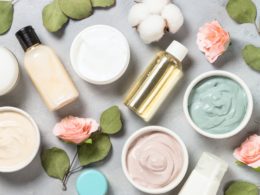
- Easy Product Swaps: Use a moisturizing body wash with lactic acid or a dedicated AHA/BHA body lotion. An affordable and effective option is AmLactin or CeraVe SA Lotion, which contain these acids.
Step 3: Lock in Massive Moisture
This softens the skin and prevents the keratin from hardening into plugs.
- Apply Moisturizer on Damp Skin: Within 3 minutes of patting yourself dry, slather on a thick, fragrance-free cream or ointment. Look for ingredients like Ceramides, Urea, Shea Butter, or Glycerin.
- The Ointment Boost: For stubborn areas, after your cream, seal it in with a thin layer of plain petroleum jelly. This locks every drop of moisture in.
What to Avoid Making It Worse
1. Don’t Pick or Scratch
Picking at the bumps can lead to scarring, infection, or post-inflammatory dark spots that are harder to fade than the KP itself.
2. Avoid Long, Hot Showers
Hot water strips your skin’s natural oils, leading to more dryness. Opt for lukewarm water.
3. Skip Drying Soaps
Harsh, fragrant bar soaps can be very drying. Stick to gentle, creamy, or acid-based body washes.
Quick Tips for Special Occasions
Need your skin to look smooth for a day?
- Give Yourself a Shave: Shaving the area provides light physical exfoliation and removes the trapped hair, making the dots less visible instantly.
- Use a Temporary Blur: A body lotion with a slight self-tanner or a tinted moisturizer can help even out the skin tone and make the dots less noticeable.
When to Talk to a Dermatologist
If your strawberry skin is very inflamed, itchy, or doesn’t respond to consistent home care after 2-3 months, a dermatologist can help. They can prescribe stronger prescription creams (like retinoids) that can be more effective.
The Bottom Line
Getting rid of strawberry skin at home is all about working with your skin, not against it. It’s a gentle, two-part promise: exfoliate the bumps away with chemical help, and then smother your skin in moisture to keep them from coming back.
Be patient and stick with your routine. You won’t change your genetics, but you can absolutely change your skin’s texture, making it feel soft, smooth, and confident to show off.