



Table of Contents Show
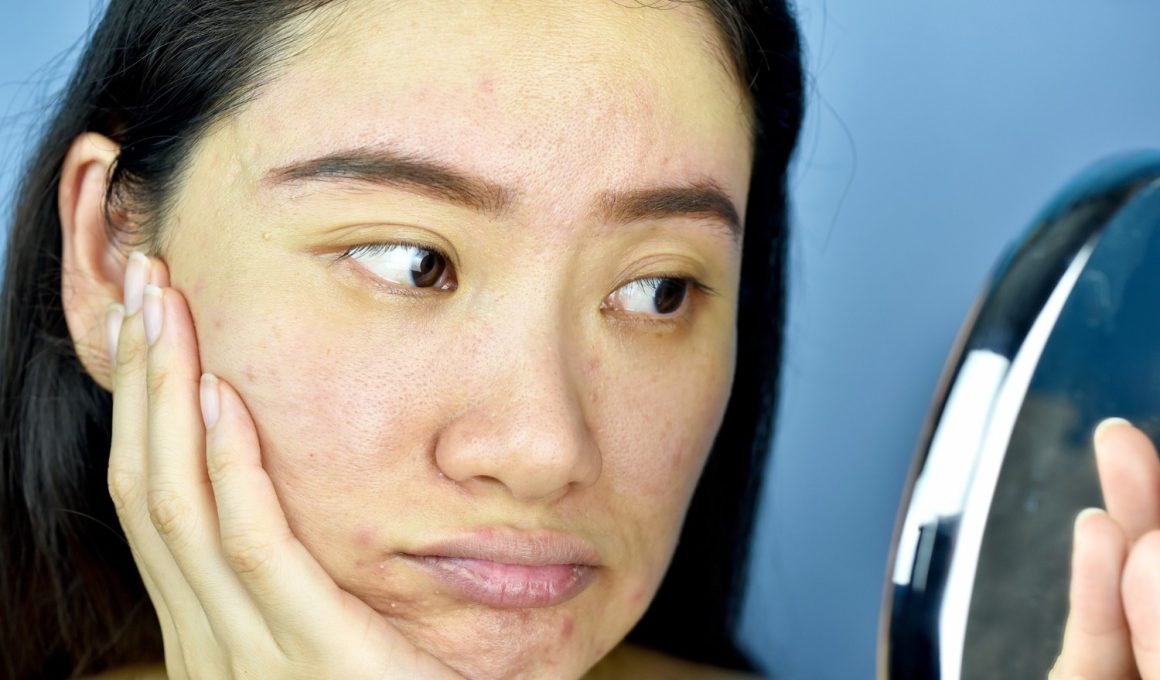
That feeling when your skin looks bumpy, feels rough, and just doesn’t seem clean no matter how much you wash it—it’s likely clogged pores. They’re not always blackheads or whiteheads; sometimes they’re just tiny, flesh-colored bumps that make your texture uneven.
It can be tempting to go at them with your fingers or a tool, but that usually leads to redness and makes things worse. The good news is, you have more power than you think to clear them up on your own.
With a consistent, gentle routine focused on the right techniques, you can effectively unclog your pores and keep them clear.
What Are Clogged Pores, Really?
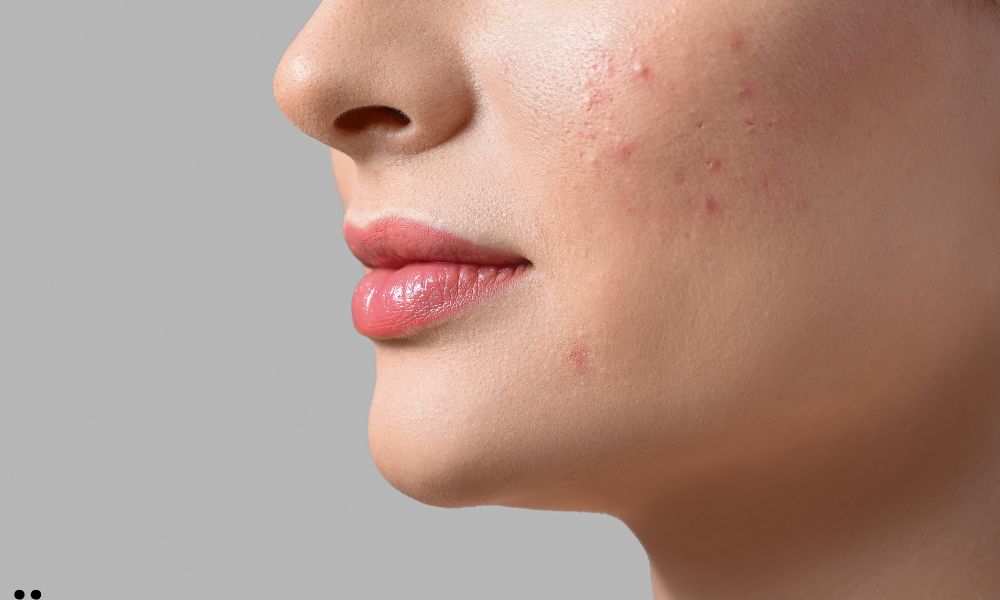
Think of your pores as tiny tunnels. At the bottom, they produce oil (sebum) to keep your skin soft. A clog happens when that oil, mixed with dead skin cells and sometimes bacteria, gets stuck in the tunnel.
If the top of the pore stays open, it oxidizes and turns dark (a blackhead). If it’s covered by a thin layer of skin, it stays flesh-colored (a whitehead or closed comedone). Your goal is to keep these tunnels clear of traffic jams.
Why Do My Pores Keep Getting Clogged?
A few everyday things are usually to blame:
- Excess Oil Production: Your skin may naturally produce more sebum, especially if it’s oily or combination.
- Dead Skin Cell Buildup: If skin cells don’t shed properly, they stick around and mix with oil.
- The Wrong Products: Heavy, thick moisturizers, foundations, or sunscreens can block pores. Look for “non-comedogenic” on labels.
- Not Cleansing Thoroughly: Leaving makeup, sunscreen, and daily pollution on your skin gives it more material to clog pores with.
- Sweat and Humidity: Sweat can mix with oils and sit on your skin, especially under makeup or hats.
Your At-Home, Step-by-Step Declogging Routine
This is a gentle, consistent process. Patience is key—you’re clearing existing clogs and preventing new ones.
Step 1: Cleanse to Remove the Surface Layer
Do this twice a day, but be gentle.
- Use a Salicylic Acid Cleanser: This is your #1 tool. Salicylic Acid (a BHA) is oil-soluble, meaning it can get inside your pores to dissolve the oil and dead skin mix. Massage it onto damp skin for a full 60 seconds, then rinse.
- Double Cleanse at Night: If you wear makeup or sunscreen, start with a cleansing oil or balm. This breaks down and lifts away the waterproof stuff. Follow immediately with your salicylic acid cleanser. This ensures you start your treatment on a truly clean surface.
Step 2: Exfoliate to Clear the Clogs
This is your active treatment step, done 2-3 times a week.
- Chemical Exfoliation Only: Ditch harsh scrubs. They cause micro-tears and irritation.
- BHA (Salicylic Acid): Your superstar. Use a leave-on toner, serum, or pad after cleansing. It continues working inside the pore.
- AHA (like Glycolic or Lactic Acid): Helps dissolve the “glue” holding dead skin cells together on the surface, preventing them from falling into pores.
Step 3: Use a Pore-Drawing Treatment Weekly
- Clay Masks are Magic: Once a week, apply a mask with kaolin or bentonite clay to oily or bumpy areas. As it dries, it gently draws out impurities and excess oil from within the pores. You’ll see a visible difference right after.
Step 4: Moisturize and Protect (Non-Negotiable)
- Use an Oil-Free, Non-Comedogenic Moisturizer: Hydrated skin is balanced skin. If you strip it dry, it may overproduce oil to compensate, leading to more clogs. A light gel-cream is perfect.
- Sunscreen Every Single Morning: Sun damage thickens the skin and weakens collagen, which can make pores sag and appear larger—and more prone to clogging. Use a lightweight SPF 30+.
What You MUST Avoid Doing By Yourself
Your instincts might lead you astray here. Avoid these at all costs.
- Do NOT Squeeze or Use Extraction Tools: You risk pushing debris deeper, rupturing the pore wall, causing severe inflammation, and creating a scar. Leave deep, painful clogs to a professional.
- Skip the Pore Strips: They only remove the very top of a blackhead and can damage the delicate pore lining, making it worse over time.
- Don’t Over-Exfoliate: Using acids or scrubs every day will wreck your skin’s protective barrier, leading to irritation, dryness, and even more oil production.
- Avoid Heavy Oils and Butters on Clog-Prone Areas: Be cautious with thick coconut oil, shea butter, or pore-clogging primers.
A Safe Way to Help a Clog Along
If a clog is very visible at the surface and has a slight head, you can try this gentle method:
- Steam your face over warm water for 2-3 minutes to soften the skin.
- Wrap your fingers in a clean tissue.
- Apply gentle, downward pressure on either side of the pore, not on top. If it doesn’t release with one try, stop immediately. It’s not ready.
- Immediately apply a salicylic acid treatment or a pimple patch to soothe the area.
When It’s Time to Call a Professional
If you have deep, painful, or numerous clogs that don’t respond to 6-8 weeks of consistent home care, see an esthetician or dermatologist. They can perform safe, sterile extractions and offer stronger treatments like professional chemical peels.
The Bottom Line
Getting rid of clogged pores by yourself is entirely possible with discipline and the right approach. It’s not about aggressive attacks, but about consistent, gentle care: clean deeply with the right cleanser, exfoliate smartly with BHAs, draw out impurities weekly with clay, and always protect and hydrate your skin.
Be patient, resist the urge to pick, and trust the process. Your clearer, smoother skin will thank you.